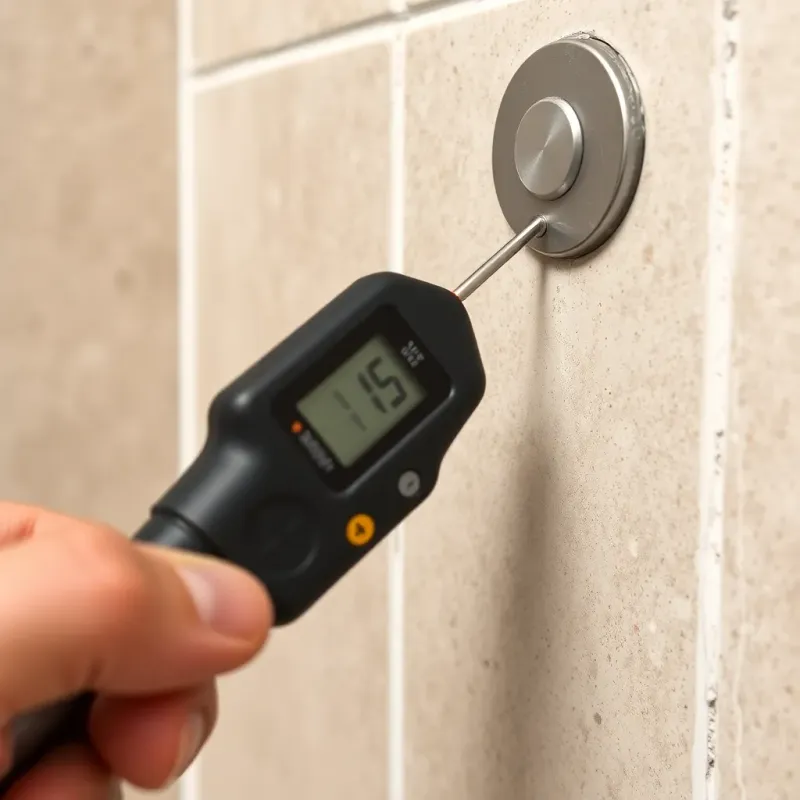
What to Do When Your Basement Floods: Emergency Action Plan
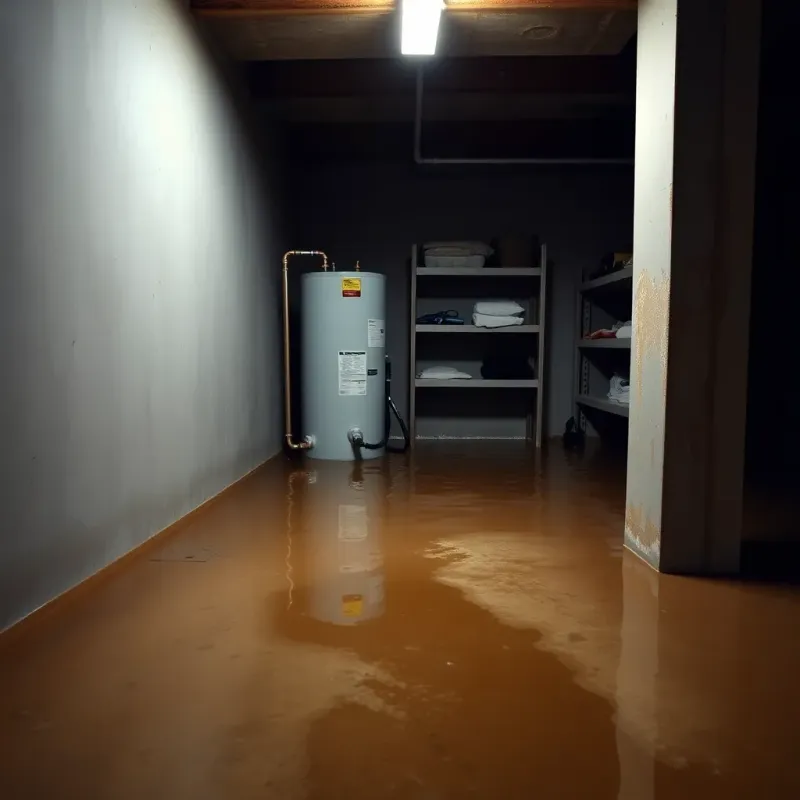
I still remember the first time I got an emergency call from a homeowner with a flooded basement. It was 2 a.m. on a Saturday, the homeowner was panicking, and by the time I arrived, the water was already six inches deep and rising. That experience taught me something I’ve carried with me ever since: what you do in those first few hours determines everything. The homeowners who act fast and stay calm recover. The ones who freeze or wait until morning? They end up with mold problems, structural damage, and repair bills that could have been cut in half.
I’ve responded to more basement floods than I can count at this point, and I promise you—this action plan works. Every step is designed to prioritize your safety, minimize damage, and preserve the evidence you’ll need for insurance claims. If you’re reading this with water in your basement right now, skip ahead to the safety section and start there. Time is your most valuable resource.
Key Takeaway: The first 24-48 hours after a basement flood are critical. Removing water and starting the drying process immediately can prevent mold growth and save you thousands in additional remediation costs—every hour of delay increases the damage.
Immediate Safety Steps: Act First, Document Later
Safety always comes first. Before doing anything else, ensure you and your family are safe. If water is rising rapidly or you feel unsafe in any way, evacuate immediately and call emergency services.
Check for live electrical hazards. If floodwater has reached electrical outlets, breakers, or appliances, do not enter the basement. Turn off electricity at the main breaker if you can do so safely without wading through water. Wet conditions and electrical current create life-threatening hazards.
Watch for contaminated water. If water is coming from the sewer system, storm drains, or other non-clean sources, it may contain harmful bacteria, sewage, and chemicals. Wear protective equipment—waterproof gloves, boots, eye protection, and an N95 mask—before touching contaminated water or contaminated items.
Do not let children or pets enter flooded areas. Floodwater can contain sharp objects, chemicals, or contamination invisible to the naked eye. Keep family members away from affected areas until professionals have assessed safety and begun remediation.
Step 1: Turn Off Electricity and Gas Immediately
Turning off electricity is your first priority after ensuring personal safety. Water conducts electricity, making wet basements extremely hazardous. A single contact with energized water can be fatal.
If you can safely reach your main electrical breaker without wading through water, turn it off now. If accessing the breaker requires entering floodwater, don’t risk it—call your electric utility and request an emergency technician to cut power at the meter. Most utilities respond to emergency power-off requests within hours.
Identify your natural gas shut-off valve and turn it off if gas odors are present or if your gas water heater is submerged. Natural gas is extremely hazardous in flooded conditions. Shut-off valves are typically located where the gas line enters your home. Turn the valve perpendicular to the pipe to shut off gas. Do not attempt to relight pilot lights or restart gas appliances until a technician confirms it’s safe.
Leave breakers and gas valves in the off position until professionals have assessed the situation. Do not restore power until the basement is dry and electricians have inspected wiring and outlets for safety.
Step 2: Stop the Water Source Immediately
Identify where water is entering your basement and stop it if possible. This critical step prevents additional water from pouring in and limits the flood’s scope.
If water is coming from a burst pipe, locate your main water shut-off valve and turn it off immediately. This valve is typically located where water enters your home from the street—check your basement wall nearest the street side or under your kitchen sink. Turning off the main water supply stops the leak and prevents additional damage.
If water is seeping through foundation cracks or walls due to hydrostatic pressure outside, you’ll need professional intervention. In this case, focus on water removal and drying rather than stopping the source, as you can’t prevent external pressure from outside your foundation.
If water is backing up from drains or toilets, the problem likely originates in your sewer line or municipal system. Do not use plumbing fixtures until the backup is resolved. Contact your municipal sewer department and a licensed plumber to assess the situation.
Document how water entered your home—this information is crucial for insurance claims and prevents future occurrences. Take photos of the entry point, water marks, and any visible damage caused by the incoming water flow.
Pro tip from experience: Before you turn off the water main, take a quick 30-second video of where the water is coming from. I’ve seen so many homeowners rush to stop the water (which is good instinct) but then can’t show their insurance adjuster the exact source of the leak later. That video is worth its weight in gold when it comes time to file your claim.
Step 3: Document Everything for Your Insurance Claim
Before removing anything or beginning cleanup, document all damage thoroughly. Insurance companies make settlement decisions based on photographic evidence and detailed descriptions. This documentation also helps you remember what was damaged once emotions settle.
Take wide photos and videos showing water levels, affected areas, and the overall scope of flooding. Capture close-ups of damaged items, water marks on walls and floors, and any structural damage visible. Include photos of your inventory before touching anything—these images prove what you lost.
Video walk-throughs are particularly valuable—they establish the full scope of damage and show water depth in different areas. Narrate as you film: “Water reached this high on the wall in the storage area” or “The finished basement’s carpet is completely saturated.” These narrations provide context that still photos alone cannot.
Follow our complete guide on how to document water damage for insurance for best practices. Write detailed notes describing each damaged item: what it was, its approximate original cost, and current condition. Create a room-by-room inventory noting which items were damaged and which were salvaged. This inventory becomes essential when filing your insurance claim and negotiating settlements.
Photograph valuable or irreplaceable items before removal. If items are damaged beyond recognition, you’ll need photos proving what they were and their condition. This is especially important for antiques, collectibles, or items with sentimental value that aren’t easily replaced.
Step 4: Remove Water as Quickly as Possible
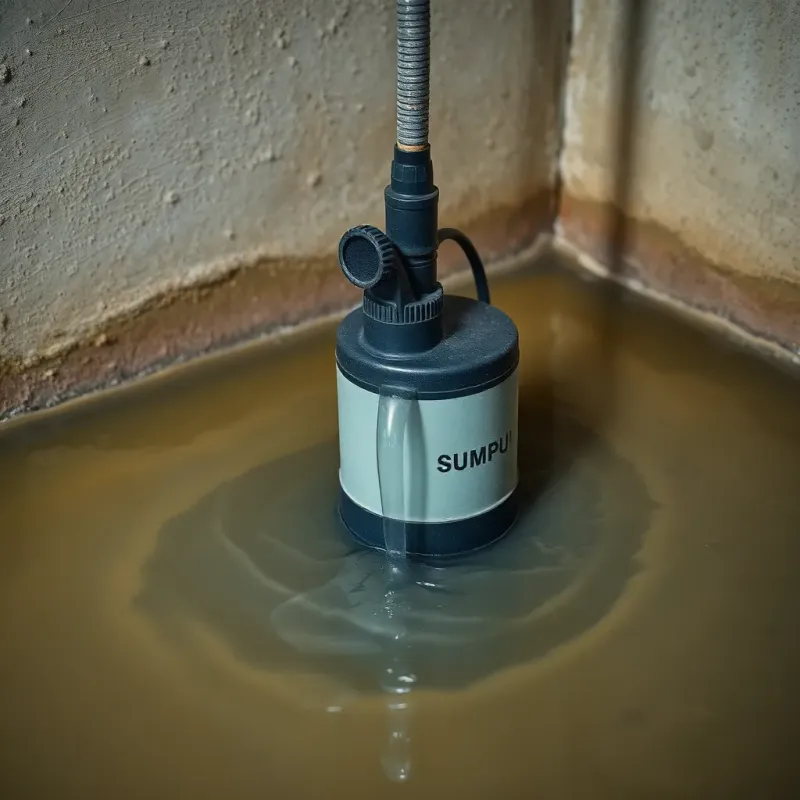
Standing water causes mold growth, structural damage, and health hazards. The longer water sits, the more expensive remediation becomes. Begin water removal within hours of the flood, not days.
Submersible pumps are the fastest method for removing large volumes of water. Rental companies provide industrial-grade pumps for $50-200 per day. For significant flooding, a pump that removes hundreds of gallons per hour pays for itself by preventing mold remediation costs. Run a discharge hose from the pump away from your foundation to prevent water from re-entering.
Wet vacuums work well for smaller amounts of water or water in areas where pumps won’t fit. Wet vacs are available at tool rental shops for $25-75 per day. While slower than pumps, wet vacs are effective for cleanup work after bulk water removal.
Professional water extraction services are often the best option for significant flooding. Professional-grade equipment removes water 10-20 times faster than rental equipment. Companies charge $500-2,000 depending on water volume and accessibility. Many homeowners find the speed and effectiveness justify the cost, especially considering mold prevention benefits.
Drain any water from window wells, which can hold hundreds of gallons against basement walls. Move this water away from your foundation to prevent re-saturation of the soil and foundation cracks.
Document your water removal efforts with photos showing pumps operating, water discharge, and the decreasing water level. These photos demonstrate that you took reasonable mitigation steps, which supports your insurance claim and protects the insurer’s interests (as required by most policies).
Step 5: Begin the Drying Process Immediately
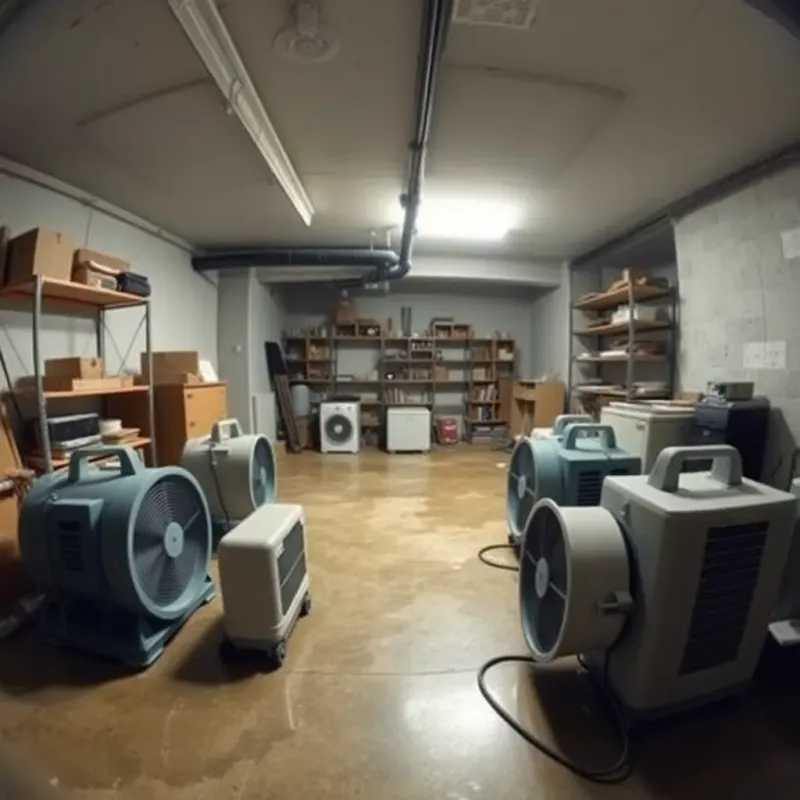
Once standing water is removed, begin drying the basement immediately. Moisture in walls, floor structures, and materials must be eliminated within 24-48 hours to prevent mold growth. Mold can cause serious health problems and is extremely expensive to remediate.
Remove water-saturated materials that cannot be dried. Carpet padding absorbs water and cannot be effectively dried—it must be removed and replaced. Drywall that’s been saturated for more than 24 hours should be removed from the bottom 12-18 inches of walls (depending on water height) because it cannot be dried adequately. Insulation that’s absorbed water must be replaced with new material.
Maximize air circulation. Open basement windows to allow outside air to enter (if weather permits). Place fans throughout the basement to circulate air and speed drying. Box fans, pedestal fans, and portable air movers all help. Position fans to direct air toward walls and floors where moisture concentration is highest.
Run dehumidifiers continuously. Dehumidifiers extract moisture from the air, which speeds drying and prevents mold growth. Rent or purchase industrial-grade dehumidifiers (rated for large spaces) rather than household units. Run dehumidifiers 24/7 until humidity levels drop below 50% (use a hygrometer to measure).
Use moisture meters to monitor progress. Professionals use moisture meters to determine when materials are dry enough to safely close walls or install new materials. Moisture levels above 15-20% in wood create risk of mold growth. Measure progress daily to confirm drying is occurring.
One thing I always tell homeowners is: don’t trust your nose or your hands to tell you when things are dry. I’ve checked basements that felt bone-dry to the touch but still had 30%+ moisture readings behind the walls. A $30 moisture meter rental from your hardware store is the best investment you can make during the drying process.
Monitor for mold growth closely. Within 24-48 hours, mold can begin growing on any surface. Watch for fuzzy growth, musty odors, or discoloration appearing on walls, floors, or stored items. If visible mold appears, stop DIY efforts and call professional mold remediation specialists—improper handling can spread mold throughout your home.
Step 6: Prevent Mold Growth Within 24-48 Hours
Mold prevention is your most important priority after water removal. Mold causes serious health problems, triggers insurance claim complications, and multiplies remediation costs exponentially. Within 24-48 hours of flooding, mold spores can germinate and begin colonizing affected materials.
Speed is essential: The difference between mold-free and mold-infested basements is often measured in hours, not days. Begin drying immediately—every hour counts. If you’re unable to dedicate yourself to continuous drying efforts, hire professionals to ensure the work gets done quickly.
Remove all contaminated materials aggressively. If drywall was submerged, remove it. If carpet is waterlogged, remove it. If insulation absorbed water, replace it. Being aggressive now prevents mold problems later. Each layer of contaminated material that dries properly reduces mold risk substantially.
Apply antimicrobial treatments after water removal. Professional-grade antimicrobials prevent mold growth during the drying process. These treatments are typically applied to walls, floors, and wood framing after water removal. They’re not replacements for actual drying, but they provide additional protection during the critical 24-48 hour window.
Maintain humidity below 50%. Mold needs moisture to grow. Keeping humidity low with dehumidifiers and air circulation prevents mold colonization. Monitor humidity continuously with hygrometers placed throughout the basement. If humidity rises above 50%, increase dehumidifier capacity or add more units.
Apply bleach solutions only to non-porous surfaces. Do not use bleach on porous materials like drywall, carpet, or wood—it doesn’t penetrate deeply enough to prevent mold and can damage materials. Bleach works on tile, concrete, and other hard surfaces. Focus bleach application to areas where mold is most likely to grow: wall bases, concrete floors, and structural elements.
Avoid creating more moisture through cooking or showers. Moisture from daily activities worsens baseline humidity levels during the drying process. If possible, avoid cooking with high-moisture methods and take showers elsewhere until the basement is fully dried.
Step 7: Hire Professionals for Water Removal if Needed
While many homeowners attempt DIY water removal, professional help is often warranted—especially for large floods or contaminated water.
When to call professionals immediately:
- Water volume exceeds what you can remove with rental equipment in 24 hours
- Water is contaminated (sewage, sewer backup, chemical contamination)
- Water damage has affected more than one story of your home
- You have health concerns (asthma, immunocompromised, elderly family members)
- You lack time or physical ability to manage removal yourself
- Water has been standing for more than 12 hours already
Professional water removal companies use industrial-grade equipment and trained technicians. They typically complete water removal in 24-48 hours that might take homeowners a week. They also immediately begin moisture assessment and drying, preventing mold growth.
Licensed restoration companies provide additional value beyond water removal—they handle documentation for insurance claims, monitor humidity, and coordinate remediation work. Many restoration companies are certified by the Institute of Inspection Cleaning and Restoration Certification (IICRC), which means they follow industry standards and best practices.
Request detailed estimates from at least two companies. Estimates should include water removal, equipment rental costs, drying timeline, and mold prevention measures. Ask whether the company is licensed, bonded, and insured. Verify their IICRC certification if available.
Step 8: What to Do with Damaged Items and Materials
Deciding what to save and what to discard requires careful judgment. Generally, if items have been underwater for more than 24-48 hours, they’re at high mold risk and may not be salvageable.
Items that can usually be salvaged:
- Electronics: Dry thoroughly and have professional cleaning before attempting to use
- Books and documents: Remove from water, separate pages, air dry completely
- Wooden furniture: Dry slowly and monitor carefully for mold
- Clothing: Wash, dry thoroughly, monitor for odor or discoloration
- Metal items: Clean, dry completely to prevent rust
Items that typically must be discarded:
- Carpet and padding (cannot be reliably dried to prevent mold)
- Drywall and insulation (too porous, mold penetrates deeply)
- Mattresses and upholstered furniture (absorb water throughout, difficult to dry completely)
- Contaminated food items (safety hazard if exposed to sewage or questionable water)
- Unsealed wood items stored on basement floors
Take detailed photos of items you’re discarding—these photos support insurance claims by documenting what was lost. Create a list of discarded items with descriptions and estimated replacement values.
Understanding the Drying Timeline and Costs
Drying timelines depend on several factors:
- Initial water volume and depth
- Climate and humidity conditions
- Air circulation and dehumidifier capacity
- Materials that need drying (concrete dries faster than wood)
A typical small basement flood can be dried in 7-14 days with adequate equipment and effort. Larger floods or complex situations may take 3-4 weeks. Until humidity readings confirm complete dryness, continue running dehumidifiers and fans.
Expected costs for professional intervention:
Water removal by professionals: $500-$2,000 depending on volume Equipment rental (pumps, dehumidifiers, fans): $200-$800 per week Professional drying and monitoring: $300-$1,500 depending on scope Drywall and material replacement: $2,000-$10,000+ depending on damage Flooring replacement: $3,000-$15,000+ depending on materials and area
Total costs for significant basement flooding typically range from $5,000-$30,000+. This is why prompt action and professional help can save money—preventing mold remediation (which costs $5,000-$25,000+ for significant infestations) justifies professional water removal investment.
Prevention Tips for Future Flooding
After dealing with basement flooding, take steps to prevent recurrence. The cost of prevention is far less than the cost of remediation.
Review our comprehensive methods to prevent basement flooding for long-term protection. Install a sump pump system if your basement is prone to water seepage. Sump pumps automatically remove water that accumulates in a sump pit, preventing basement saturation. Battery backup sump pumps continue operating during power outages when flooding often occurs.
Seal foundation cracks and gaps. Foundation cracks allow water to seep into basements during heavy rain. Have cracks professionally sealed with hydraulic cement or epoxy injection systems. Professional sealing prevents water infiltration and strengthens your foundation.
Improve exterior drainage. Install gutter extensions to move water away from foundation walls. Grade soil away from your home’s perimeter so water drains away rather than toward the foundation. Clean gutters regularly to ensure water flows properly.
Install a backup pump or secondary system. If one sump pump fails, a backup pump prevents flooding. Secondary systems activate only if the primary pump can’t keep up, providing redundancy and reliability.
Store important items elevated. Keep irreplaceable items and valuables off basement floors. Use shelving at least 12-18 inches above potential flood levels. This prevents damage to items most important to you if flooding recurs despite prevention efforts.
I’ve seen this work time and time again: the homeowners who install a battery-backup sump pump system after their first flood almost never call me back for a second one. It’s a $300-$500 investment that pays for itself the very first time your power goes out during a heavy rainstorm. If you’ve flooded once, please don’t skip this step.
Purchase flood insurance if you’re in a flood-prone area. Standard homeowners insurance doesn’t cover flooding from external sources. Flood insurance is essential protection if your area experiences frequent flooding. Check flood maps to determine your risk level.
When to Call Professionals: Professional Cleanup and Restoration
Professional water damage restoration companies handle cleanup, drying, and restoration work beyond what homeowners can typically manage. They coordinate insurance claims, manage subcontractors, and ensure work meets building codes.
Restoration companies typically handle:
- Water extraction and removal
- Complete drying and humidity monitoring
- Mold assessment and prevention
- Damaged material removal
- Water damage restoration (drywall, flooring, paint)
- Deodorization of affected areas
- Coordination with insurance companies
Licensed restoration companies provide single-point accountability—one company manages all aspects of restoration rather than coordinating separate contractors. This unified approach typically results in faster, more cost-effective restoration.
The cost of professional restoration is justified when damage is significant (covering multiple rooms or structural elements) or when contaminated water is involved. For smaller, localized water damage, some homeowners successfully manage removal and drying independently, reducing costs substantially.
Conclusion
A flooded basement demands immediate action. Those first critical hours determine whether damage remains manageable or becomes a major problem requiring extensive (and expensive) professional remediation. By following this emergency action plan—prioritizing safety, stopping water sources, documenting damage, removing water quickly, and preventing mold—you’ll recover from basement flooding with minimal additional loss.
Remember: speed is your greatest advantage. The faster you remove water and begin drying, the less mold risk you face and the lower your total remediation costs. Don’t delay water removal hoping for DIY success when professional help can complete the work properly in 24-48 hours. Your home’s health and your financial recovery depend on acting decisively in those first critical hours.
Frequently Asked Questions
Q: How quickly can mold grow after basement flooding? A: Mold can begin growing within 24-48 hours of water intrusion. This is why speed is critical—water removal and drying must begin immediately. If your basement remains wet for more than 48 hours without active drying, mold is likely already developing, even if it’s not visible yet.
Q: Should I use bleach to prevent mold after basement flooding? A: Bleach can be used on non-porous surfaces like tile and concrete to prevent surface mold, but it doesn’t penetrate porous materials like drywall and wood effectively. Focus on complete drying with dehumidifiers and fans rather than relying on bleach for mold prevention. Professional antimicrobial treatments are more effective than bleach for porous materials.
Q: Can I dry out carpet after basement flooding, or does it need to be replaced? A: Carpet padding absorbs water deeply and cannot be effectively dried without mold growth. The carpet itself can sometimes be dried and saved, but the padding underneath must be replaced. Many insurance adjusters recommend replacing carpet entirely after flooding because the mold risk in padding is too high. Complete replacement is usually more cost-effective than attempting partial restoration.
Q: What should I do if water is coming from my sewer system? A: Sewer backup water is highly contaminated and creates serious health hazards. Do not contact it directly without protective equipment (gloves, boots, respirator). Call a licensed plumber immediately to assess your sewer line and identify the cause. Your municipal sewer department may also need to be notified if the problem originates in the public sewer system. Professional cleanup is essential for contaminated water.
Q: How long will my basement take to completely dry, and when can I restore damaged areas? A: Complete drying typically takes 1-3 weeks depending on flood severity, humidity levels, and equipment used. Don’t begin restoration (installing new drywall, carpet, insulation) until moisture meter readings confirm materials are dry (below 15-20%). Premature restoration before complete drying locks moisture inside, leading to mold growth in hidden cavities.
Disclaimer: This article is for informational purposes only and does not constitute professional advice. Every water damage situation is unique. Always consult a licensed contractor or restoration professional for your specific situation. If you’re dealing with an emergency, contact your local restoration company immediately.