Does Homeowners Insurance Cover Water Damage? (2026 Guide)

In my 10+ years working in the water damage restoration industry, the single most frustrating conversation I have with homeowners is the one that starts with, “Wait, my insurance doesn’t cover this?” I’ve been in living rooms where families are staring at thousands of dollars in damage, only to find out their policy won’t pay a dime because the water came from the wrong source. It’s heartbreaking, and it’s preventable.
I wrote this guide because I’ve seen too many people learn these lessons the hard way. Understanding what your homeowners insurance covers—and what it doesn’t—can genuinely mean the difference between a fully covered claim and thousands of dollars in out-of-pocket expenses. Let me walk you through everything I wish every homeowner knew before disaster strikes.
Key Takeaway: Standard homeowners insurance only covers sudden, accidental water damage (like burst pipes or storm damage). It does NOT cover flood damage, gradual leaks, or damage from poor maintenance—and those exclusions catch most homeowners off guard.
Understanding Homeowners Insurance Water Damage Coverage
Your homeowners insurance policy doesn’t cover all water damage equally. In fact, many homeowners are shocked to discover that their standard policy excludes the very water damage they experience. The key to understanding your coverage lies in distinguishing between covered perils and excluded water damage.
Standard homeowners insurance covers sudden, accidental water damage caused by events directly covered in your policy. This includes burst pipes from freezing, roof leaks from storms, and sudden damage from appliance failures. However, the language “sudden and accidental” is crucial—it’s the difference between getting paid and paying out of pocket.
Sudden Water Damage vs. Gradual Damage: What’s Covered
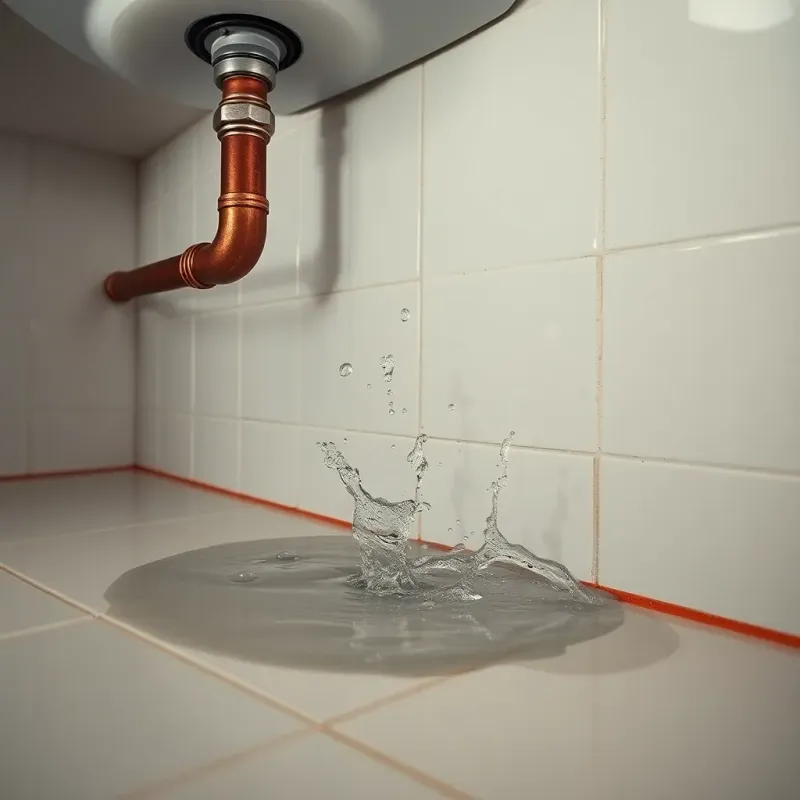
The most important distinction in water damage insurance claims is understanding sudden versus gradual water damage. Insurance companies view these two categories very differently, and misunderstanding the difference can result in denied claims.
Sudden Water Damage (Usually Covered)
Sudden water damage occurs without warning and results from a specific, identifiable event. Your homeowners insurance typically covers these scenarios:
- Burst pipes from freezing temperatures
- Storm damage to your roof causing interior leaks
- Appliance failures like a washing machine hose breaking or water heater rupturing
- Toilet overflows from mechanical failure (not from blockages you caused)
- Roof damage from wind or hail allowing water inside
- Plumbing system failures like a ruptured sewer line (in some policies)
These events happen suddenly and aren’t the result of poor maintenance or negligence. Insurance companies understand that homeowners can’t prevent frozen pipes in winter or sudden storm damage.
Pro tip from experience: When a pipe bursts, the very first thing you should do—even before calling your insurance company—is take photos. I’ve seen adjusters deny claims because homeowners cleaned up first and had no photographic evidence of the water source. Document everything while it’s still wet and messy.
Gradual Water Damage (Usually NOT Covered)
Gradual water damage develops over time and typically isn’t covered by standard homeowners insurance. This category includes:
- Slow leaks from aging pipes or poor maintenance
- Seepage through basement walls or foundations
- Condensation buildup in crawlspaces
- Moisture damage from poor drainage around your property
- Roof leaks that developed because of missing shingles or lack of maintenance
- Plumbing leaks that developed slowly over months or years
- Mold growth from ongoing moisture issues (though some policies have limited mold coverage)
Insurance companies exclude gradual damage because they view it as something a homeowner should have maintained against. A slow leak that goes unnoticed for months falls outside standard coverage.
Policy Exclusions: What Homeowners Insurance Will NOT Cover
Even though you pay for homeowners insurance, certain water damage scenarios fall outside coverage. Understanding these exclusions is critical before disaster strikes. You should also learn what happens if damage originates from a neighbor’s property, as liability questions add another layer of complexity.
Flood Damage (Major Exclusion)
The most significant exclusion in standard homeowners insurance is flood damage. Standard homeowners insurance policies exclude all flood-related water damage, period. This applies whether you live in a high-risk flood zone or a low-risk area.
Flood damage includes:
- Water from rising rivers or lakes
- Overflow from drainage systems
- Groundwater seepage
- Water damage from heavy rainfall that accumulates outside your home
This exclusion exists because flood risk is unpredictable and potentially catastrophic. A single flood event could cost tens of thousands to hundreds of thousands of dollars, making it impossible for homeowners insurance companies to cover it profitably.
Sump Pump Failures
If your sump pump fails and water enters your basement, standard homeowners insurance typically doesn’t cover the damage. Some policies may offer optional sump pump backup coverage, but you need to add this rider separately.
Water from the Ground Up
Water that seeps through basement walls or comes up through your foundation isn’t covered by standard homeowners insurance. This is considered a maintenance and drainage issue rather than an insurable peril.
Damage from Lack of Maintenance
Any water damage resulting from failure to maintain your home is excluded. This includes:
- Roof leaks from deteriorated or missing shingles
- Pipe damage from failure to insulate against freezing
- Water damage from clogged gutters
- Basement seepage from improper grading around your home
Homeowners Insurance vs. Flood Insurance: Understanding the Difference
Many homeowners mistakenly believe their homeowners insurance protects them against flood damage. This confusion is dangerous and can leave you with devastating, uninsured losses. To avoid costly surprises, understand the key differences between water damage and flood coverage before disaster strikes.
Homeowners insurance covers sudden, accidental water damage from indoor plumbing, appliances, and weather-related perils like storms. It does NOT cover water that comes from outside your home’s foundation.
Flood insurance is a separate policy that covers damage from rising water, heavy rainfall, and overflow from drainage systems. Flood insurance must be purchased separately, either through the National Flood Insurance Program (NFIP) or private flood insurance carriers.
If you live in a high-risk flood area, your mortgage lender will require you to purchase flood insurance. Even if you don’t live in a designated flood zone, you may benefit from flood insurance if you’re in a moderate-to-low-risk area that occasionally experiences heavy rainfall.
The cost of flood insurance varies based on your flood risk zone, the value of your home, and your deductible. In moderate-risk areas, flood insurance may cost $500-$1,500 annually. In high-risk areas, it can exceed $5,000 per year.
How Homeowners Insurance Deductibles Work in Water Damage Claims
Your deductible is the amount you pay out of pocket before insurance coverage begins. Understanding how deductibles apply to water damage claims can significantly impact your claim payout.
Standard deductibles typically range from $500 to $2,500. When you file a water damage claim, you pay this amount, and insurance covers the rest (up to your policy limits). To get a sense of typical claim payouts for water damage, review average settlement data before setting your expectations.
Higher water damage deductibles are common. Many insurers offer separate water damage deductibles of $1,000-$5,000 or even a percentage of your home’s replacement cost (typically 1-5%). These higher deductibles reduce your premium but increase what you pay when filing a claim.
For example, if you have a standard $1,000 deductible and experience $12,000 in water damage from a burst pipe, you’d pay $1,000 and insurance covers $11,000. If you have a higher water damage deductible of $5,000, you’d pay $5,000 and insurance covers $7,000.
Reviewing your deductible before disaster strikes is important. If you have young children, aging plumbing, or other risk factors, a lower deductible may be worth the extra premium cost.
One thing I always tell homeowners is this: pull out your policy and read the water damage section right now, before you ever need it. I can’t count how many times I’ve stood in someone’s flooded kitchen while they scrambled to find their policy number and had zero idea what their deductible was. Knowing this ahead of time gives you real power when the worst happens.
What Types of Water Damage Claims Get Approved
Getting your homeowners insurance water damage claim approved depends on several factors. Insurance adjusters evaluate claims based on these criteria:
Covered peril: The damage must result from a peril specifically covered in your policy. Sudden storm damage or a burst pipe qualifies; gradual seepage doesn’t.
Maintenance history: Insurance companies investigate whether the damage resulted from poor maintenance. If your roof had missing shingles for months and it finally leaked, the claim may be denied.
Timing and documentation: Filing a claim quickly and documenting damage with photos helps. Waiting weeks to file or only reporting water damage after major mold growth appears can complicate claims.
Exclusions in your policy: Your specific policy wording matters. Some policies have exclusions you didn’t know about until you filed a claim.
Professional assessment: Having a water damage restoration company assess the damage helps establish the cause and extent of damage, supporting your claim.
Steps to Maximize Your Water Damage Insurance Claim
When water damage occurs, taking immediate action can significantly impact your claim outcome.
1. Stop the water source immediately. If it’s a burst pipe, shut off your water supply. If it’s a roof leak, move valuables away from the affected area. Your insurance company expects you to minimize damage.
2. Document everything with photos and video. Take pictures of the water source, the affected areas, and any damaged belongings. Be sure to properly document the damage to maximize your claim, as thorough evidence is the foundation of a successful payout.
3. Contact your insurance company within 24-48 hours. File your claim promptly. Waiting weeks to report damage can complicate your claim.
4. Keep receipts and documentation. If you pay for emergency services (like water extraction), keep all receipts. Insurance may reimburse these emergency mitigation costs.
5. Get a professional assessment. A water damage restoration company can document the extent of damage and the cause, which strengthens your claim.
6. Review your policy before filing. Understanding your specific coverage helps you know what to expect and what questions to ask your adjuster.
7. Don’t throw away damaged items immediately. Your adjuster may need to inspect items to assess damage. Once you’ve documented items with photos, you can dispose of them.
8. Cooperate fully with your adjuster. Provide requested documentation promptly and allow access to your home for inspection.

Common Water Damage Claim Scenarios
Understanding how insurance typically handles common water damage situations helps set realistic expectations.
Scenario 1: Burst Pipe in Winter A burst pipe from freezing temperatures that causes $8,000 in damage would typically be covered. You’d pay your deductible (usually $500-$1,000) and insurance would cover the remaining $7,000-$7,500. This is a straightforward covered claim.
Scenario 2: Roof Leak from Storm A roof leak from a recent severe storm that causes $6,000 in damage is covered, assuming your roof was reasonably maintained. If your roof is 20+ years old or obviously neglected, the insurer may investigate maintenance history. Typical claim payout: you pay deductible, insurance covers the rest.
Scenario 3: Basement Seepage Water seeping through basement walls during heavy rains typically isn’t covered by homeowners insurance. This is considered a drainage and maintenance issue. You’d be responsible for all costs, though flood insurance would cover this scenario.
Scenario 4: Toilet Overflow A toilet overflow from a mechanical failure is typically covered. An overflow caused by a clogged toilet (your responsibility to maintain) may not be. Most insurance companies would cover a mechanical failure scenario.
Scenario 5: Old Plumbing Failure A leak from aging copper pipes that finally failed would typically be denied because it’s gradual damage from lack of maintenance. However, if a pipe suddenly burst (catastrophic failure), it might be covered. This is a gray area where adjusters use judgment.
Protecting Your Home from Water Damage
While insurance is important, preventing water damage is even better.
Maintain your roof regularly. Inspect your roof annually and replace missing or damaged shingles promptly. This prevents storm leaks and supports your claim if water damage does occur.
Insulate pipes in cold areas. Insulating pipes in basements, crawlspaces, and exterior walls prevents freezing and bursting.
Install water detection devices. Water sensors near appliances, water heaters, and in basements alert you to leaks before major damage occurs.
Maintain proper drainage. Ensure gutters are clean, downspouts extend away from your foundation, and grading slopes away from your home.
Have your plumbing inspected. If your home has aging plumbing, have a plumber inspect it for potential failure points.
Consider optional coverage. Ask your insurance agent about sump pump backup coverage, water backup coverage, and other water damage riders.
I’ve seen this work time and time again: homeowners who invest $200-$300 in a basic plumbing inspection and a couple of water leak sensors save themselves from $10,000+ claims down the road. Prevention is always cheaper than restoration.
FAQs: Homeowners Insurance and Water Damage
Q: Will my homeowners insurance cover water damage from a burst pipe? A: Yes, if the pipe burst suddenly from freezing or mechanical failure. Your policy typically covers the burst pipe damage and resulting water damage. You’d pay your deductible, and insurance covers the remaining damage.
Q: What’s not covered by homeowners insurance water damage? A: Flood damage, gradual leaks, seepage from outside the foundation, and damage from poor maintenance aren’t covered by standard policies. Flood damage requires separate flood insurance.
Q: Does homeowners insurance cover mold? A: Limited mold coverage is available in most policies, but only if the mold directly results from a covered water damage event (like a sudden pipe burst). Mold from gradual leaks or moisture issues isn’t covered.
Q: How much does water damage insurance cost extra? A: Water damage coverage is typically included in standard homeowners insurance policies at no extra cost. You may pay more for higher deductibles or optional riders like sump pump backup coverage ($50-$100 annually).
Q: Do I need flood insurance if I don’t live in a flood zone? A: While you may not be required to purchase flood insurance outside high-risk zones, it’s worth considering if you live in an area with occasional heavy rainfall or if water damage claims are common in your area. Flood insurance is affordable in moderate-risk zones.
Last Updated: February 2026
This guide provides general information about homeowners insurance coverage. Your specific coverage depends on your policy details. Contact your insurance agent to review your specific coverage and discuss any concerns about water damage protection.
Disclaimer: This article is for informational purposes only and does not constitute professional advice. Every water damage situation is unique. Always consult a licensed contractor or restoration professional for your specific situation. If you’re dealing with an emergency, contact your local restoration company immediately.