How Much Does Water Damage Restoration Cost in 2026?
After helping hundreds of families through the water damage restoration process, the question I hear more than any other is: “How much is this going to cost me?” And I get it—you’re already stressed, your home is damaged, and now you’re worried about your bank account on top of everything else. The honest answer is that it depends, but I’m going to give you the real numbers I’ve seen in the field, not vague estimates.
I’ve worked on jobs that cost $600 and jobs that topped $45,000. A small bathroom leak is a completely different animal than a basement that’s been sitting in six inches of water for three days. The biggest factor I’ve seen in keeping costs down? Speed. Homeowners who act within the first 24 hours consistently pay a fraction of what those who wait end up spending.
This guide breaks down the real costs homeowners face so you can budget for repairs, file accurate insurance claims, and make informed decisions about whether to tackle restoration yourself or hire professionals.
Key Takeaway: Average water damage restoration costs range from $2,000 to $10,000 for moderate damage, but acting within 24-48 hours is the single biggest factor in keeping your costs down—delays can double or triple your final bill due to mold growth and structural damage.
Average Water Damage Restoration Cost by Damage Class
The water damage restoration industry uses a classification system (Class 1-4) to categorize severity. Your damage class directly impacts restoration costs and the type of equipment and expertise required.
Class 1 Water Damage (Lowest Severity)
Class 1 damage affects a small area with minimal moisture absorption. Examples include a small leak affecting part of one room, or water confined to a tile floor without soaking into walls or flooring.
Average cost: $500-$2,000
Class 1 restoration typically involves:
- Water extraction and cleanup
- Basic drying with portable dehumidifiers
- Minor repairs to affected areas
- No mold remediation needed
Example: Water from a leaking sink confined to the bathroom for a few hours. Cost to extract, dry, and remove baseboards: $800.
Class 2 Water Damage (Moderate Severity)
Class 2 damage affects a larger area with moderate moisture absorption. Water has soaked into flooring, baseboards, and partially into walls, or affects an entire room.
Average cost: $2,000-$8,000
Class 2 restoration includes:
- Professional water extraction
- Dehumidifiers and air movers deployed across the room
- Removal of affected flooring, baseboards, and drywall (partial)
- Structural drying for 3-7 days
- Testing for mold (may require remediation)
Example: A burst pipe flooding a bedroom with water soaking into carpet and baseboards. Cost for extraction, drying, carpet removal, and drywall replacement: $4,500.
Class 3 Water Damage (High Severity)
Class 3 damage affects multiple rooms with extensive moisture absorption into structure, flooring, and walls. Water has reached higher levels on walls or affects an entire floor of your home.
Average cost: $8,000-$20,000
Class 3 restoration involves:
- Professional water extraction from entire affected area
- Industrial-grade dehumidification equipment
- Removal of all affected flooring and extensive drywall removal
- Structural member drying
- Multiple mold assessments and potential remediation
- Extended drying period (7-14+ days)
Example: Pipe burst in a basement flooding the entire unfinished basement and crawlspace, affecting structural lumber. Cost for comprehensive extraction, drying, and mold assessment: $12,000.
Class 4 Water Damage (Severe/Catastrophic)
Class 4 damage is extensive and affects difficult-to-dry areas like thick concrete, stone, structural wood, or affects multiple stories of your home. This category includes severe flooding or damage to areas with dense materials.
Average cost: $20,000-$50,000+
Class 4 restoration requires:
- Specialized equipment and extended drying periods (weeks)
- Removal of structural materials (wood framing, joists)
- Potential reconstruction of affected areas
- Mold remediation in extensive areas
- Possible foundation or structural repairs
- Extended professional monitoring
Example: Severe basement flooding affecting foundation walls, framing, and contents throughout the basement. Cost for comprehensive restoration: $30,000.
Water Damage Restoration Cost by Room Type
The room where water damage occurs significantly impacts restoration costs. Some areas are more expensive to restore than others.
| Room Type | Average Cost | Primary Factors |
|---|---|---|
| Bathroom | $1,500-$4,000 | Small size; tile makes extraction easier |
| Kitchen | $2,000-$6,000 | Appliances may need removal; cabinets affected |
| Bedroom | $2,500-$6,000 | Carpet removal; drywall replacement |
| Living Room | $3,000-$8,000 | Larger area; carpeted; more contents |
| Basement | $3,000-$15,000 | Largest area; difficult-to-dry materials; foundation involvement |
| Crawlspace | $2,000-$5,000 | Specialized equipment; lumber drying |
| Attic | $1,500-$4,000 | Access difficulty; insulation replacement |
| Garage | $2,000-$6,000 | Concrete flooring; vehicle damage potential |
Basements are consistently the most expensive to restore due to their size, the presence of difficult-to-dry materials like concrete and structural wood, and the potential for extensive mold growth.
Cost Breakdown: What’s Included in Water Damage Restoration
Water damage restoration costs break down into specific services. Understanding each component helps you evaluate quotes and understand where restoration money goes.
Water Extraction and Removal
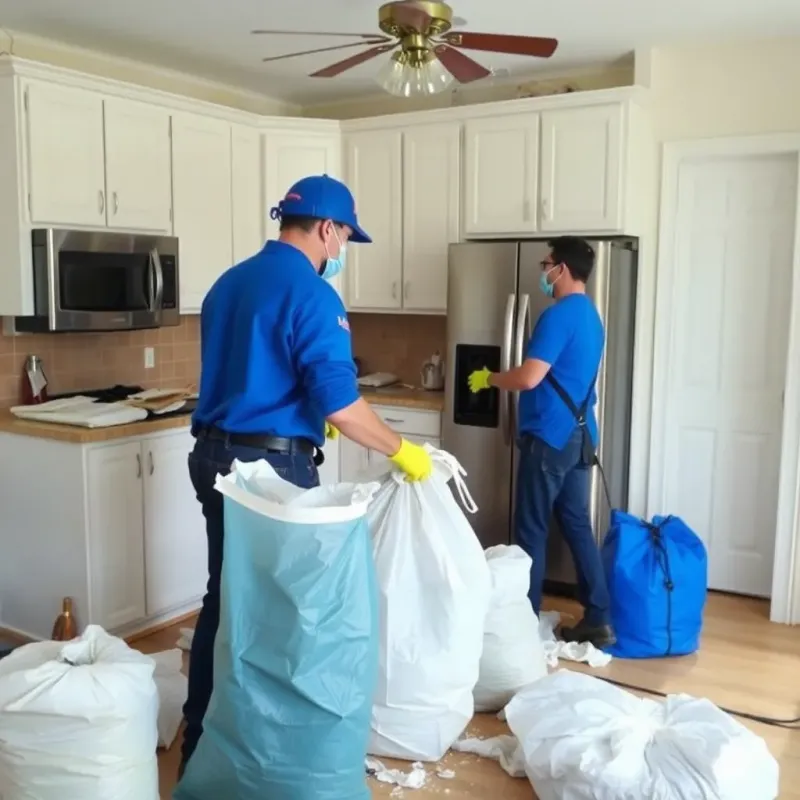
Professional water extraction removes standing water using truck-mounted or portable extraction equipment.
Cost: $500-$2,500 (depending on volume)
Industrial-grade pumps and extractors remove water faster than dehumidifiers alone. A large basement flood might require 8-12 hours of extraction work with multiple technicians. Emergency services (after-hours) may cost 25-50% more.
Drying and Dehumidification
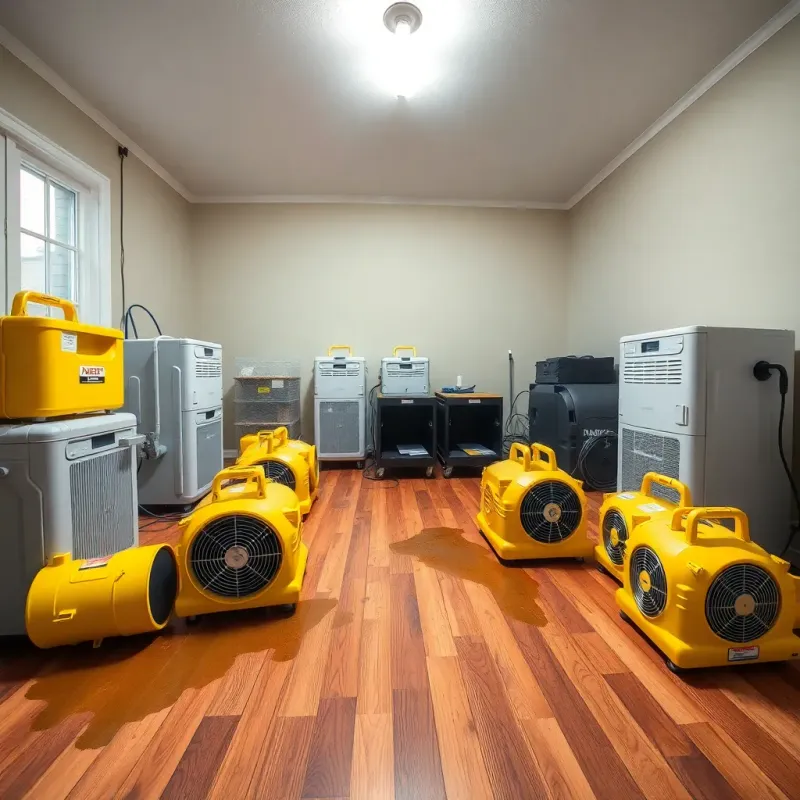
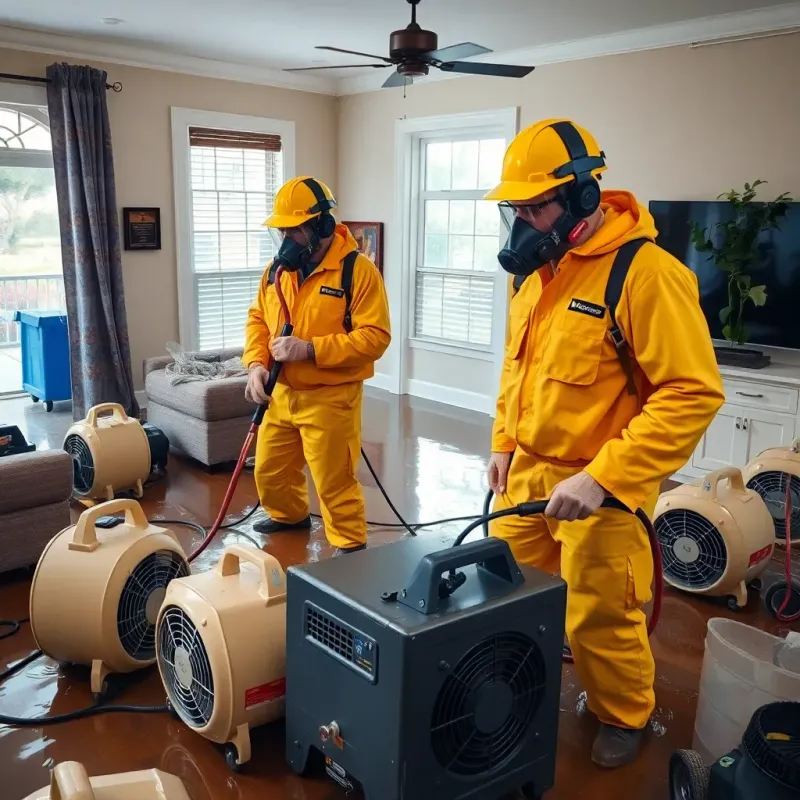
After extraction, commercial dehumidifiers and air movers dry your home. The larger your affected area and the longer it takes to dry, the higher this cost.
Cost: $1,000-$5,000 (for typical water damage)
A typical residential water damage restoration requires 3-7 days of equipment deployment. The restoration company provides equipment, monitors moisture levels, and removes equipment when drying is complete. Costs depend on:
- Number of dehumidifiers needed
- Duration of drying (days required)
- Size of affected area
- Structural drying requirements
Flooring Removal and Replacement
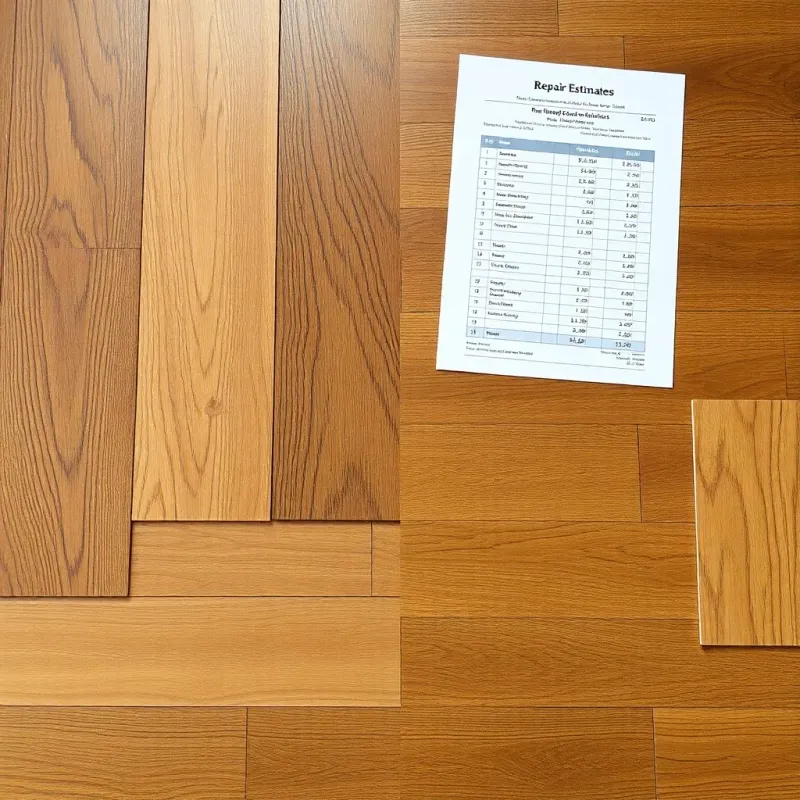
Removing and replacing flooring is often the largest component of restoration costs, especially if you have carpet or hardwood flooring.
Carpet removal: $1-$3 per square foot ($500-$3,000 for typical rooms) Hardwood removal: $2-$5 per square foot ($1,500-$5,000 for typical rooms) — see our detailed hardwood floor water damage repair cost breakdown Carpet replacement: $3-$10 per square foot ($2,000-$8,000) Hardwood replacement: $5-$15 per square foot ($3,000-$12,000+)
Removing flooring is essential if water has soaked in, even if the flooring appears salvageable. Attempting to save saturated carpet leads to mold growth. Once flooring is removed, subfloor typically dries within 3-5 days. Replacement flooring is one of the largest single expenses in water damage restoration.
Pro tip from experience: I always tell homeowners to pull back a corner of their carpet and check the padding underneath, even if the carpet surface seems dry. I’ve walked into jobs where the carpet felt fine on top but the padding was soaked through and already starting to smell. That hidden moisture is what turns a $3,000 job into a $10,000 mold remediation nightmare.
Drywall and Wall Restoration
Water-damaged drywall must be removed, typically from floor level to 3-4 feet high (where water splashed). Extensive water damage may require wall removal higher up or even full wall removal.
Drywall removal: $1-$3 per square foot Drywall replacement: $2-$4 per square foot (including labor and materials)
A 10’x12’ bedroom might have 480 square feet of wall space, but water damage affects the lower 3 feet. Removal and replacement of drywall in that area might cost $1,500-$3,000. This also includes removing baseboards, which typically can’t be salvaged.
Mold Remediation
If mold growth occurs or moisture testing indicates mold risk, mold remediation becomes necessary. See our detailed mold remediation cost after water damage guide for a full breakdown. Mold remediation is expensive and varies based on extent.
Cost: $2,000-$10,000+ (depending on extent)
Limited mold remediation (treating small affected areas) might cost $2,000-$4,000. Extensive mold requiring containment, professional removal, and monitoring can cost $8,000-$15,000 or more. Many homeowners’ insurance policies cover mold only if it results from a covered water damage event.
Furniture and Content Restoration
Water-damaged furniture, carpets, and contents may be salvageable through professional cleaning and restoration.
Cost: $50-$300 per item (or 20-30% of replacement cost for bulk items)
Sofas, mattresses, and other porous furniture absorb water easily. Professional water damage restoration companies can attempt restoration through specialized cleaning and drying, but heavily saturated items may be a total loss. Some homeowners choose to replace rather than restore furniture.
Labor and Overhead
Professional restoration companies charge for their expertise, equipment, and overhead.
Labor: $50-$100 per hour per technician, or flat rates based on damage assessment
A typical water damage job requires 2-4 technicians working 8-12 hours, plus return visits for monitoring. Labor can represent 30-50% of total restoration costs, depending on damage complexity.
Cost Factors: What Increases Water Damage Restoration Expenses
Several factors can significantly increase your water damage restoration costs beyond the basic estimates above.
Type of water involved: Clean water from a burst pipe is the least expensive to remediate. Gray water (from toilets or appliances) and black water (contaminated water from outside or sewage) require specialized handling and higher costs due to health risks.
Time delay: Water damage that’s addressed within 24-48 hours costs significantly less than damage addressed after a week. Delayed action allows mold growth, material saturation, and structural damage that increase costs.
Contamination and hazardous materials: If water damage affects areas with asbestos, lead paint, or other hazardous materials, specialized contractors are required, increasing costs 50-100%.
Carpet vs. hard flooring: Homes with extensive carpet face higher flooring costs than homes with tile or vinyl. Hardwood flooring costs are even higher than carpet when replacement is needed.
Structural damage: If water damage affects wood framing, foundation, or other structural elements, repair costs increase dramatically ($5,000-$20,000+ for structural repairs).
Mold contamination: If water damage results in mold growth, remediation costs add $2,000-$15,000 depending on extent.
Insurance involvement: Repairs must meet insurance standards, which may require higher-quality materials and documentation, potentially increasing costs 10-20%.
Geographic location and local labor rates: Water damage restoration costs vary by region. Major metropolitan areas typically cost 20-40% more than rural areas. Urban areas with high labor costs also have higher service charges.
Water Damage Restoration Cost Comparison: DIY vs. Professional
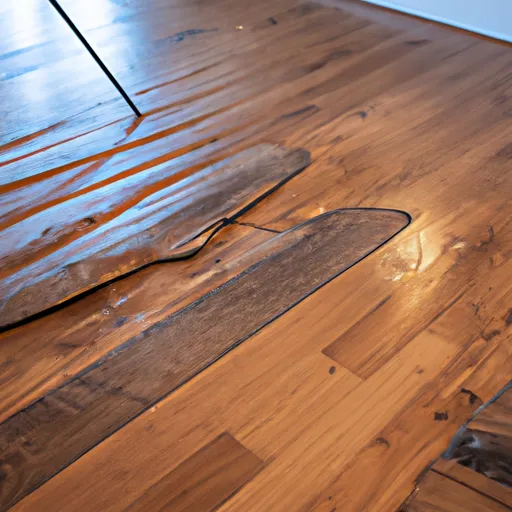
Many homeowners wonder whether they can save money by handling water damage restoration themselves. The answer depends on damage severity and your skills.
DIY Water Damage Restoration
When DIY makes sense:
- Minimal damage (Class 1): Small leaks affecting limited area
- You have time to manage the project
- You have basic equipment access
- You’re comfortable with mold risk and structural concerns
Potential DIY costs: $300-$2,000
DIY approaches might involve:
- Renting a wet-vac for water extraction ($40-$100/day)
- Renting dehumidifiers and air movers ($30-$60/day)
- Purchasing basic supplies (fans, dehumidifier sheets, etc.)
- Your labor time
Risks of DIY water damage restoration:
- Incomplete water extraction leads to mold growth
- Inadequate drying allows structural damage and mold
- Missing hidden moisture in walls and under flooring
- Inability to properly assess structural damage
- Health risks from mold exposure
- Insurance claims for incomplete restoration may be denied
Cost risk: A DIY restoration that misses moisture or mold can result in $10,000+ in additional repairs months later when mold becomes visible and structural damage worsens.
One thing I always tell homeowners is this: if you’re going to go the DIY route, at least rent a moisture meter for $30-$50 from your local hardware store. I’ve seen so many cases where people thought everything was dry, closed up the walls, and three months later they’re calling me because the whole room smells like mildew. A moisture meter takes the guesswork out of it.
Professional Water Damage Restoration
When professional restoration is necessary:
- Moderate to extensive damage (Class 2-4)
- Uncertainty about damage extent
- Water damage affecting walls, flooring, or structure
- Any damage affecting basement or crawlspace
- Business or rental property
- Insurance claim involved
Professional restoration benefits:
- Industrial extraction and drying equipment
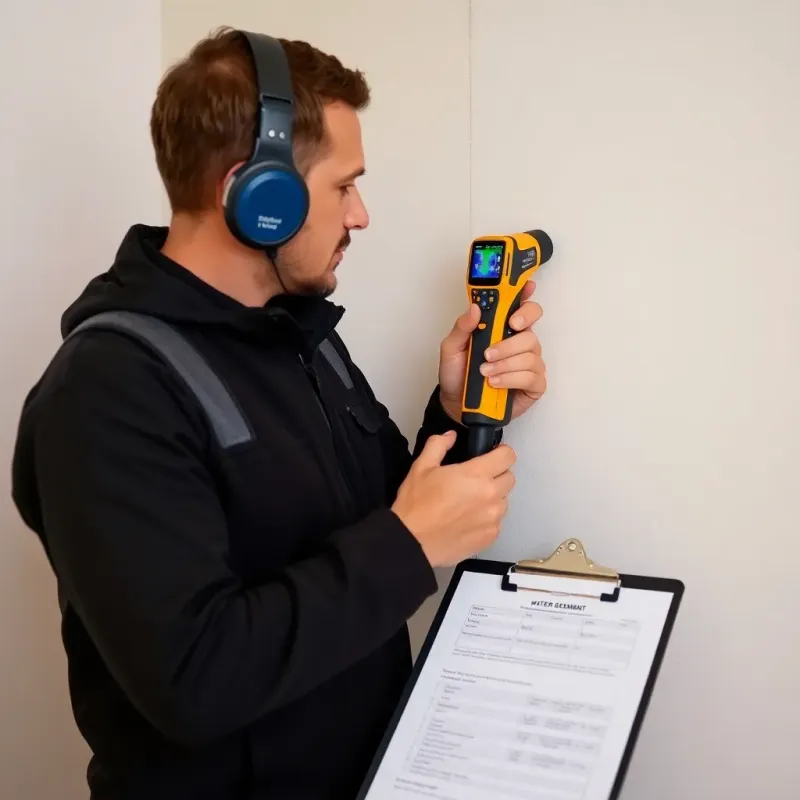
- Moisture detection technology finds hidden moisture
- Professional expertise prevents hidden damage issues
- Mold assessment and prevention
- Documentation for insurance claims
- Warranty on restoration work
Cost: $2,000-$50,000 depending on damage class
Most homeowners should hire professionals for any damage beyond minor cleanup. Read our analysis of whether professional restoration is worth it or DIY for help deciding. The risk of missed moisture and mold growth far outweighs DIY savings.
How Insurance Affects Water Damage Restoration Costs
If your water damage is covered by homeowners insurance, your out-of-pocket costs depend on your deductible and coverage limits.
Insurance coverage calculation:
- Repair cost: $8,000
- Your deductible: $1,000
- Insurance pays: $7,000
- You pay: $1,000
If the damage exceeds your policy limits (unusual but possible in severe damage), you’d be responsible for costs above the limit.
Tips for insurance claims:
- Get multiple restoration quotes (insurance companies expect competition)
- Document all damage with photos before cleanup begins
- Keep all receipts and invoices
- Work with the insurance adjuster to approve restoration scope
- Some insurance policies cover emergency mitigation costs (extraction, temporary tarping) at 100% before deductible
Saving Money on Water Damage Restoration
If you face water damage restoration, these strategies help reduce costs.
Act immediately: Addressing water damage within 24-48 hours prevents mold and extensive material damage, significantly reducing costs. Every day of delay increases potential costs.
Get multiple quotes: Professional restoration companies often have different pricing. Get free estimates from multiple companies before selecting a contractor.
Verify insurance coverage: Confirm what your insurance covers before spending money. Some costs may be fully covered.
Consider material choices: When replacing flooring or materials, mid-range options cost significantly less than premium options while still providing durability.
Address the water source: Before restoration begins, ensure the water source is fixed. Otherwise, damage will recur.
Negotiate with contractors: For larger projects, ask if contractors offer discounts for faster payment or if they can reduce scope in specific areas to lower costs.
Salvage what you can: Some furniture and contents can be professionally cleaned and dried rather than replaced, reducing content replacement costs.
I’ve seen this work time and time again: homeowners who get three quotes instead of just going with the first company that shows up save an average of 15-25% on their total restoration bill. Don’t panic-hire. Take a breath, get your quotes, and compare them side by side.
Water Damage Restoration Cost Examples by Scenario
Understanding real-world scenarios helps predict potential costs for your situation.
Scenario 1: Burst Pipe in Bedroom
- Water damage affects 200 sq ft area
- Carpet fully saturated, drywall soaked to 3 feet
- 24-hour discovery and response
- Cost breakdown:
- Water extraction: $800
- Drying equipment (5 days): $2,000
- Carpet removal and replacement: $2,500
- Drywall removal and replacement: $1,800
- Labor: $1,500
- Total cost: $8,600
- Insurance payment: $7,600 (after $1,000 deductible)
Scenario 2: Basement Flooding
- Water damage affects 600 sq ft basement
- 6 inches of standing water
- Water soaked into concrete, framing, and storage items
- 48-hour delay before addressing
- Cost breakdown:
- Water extraction: $2,500
- Drying equipment (10 days): $4,500
- Flooring removal (epoxy basement floor): $1,800
- Mold remediation (moderate): $4,000
- Drywall removal/replacement: $2,000
- Labor: $3,000
- Total cost: $17,800
- Insurance payment: $16,800 (after $1,000 deductible)
Scenario 3: Minor Bathroom Leak
- Water damage affects 80 sq ft area
- Linoleum floor and subfloor affected
- Quickly discovered and addressed (same day)
- Cost breakdown:
- Water extraction: $400
- Drying (3 days): $900
- Flooring removal and replacement: $800
- Labor: $500
- Total cost: $2,600
- Insurance payment: $1,600 (after $1,000 deductible)
Scenario 4: Severe Basement Flood from External Water
- Water damage affects 800 sq ft, partially structural
- 12+ inches of water from groundwater infiltration
- Delayed response (discovered after 72 hours)
- Extensive mold growth evident
- Cost breakdown:
- Professional water extraction: $3,500
- Extended drying (14+ days): $6,000
- Flooring removal: $2,400
- Mold remediation (extensive): $8,000
- Structural repairs to framing: $7,000
- Drywall replacement: $3,500
- Labor and equipment: $4,000
- Total cost: $34,400
- Insurance payment: $0 (most homeowners insurance excludes flood/ground water)
- Note: This scenario demonstrates why flood insurance is critical
FAQ: Water Damage Restoration Costs
Q: How much does professional water damage restoration typically cost? A: Average water damage restoration costs $2,000-$10,000 for moderate damage affecting one room. Extensive damage affecting multiple rooms or the basement can cost $15,000-$50,000+. Costs depend primarily on damage extent (Class 1-4), affected materials, and whether mold remediation is needed.
Q: What’s the most expensive part of water damage restoration? A: Flooring replacement is typically the single largest cost, often representing 30-40% of total restoration expenses. If your home has hardwood or premium flooring, this cost can be $5,000-$12,000+. Structural repairs and extensive mold remediation are the next largest cost categories.
Q: Is water damage restoration covered by homeowners insurance? A: Coverage depends on the cause. Sudden, accidental water damage from burst pipes, storms, or appliance failures is typically covered (minus your deductible). Flood damage, gradual leaks, and damage from poor maintenance typically aren’t covered. Review your specific policy or contact your agent.
Q: How can I reduce water damage restoration costs? A: Address water damage immediately (within 24-48 hours) to prevent mold growth and extensive material damage. Get multiple quotes from restoration companies, verify insurance coverage, and consider mid-range material choices for replacements. Proper documentation supports insurance claims and ensures you get fair pricing.
Q: Should I hire professionals or try DIY water damage restoration? A: For any damage beyond very minor water issues, professional restoration is recommended. Professionals have industrial-grade equipment, moisture detection technology, and expertise to prevent hidden damage and mold growth. DIY attempts often result in missed moisture leading to mold problems and structural damage costing far more to repair later.
Last Updated: February 2026
Cost estimates in this guide are based on 2026 market data and typical U.S. restoration pricing. Your specific costs will vary based on location, damage extent, and local labor rates. Contact local water damage restoration companies for accurate quotes specific to your situation.
Disclaimer: This article is for informational purposes only and does not constitute professional advice. Every water damage situation is unique. Always consult a licensed contractor or restoration professional for your specific situation. If you’re dealing with an emergency, contact your local restoration company immediately.