How to File a Water Damage Insurance Claim: Step-by-Step Guide

When I first started helping homeowners navigate the insurance claim process years ago, I quickly realized something: most people have never filed a claim before, and the process is designed to be confusing. I’ve sat at kitchen tables with families who were so overwhelmed by the paperwork and phone calls that they nearly gave up on legitimate claims worth tens of thousands of dollars. That’s money they were entitled to, and they almost left it on the table.
I put this guide together because filing a water damage insurance claim doesn’t have to be a nightmare. I’ve walked dozens of homeowners through this exact process, and the ones who follow these steps consistently get better outcomes—faster payouts, fewer denials, and less stress overall. Whether your basement flooded, a burst pipe wrecked your kitchen, or an appliance malfunction destroyed your living room, the steps are the same. Before starting, verify your homeowners policy covers water damage to ensure your claim is worth pursuing.
Key Takeaway: The most important things you can do to maximize your water damage insurance claim are to file immediately (within 24-48 hours), document everything with photos and video before cleanup, and never accept the first settlement offer without reviewing it against independent contractor estimates.
When Should You File a Water Damage Claim?
The short answer: immediately. Most insurance policies have strict time limits for filing claims, typically ranging from 30 to 90 days from the date of loss. Make sure you file within the required timeframe, as delaying your claim could result in denial, even if the damage is legitimate and covered under your policy.
File a claim when water damage results from a covered peril, such as burst pipes, storms, or sudden appliance failure. If the damage stems from poor maintenance, flooding (requires separate flood insurance), or gradual leaks, your homeowners policy likely won’t cover it. Understanding what your policy covers before disaster strikes prevents wasted effort on uninsurable claims.
Document the exact date and time damage occurred if possible. Insurance companies use this information to assess claim validity and cross-reference weather reports or maintenance records. Even a rough timeframe helps establish the timeline for your water damage claim process.
Step 1: Ensure Your Safety First
Before documenting damage or contacting your insurer, prioritize personal safety. Turn off electricity at the breaker if water has reached electrical outlets, appliances, or wiring—wet conditions create electrocution hazards.
Turn off your home’s main water supply if the damage resulted from a burst pipe or internal water source. This prevents additional water from flowing and limits the scope of damage. If you’re unsure where the main shut-off valve is located, identify it now before an emergency occurs.
Evacuate areas with potential mold growth, ceiling collapse, or contaminated water. Gray water (from washing machines, toilets) and black water (sewage) carry health risks and require professional remediation. Your health comes before documenting damage.
Step 2: Document All Water Damage Thoroughly

Documentation is your strongest evidence when filing a water damage insurance claim. Insurance adjusters make decisions based on photographic evidence and detailed descriptions. Without proper documentation, you’re at the mercy of the adjuster’s assessment. Follow our comprehensive documentation guidelines to build the strongest possible case.
Take photos and videos of all damaged areas before removing anything. Capture wide shots showing the full scope of damage, close-ups of water marks on walls and flooring, and images of damaged belongings. Include water damage to furniture, electronics, clothing, and personal items—every damaged item strengthens your claim.
Write detailed descriptions noting the water level, visible damage, and areas affected. Include dates and timestamps on photos when possible. Create a room-by-room inventory listing damaged items with original purchase prices and current estimated replacement costs. This inventory becomes invaluable when negotiating your settlement.
Preserve damaged items until the adjuster inspects them (unless they pose health hazards). Remove items from wet areas after photographing to prevent mold growth, but don’t discard anything without documentation. Adjusters may want to inspect carpet padding, drywall, or insulation to determine total loss value.
Step 3: Contact Your Insurance Company Immediately
Call your insurance company’s claims department as soon as it’s safe to do so. Have your policy number readily available, along with the date and time damage occurred and a brief description of what happened. Don’t delay this call—early notification demonstrates good faith and prevents claim denial based on late reporting.
During this initial call, ask specific questions about your policy’s deductible, coverage limits, and what documentation you’ll need to submit. Inquire whether your policy covers water removal services or if you should hire professionals independently. Some policies provide emergency mitigation coverage, which can be applied toward your claim settlement.
Request detailed information about the water damage claim process and timeline. Ask how long the company typically takes to assign an adjuster, whether they provide a claims representative to guide you, and what happens next. Clear communication during this call sets the tone for the entire claims process.
Take notes during this conversation, including the representative’s name, call time, and what was discussed. Request email confirmation of everything discussed over the phone. This documentation protects you if disputes arise later about what was promised or agreed upon.
Pro tip from experience: I always advise homeowners to record the call if your state allows it (check your state’s consent laws first). I’ve seen cases where a claims rep verbally promised coverage for something, and then the written settlement excluded it entirely. Having a record of that conversation gives you real leverage in disputes.
Step 4: Mitigate Further Damage (Required by Most Policies)
Insurance policies require homeowners to take reasonable steps to minimize additional damage—this is called “mitigation.” Failing to mitigate can result in claim denials or reduced payouts, even if the initial damage was covered.
Remove standing water using pumps, wet vacuums, or professional extraction services. The longer water sits, the greater the risk of mold growth and structural damage. Most policies expect water removal to begin within 24 hours of damage discovery. If you hire professionals for water removal, keep all receipts and invoices—these costs may be reimbursable.
Open windows and doors to increase air circulation (if weather permits and it’s safe to do so). Run dehumidifiers and fans to dry affected areas. The goal is preventing mold growth, which significantly increases remediation costs and health risks. Document your mitigation efforts with photos showing wet removal equipment, open windows, and drying efforts in progress.
If your insurer recommends specific contractors, get their information. However, you have the right to choose your own contractors. Get competitive bids for major work like water removal or restoration, as this demonstrates you’re protecting the insurer’s interests.
Step 5: Meet with the Insurance Adjuster
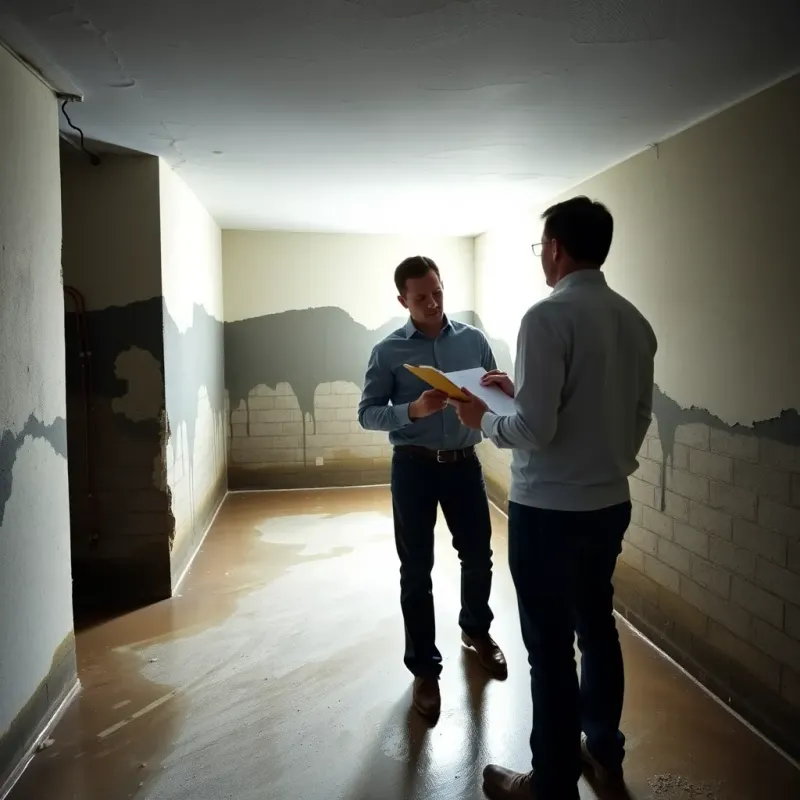
The insurance adjuster is a licensed professional who assesses damage, reviews your documentation, and determines your claim’s payout amount. Preparing for this meeting significantly impacts your settlement.
Provide the adjuster with all documentation you’ve compiled: photos, videos, inventory lists, receipts for mitigation efforts, and descriptions of damage. Walk the adjuster through your home, pointing out all affected areas and explaining what happened. Be honest about the damage—exaggeration can be used against you if it’s discovered later.
Point out hidden damage the adjuster might miss, such as water damage inside walls, behind baseboards, or in crawl spaces. Explain how water entered your home and what you’ve done to prevent further damage. A thorough adjuster will identify most damage, but your input ensures nothing is overlooked.
One thing I always tell homeowners is: don’t be afraid to politely push back during the adjuster’s visit. Adjusters are often juggling dozens of claims and may rush through your inspection. If you know there’s moisture behind a wall or under the flooring, say so. I’ve seen adjusters miss thousands of dollars in hidden damage simply because the homeowner didn’t speak up.
Ask the adjuster to explain their assessment, coverage decisions, and payout calculations. Request a detailed written estimate showing line items for labor, materials, and other costs. If you disagree with their assessment, ask what evidence or documentation might change their evaluation. This conversation establishes whether negotiation will be necessary.
Step 6: Obtain Repair and Replacement Estimates
Get independent estimates from licensed contractors for all needed repairs and replacements. You can get free damage estimates from restoration professionals to establish fair market values. Obtain at least two estimates—preferably three. Adjusters use these estimates to verify their assessments and negotiate fair settlements.
Ensure contractors provide detailed written estimates listing each repair or replacement with associated costs. Include labor, materials, permits, and any additional expenses. Provide copies of these estimates to your insurer and discuss any significant discrepancies with their adjuster’s assessment.
If contractor estimates significantly exceed the adjuster’s assessment, this discrepancy requires explanation. The adjuster might have underestimated costs, overlooked damage, or applied outdated pricing. Presenting competitive contractor bids pressures the insurer to justify their assessment or increase the payout.
Ask contractors whether they’ve handled insurance claims before and whether they can communicate directly with your insurer. Experienced contractors understand the claims process and can help advocate for fair assessments. They may also identify damage the adjuster missed.
Step 7: Review the Initial Settlement Offer
Your insurer will provide a formal settlement offer detailing coverage, deductibles, and payout amounts. Review this offer carefully against your documentation and contractor estimates. Most settlement offers are less than what homeowners believe is owed—negotiation is common and expected.
Check that the settlement covers all documented damage, includes appropriate deductibles, and applies to the correct coverage sections of your policy. Verify that depreciation calculations are fair if your policy uses actual cash value rather than replacement cost coverage.
If the offer falls short of your expectations, you have options. Request an itemized breakdown of what’s covered and excluded. Ask your adjuster to explain any denial of coverage. If disputes remain, consider hiring a public adjuster or attorney to review your claim.
Don’t accept an initial offer hastily, especially if you believe the payout is unfair. You typically have time to negotiate, request additional documentation, or hire professional representation. Insurance companies expect negotiation and build this into their settlement process.
Step 8: Negotiate if Necessary (When to Hire a Public Adjuster)
If your insurer’s offer significantly underestimates your damages, hiring a public adjuster may be worthwhile. Public adjusters work on behalf of policyholders, not insurers, and typically charge 5-10% of the final settlement (payable only if they increase your payout).
Public adjusters are licensed professionals who specialize in evaluating insurance claims and negotiating with companies on your behalf. They understand policy language, coverage limits, and industry standards. If your claim involves significant damage (typically $10,000 or more), a public adjuster may recover enough additional funds to justify their fee.
Before hiring a public adjuster, understand your state’s regulations, fee structures, and licensing requirements. Some states cap public adjuster fees or require specific contracts. Interview multiple public adjusters and ask for references from recent clients. Request a written contract clearly stating their fee percentage and services provided.
If negotiation fails and you believe your claim was wrongfully denied or significantly undervalued, consult an insurance attorney. Attorneys can review your policy, assess whether bad faith practices occurred, and determine if litigation is warranted. Many insurance disputes settle before trial once an attorney becomes involved.
Common Mistakes That Hurt Your Water Damage Claim
Not filing quickly enough is the most common error. Delaying your claim risks missing policy time limits or having damage worsen, making it harder to prove the original cause. File immediately when damage occurs.
Discarding damaged items before documentation prevents you from proving what was lost. Insurance companies need photographic evidence of specific belongings to justify replacement costs. Never throw away damaged items until your adjuster has inspected them.
Not keeping receipts and invoices for mitigation efforts weakens your ability to recover these costs. All expenses related to preventing further damage should be documented and claimed. Save every receipt for water removal, professional drying, temporary repairs, and related services.
Exaggerating or lying about damage is fraud and can result in claim denial, policy cancellation, or legal action. Insurance companies investigate suspicious claims thoroughly. Stick to facts and let your documentation speak for itself.
Hiring contractors without insurance checks can complicate your claim if they cause additional damage. Always verify that contractors have proper licensing, bonding, and liability insurance. Request proof of insurance before work begins.
Accepting the first offer without negotiation leaves money on the table. Insurance companies expect negotiation and often have flexibility in their initial assessments. Always request itemized breakdowns and get independent estimates before accepting a settlement.
Not reading your policy before filing leads to unrealistic expectations about coverage. Some damages (like flooding or slow leaks) typically aren’t covered by standard homeowners policies. Understanding your coverage prevents frustration and wasted effort on uninsurable claims.
Timeline Expectations for Water Damage Claims
Most insurance companies aim to complete water damage claim investigations within 30 days of filing. However, complex claims with significant damage can take 60 days or longer. Understanding typical timelines helps you manage expectations and identify when claims are taking abnormally long.
Simple claims with minor damage may be approved and paid within 2-3 weeks. More complex claims requiring multiple inspections, contractor estimates, and negotiation typically take 4-8 weeks. Very large claims or those involving coverage disputes may take several months to resolve.
After filing, expect the adjuster assignment within 3-5 business days. The adjuster typically schedules an inspection within 7-10 days. Following the inspection, the adjuster prepares a detailed report, which takes another 5-10 days. This timeline assumes no delays due to weather, contractor availability, or coverage questions.
Stay in contact with your claims representative regularly—weekly calls are appropriate during the initial stages. Ask for status updates, confirm receipt of documentation, and clarify any outstanding questions. Regular communication helps move claims along and demonstrates your engagement with the process.
What Adjusters Look For During Inspection
Insurance adjusters assess multiple factors when evaluating water damage claim severity and legitimacy. Understanding what they examine helps you prepare documentation and prevent claim denial.
Adjusters look for the water source—was it from burst pipes, storms, appliance malfunction, or another covered peril? They examine entry points, water marks, and damage patterns to verify your explanation. They check for signs of poor maintenance (like years of unrepaired leaks) which would disqualify claims.
They assess the extent of damage, including moisture in walls, ceiling damage, flooring deterioration, and mold growth. They photograph everything thoroughly and take moisture readings with specialized equipment. They document structural damage, noting any issues that require structural repairs or assessment.
Adjusters review your documentation carefully, comparing your photos and inventory to their observations. Discrepancies between what you claimed and what they observe can raise red flags. This is why honest, thorough documentation is crucial—it validates your claim and builds trust with the adjuster.
They evaluate mitigation efforts, looking for evidence that you took reasonable steps to prevent further damage. They assess whether professional drying was necessary, whether you removed water quickly, and whether you prevented mold growth. Poor mitigation efforts suggest negligence and can result in reduced payouts.
Tips for Maximizing Your Water Damage Claim Payout
Document everything before cleanup begins. Photos and videos of undisturbed damage carry far more weight than descriptions after cleanup. Take wide shots, close-ups, and images showing water levels on walls and structures.
Keep all receipts and invoices. Every dollar spent on mitigation, repairs, or replacements should be documented with proof of payment. These documents support your claim and prevent disputes over costs.
Obtain multiple contractor estimates. Three competitive bids establish fair market value and prevent adjusters from using lowball estimates. High-quality contractors with insurance and experience provide credible estimates that adjusters respect.
Understand your coverage thoroughly. Know your deductible, coverage limits, and what’s actually covered under your policy. This prevents overestimating potential payouts and helps you identify what’s claimable.
Be honest and consistent. Tell the truth about how damage occurred, what you observed, and what steps you took. Inconsistencies between your statements and the adjuster’s observations damage your credibility and can result in claim denial.
Hire a public adjuster for large claims. If your claim exceeds $10,000 or involves coverage disputes, a public adjuster can often recover significantly more than their fee costs. Their expertise and advocacy level the playing field with insurance companies.
Don’t accept lowball initial offers. Request itemized breakdowns and get independent estimates before settling. Negotiation is normal and expected in the claims process. Insurance companies budgeted for negotiation and usually have flexibility in their assessments.
I’ve seen this work time and time again: homeowners who bring three solid contractor estimates to the negotiation table get significantly better settlements than those who just accept whatever the adjuster offers. Adjusters expect you to negotiate—it’s built into their process. Don’t feel guilty about advocating for what you’re owed.
Conclusion
Filing a water damage insurance claim requires organization, documentation, and persistence. By following this step-by-step guide, you’ll navigate the claims process effectively and maximize your payout. Remember to file immediately, document thoroughly, mitigate damage, and don’t hesitate to negotiate if the initial offer seems unfair.
The key to successful claims is preparation. Knowing what information your insurer needs, understanding your coverage, and having complete documentation before the adjuster arrives puts you in the strongest negotiating position. If your claim doesn’t go as planned, learn what to do if your claim is denied so you’re prepared for every outcome. Take these steps seriously, and you’ll recover fairly from water damage without unnecessary stress or financial loss.
Frequently Asked Questions
Q: How long do I have to file a water damage insurance claim? A: Most insurance policies require claims to be filed within 30 to 90 days of the damage occurring. Check your specific policy for your insurer’s deadline. Filing as quickly as possible protects your claim and prevents denial based on late reporting.
Q: Will my homeowners insurance cover water damage from flooding? A: Standard homeowners policies do not cover flooding from storms or rising water. You need a separate flood insurance policy to cover flood-related water damage. Damage from burst pipes, appliance failure, and sudden leaks are typically covered by homeowners insurance.
Q: What if the insurance company’s offer seems too low? A: Request an itemized breakdown of their assessment and get independent contractor estimates. If estimates significantly exceed their offer, provide these to your adjuster and request reconsideration. You can hire a public adjuster to negotiate on your behalf or consult an insurance attorney if disputes remain unresolved.
Q: Should I hire a public adjuster? A: Public adjusters are valuable if your claim exceeds $10,000 or involves significant coverage disputes. They typically charge 5-10% of the settlement increase they achieve. For simpler, smaller claims, they’re usually not necessary, but for complex situations, their expertise often justifies the cost.
Q: Can I choose my own contractors, or must I use the insurer’s recommendations? A: You have the right to choose your own licensed contractors. Your insurer cannot force you to use specific vendors, but they may recommend contractors they’ve worked with previously. Always get competitive bids to ensure fair pricing and verify that contractors have proper licensing, bonding, and insurance.
Disclaimer: This article is for informational purposes only and does not constitute professional advice. Every water damage situation is unique. Always consult a licensed contractor or restoration professional for your specific situation. If you’re dealing with an emergency, contact your local restoration company immediately.