Water Damage vs Flood Damage: What Your Insurance Actually Covers
I have sat across the kitchen table from homeowners who just found out their insurance will not cover a single dollar of their $40,000 flood cleanup. The look on their faces is something I will never forget. They genuinely believed their homeowners policy covered “water damage” — and technically, it does. But their damage came from floodwater, and that is a completely different category in the eyes of every insurance company in the country.
This is the most expensive misunderstanding in home insurance, and I have seen it devastate families who were otherwise prepared. Most homeowners believe their homeowners insurance covers all water-related damage, but the legal and insurance industry distinction between water damage and flood damage determines whether your claim gets approved or denied. Understanding this difference could mean the difference between full coverage and catastrophic financial loss.
Key Takeaway: Standard homeowners insurance covers water damage from internal sources (burst pipes, appliance leaks, roof leaks), but it explicitly excludes flood damage from external rising water. If you do not carry separate flood insurance, you are unprotected against one of the most common and costly natural disasters.
The Critical Legal Distinction
Insurance companies define these categories differently than most homeowners expect, and these definitions have enormous financial consequences.
What Insurance Defines as “Water Damage”
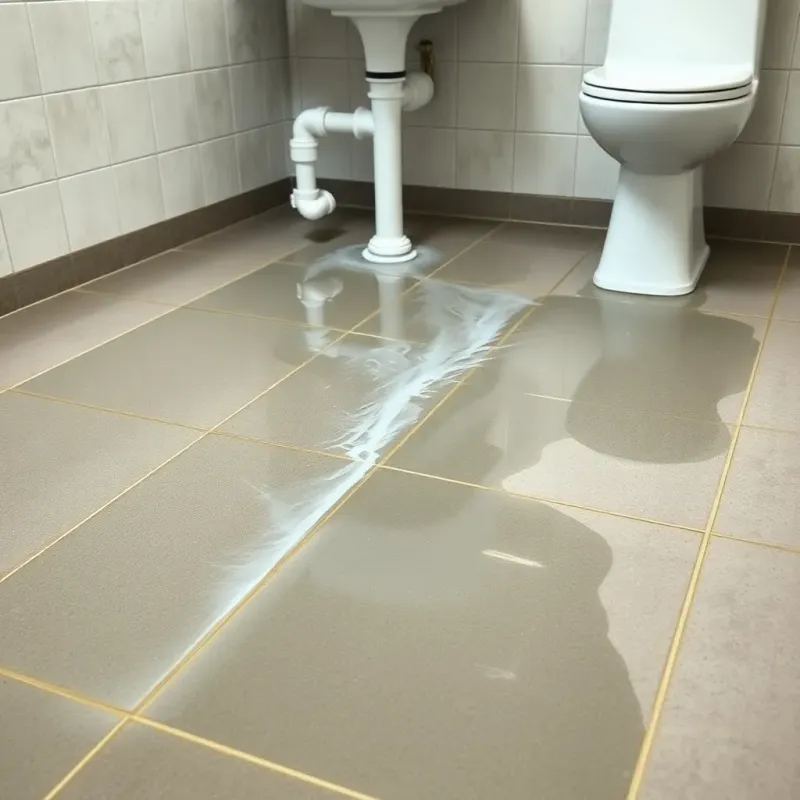
In insurance terminology, “water damage” refers to sudden, unexpected water intrusion from internal sources or weather events that affect structures. This includes burst pipes, malfunctioning appliances, roof leaks from storms, and overflowing gutters.
For a complete overview of homeowners insurance coverage for water damage, review your policy details carefully. Homeowners insurance covers water damage from these sources.
What Insurance Defines as “Flood Damage”
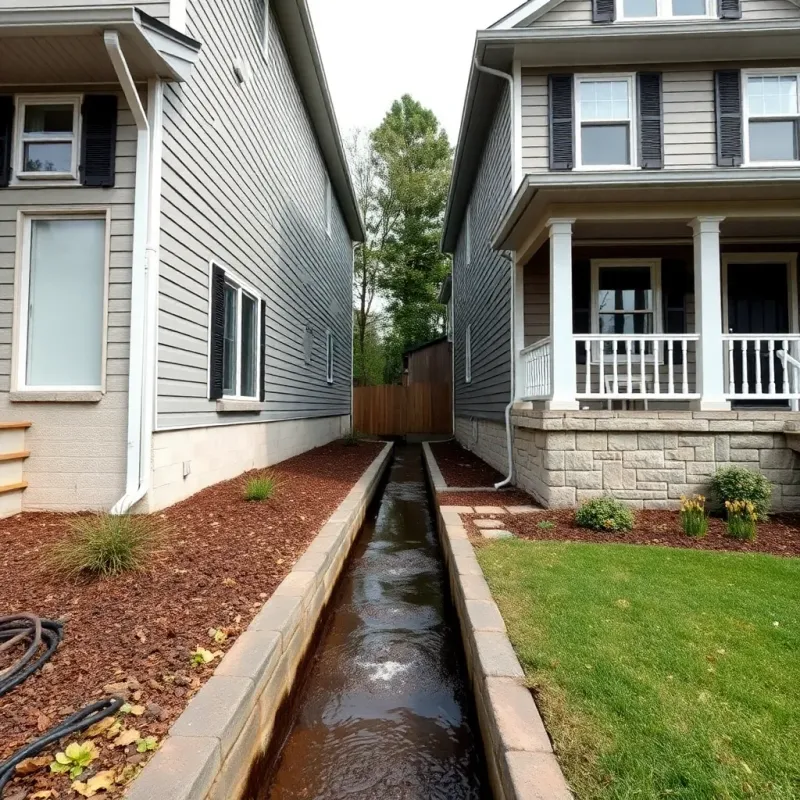
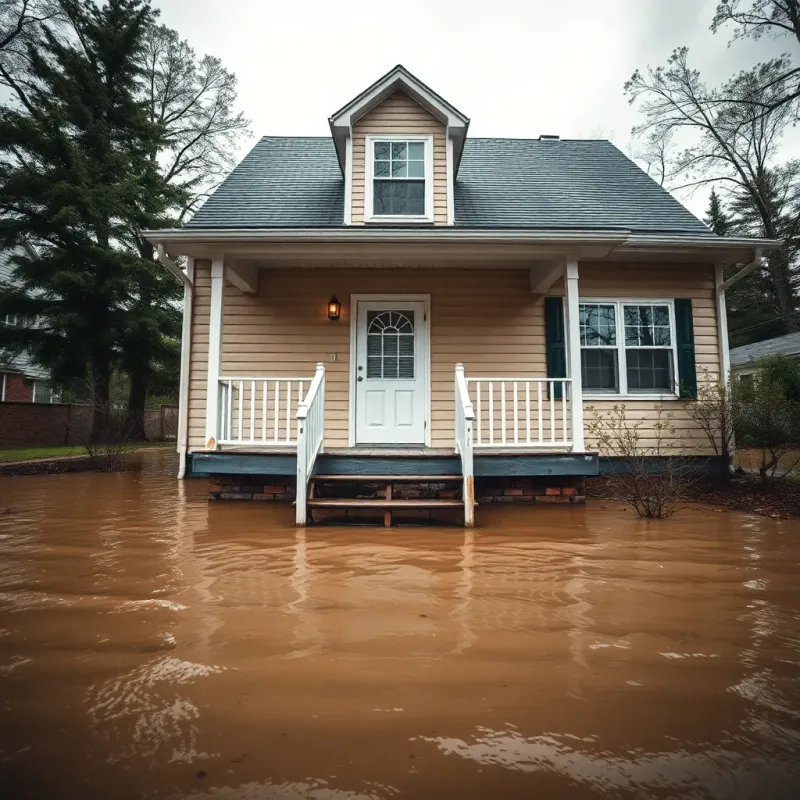
“Flood damage” in insurance terms means surface water or water from natural sources that overflows. This specifically includes: flooding from rivers or creeks, storm surge from hurricanes, heavy rainfall causing yard flooding, and overflowing streams.
Flood damage is explicitly excluded from standard homeowners insurance policies.
Why the Distinction Matters
This legal distinction exists because flood risk varies dramatically by location and is unpredictable across entire regions. Homeowners insurance is designed for individual property risks, not catastrophic regional flooding. Flood insurance pools risk differently because it’s a federal program covering properties in flood-prone areas.
The distinction means identical water damage scenarios receive completely different coverage depending on what caused the water.
What Standard Homeowners Insurance Actually Covers
Burst and Frozen Pipes
Water damage from burst pipes—whether from freezing, age, or pressure—is covered under standard homeowners insurance. This is one of the most common water damage claims.
Frozen pipe damage is covered in most policies, though coverage details vary.
Appliance Leaks and Failures
Washing machine hoses bursting, water heater failures, dishwasher leaks, and refrigerator line ruptures are covered. Even if the appliance is old and maintenance was neglected, sudden failure is typically covered.
However, gradual leaks that could have been noticed with maintenance may be denied.
Roof Leaks from Storms
Water entering through the roof during heavy rain or hail storms is covered. This is considered weather-related sudden water damage rather than flood damage.
Roof leaks from poor maintenance or missing shingles noticed before storms may be excluded.
Sink, Toilet, and Drain Overflows
Plumbing backups and overflows are covered if they result from sudden failure. Sewer line ruptures that cause backups are typically covered under water damage provisions.
However, sewage backup coverage is often limited or excluded unless you have a specific rider.
HVAC Condensation and Malfunctions
Water from air conditioning condensation lines, overflowing drain pans, or humidifier leaks is covered. These are considered sudden malfunctions rather than maintenance issues.
Regular HVAC maintenance helps prove sudden failure versus gradual degradation.
Sprinkler System Failures
Burst sprinkler lines or heads causing water damage are covered under water damage insurance. Homeowners often don’t realize this coverage applies to outdoor systems.
Winterization and maintenance failures may limit coverage.
What Requires Separate Flood Insurance (NOT Covered)
Heavy Rainfall and Yard Flooding
Even heavy rains that cause water to collect in your yard and seep into basements are considered “flood damage” in insurance terms. If water overwhelms your drainage system, it’s a flood—not covered by homeowners insurance.
From my experience working alongside adjusters on hundreds of claims, this distinction surprises almost every homeowner I meet. People assume “water is water,” but the insurance industry does not see it that way.
River, Creek, and Stream Flooding
Any natural waterway overflowing onto your property is flood damage. As climate change increases extreme weather, more homeowners experience flooding from waterways they never thought would overflow.
Flood damage from any natural water source requires flood insurance.
Storm Surge
Hurricane and tropical storm surge is explicitly flood damage. Water pushed inland by coastal storms is covered under flood insurance only, not homeowners insurance.
Coastal homeowners in surge zones absolutely need flood insurance.
Rapid Snowmelt
Large-scale flooding from rapid snow melt is technically flood damage and not covered by homeowners insurance. Unlike roof leaks from snow/ice, surface water spreading across neighborhoods is flooding.
Climate patterns increasingly cause extreme snowmelt flooding.
Sewer Backups (Usually)
Most homeowners insurance excludes damage from sewer or drain backups unless you purchase an additional rider. This is a critical coverage gap since sewer backups are increasingly common in heavy rain.
Sewer backup coverage is inexpensive and highly recommended.
Groundwater and Seepage
Water seeping into basements from groundwater, underground springs, or saturated soil is excluded. This is technically “flood” damage even if no visible flooding occurred.
Groundwater seepage is a major coverage exclusion for many homeowners.
NFIP Flood Insurance vs Private Flood Insurance
National Flood Insurance Program (NFIP)
The NFIP is the federal flood insurance program available in most communities. Rates are standardized based on flood zone, and coverage limits are federal mandates. NFIP policies are reliable and widely available through private agents.
NFIP covers up to $250,000 on homes and $100,000 on contents.
Private Flood Insurance
Private insurers now offer flood policies competing with NFIP. These policies sometimes offer higher limits, better rates, and more flexible underwriting.
Private flood insurance has grown rapidly as an alternative to federal flood programs.
Coverage Differences
NFIP policies don’t cover living expenses if you must evacuate, while some private policies do. Private policies may offer higher deductibles options and coverage limits. NFIP has standardized rates regardless of individual property risk, while private insurers adjust rates based on detailed risk assessment.
Private flood insurance isn’t universally available—availability depends on your area.
Cost Considerations
NFIP rates are often cheaper than private flood insurance for high-risk properties but may be more expensive for low-risk properties. Private insurers may offer discounts for risk mitigation measures that NFIP doesn’t consider.
Shopping between NFIP and private carriers can save hundreds annually.
Quick Comparison: Water Damage vs Flood Damage Insurance
Here is a side-by-side comparison to help you understand the key differences at a glance:
| Factor | Water Damage (Homeowners Insurance) | Flood Damage (Flood Insurance) |
|---|---|---|
| What It Covers | Burst pipes, appliance leaks, roof leaks, HVAC failures | Rising water from storms, rivers, storm surge, heavy rainfall |
| Policy Type | Standard homeowners insurance | Separate flood policy (NFIP or private) |
| Typical Premium | Included in homeowners premium | $400-$7,000+/year (separate) |
| Coverage Limit | Varies by policy ($10,000-$250,000+) | NFIP: $250,000 structure / $100,000 contents |
| Waiting Period | Immediate (part of existing policy) | 30 days from purchase date |
| Claim Processing | 2-4 weeks typical | 4-8 weeks typical |
| Common Exclusions | Gradual leaks, poor maintenance, negligence | Wind damage (covered by homeowners), temporary housing |
| Sewer Backup | Requires separate rider ($50-$100/year) | Not covered |
Grey Area Scenarios: The Complicated Cases
Storm Surge vs Wind-Driven Rain
Storm surge (water pushed by ocean winds) is flood damage. However, wind-driven rain entering through roof or walls during a hurricane IS covered under homeowners insurance if it enters above ground level. Water that pools on the ground and then seeps inside is flood damage.
The exact entry point determines coverage.
Basement Seepage After Heavy Rain
If your basement seeps after heavy rains, this is technically flood damage (surface water or groundwater) and not covered by homeowners insurance. However, if seepage results from a sudden pipe burst triggered by water pressure, it might be water damage.
The cause of seepage determines whether it’s covered. In multi-unit situations, understanding third-party water damage claims adds additional complexity.
Sewer Backup vs Pipe Rupture
Sewer backup from backup-up sewage is excluded unless you have a rider. However, if a sewer line ruptures and floods your basement, that’s water damage from pipe failure—which IS covered.
Again, the cause determines coverage.
Failed Sump Pump
If your sump pump fails during heavy rain and your basement floods, this presents an interesting scenario. The heavy rain is technically flooding (not covered), but pump failure is appliance failure (covered). Most insurers cover sump pump failure but NOT the resulting flood damage.
Coverage is complex and policy-specific.
Ice Dam Water Intrusion
Water entering through ice dams on roofs is often covered as roof leak damage. However, water pooling under ice before seeping in may be classified as flooding depending on how water entered.
Documentation of water entry point is critical.
How to Determine Which Coverage You Need
Step 1: Identify Your Property’s Flood Risk
Use FEMA flood maps (fema.gov/flood/map) to determine your property’s flood zone. Properties in Special Flood Hazard Areas (SFHA) have significantly elevated flood risk.
Even properties outside designated flood zones can experience flooding. Consider implementing preventative measures to reduce flood risk regardless of your flood zone designation.
Step 2: Review Your Homeowners Insurance Water Damage Clause
Request your policy’s water damage section. Note what’s covered, what’s excluded, and what riders you have. Most homeowners have never read this section.
Understanding your actual coverage is essential.
Step 3: Assess Local Flooding Risk
Has your area experienced significant flooding in the past 20 years? Is your property in a low-lying area? Are you near natural waterways or drainage areas?
Historical flooding patterns predict future risk.
Step 4: Check for Groundwater Issues
Have you noticed seepage, dampness, or moisture issues in your basement? Groundwater problems indicate future risk.
Groundwater issues are uninsurable under homeowners policies.
Step 5: Evaluate Sewer Backup Risk
Are you on a public sewer system prone to backups during heavy rain? Older urban areas and areas with combined sewers have elevated backup risk.
Sewer backup riders are inexpensive given the potential damage.
Step 6: Consult Your Insurance Agent
Discuss your specific situation with your agent. They can explain your coverage, recommend riders, and help you understand gaps.
Most agents will explain flood insurance options if asked directly.
Cost of Flood Insurance
NFIP Flood Insurance Premiums
NFIP rates range from $400-$7,000+ annually depending on flood zone. High-risk zones (VE zones) pay premiums 3-5 times higher than moderate risk areas.
Rates are standardized by FEMA flood data, not individual property assessment.
Private Flood Insurance Premiums
Private flood premiums often start lower but vary widely. Some properties pay $200-$400 annually, while high-risk properties pay $3,000+.
Private insurers use more detailed risk assessment than NFIP.
What Affects Premium Costs
Flood zone designation is the primary factor. Secondary factors include property elevation, proximity to water, flood history, and mitigation measures you’ve implemented (elevation, barriers, etc.).
Elevation and flood barriers can reduce premiums significantly.
How Water Damage vs Flood Damage Claims Work
Filing a Water Damage Claim
Report the loss immediately to your homeowners insurance company. Provide documentation of sudden failure (burst pipe, appliance malfunction, storm damage). Your insurer assigns an adjuster who investigates the water source and damage extent.
Water damage claims are usually processed quickly if cause is clear.
Filing a Flood Damage Claim
If you have flood insurance, notify your flood insurer immediately. Provide documentation showing water reached your property (photos, neighbors’ testimony). Flood claims are more thoroughly investigated because flood fraud is common.
Flood claims require more extensive documentation than water damage claims.
The 30-Day Rule
Most flood insurance policies require that you apply for coverage at least 30 days before it takes effect. You cannot purchase flood insurance after flood damage has occurred and expect coverage.
This strict deadline makes advance planning essential.
Waiting for Claim Decisions
Water damage claims are typically decided within 2-4 weeks. Flood damage claims may take 4-8 weeks. Complex claims with significant damage take longer in both categories.
Begin the claims process immediately after damage is documented. For detailed guidance, see our walkthrough of the water damage claims process.
Real-World Scenarios: Water Damage vs Flood Damage
Scenario 1: Heavy Rain and Basement Water
Situation: Heavy rainfall causes water to seep into basement walls.
Coverage: This is flood damage—NOT covered by homeowners insurance. If groundwater is entering, you need groundwater coverage (limited availability) or flood insurance.
Lesson: Sump pump failure during heavy rain is NOT covered under homeowners insurance.
Scenario 2: Burst Pipe During Freezing Temperatures
Situation: A water pipe freezes and ruptures inside an exterior wall, causing significant water damage.
Coverage: Covered under homeowners insurance as sudden water damage from pipe failure. Flood damage exclusion doesn’t apply.
Lesson: Even if freezing caused the rupture, it’s water damage not flood damage.
Scenario 3: Hurricane Storm Surge
Situation: Hurricane storm surge floods your coastal property, causing extensive damage to first floor.
Coverage: Not covered by homeowners insurance—this is flood damage requiring flood insurance. Homeowners insurance may cover wind damage to the roof, but water damage from surge requires flood insurance.
Lesson: Coastal homeowners with inadequate flood insurance face catastrophic losses.
Scenario 4: Roof Leak During Storm
Situation: Heavy rain finds gaps in roof shingles and water leaks into attic and upper floors.
Coverage: Covered under homeowners insurance as roof leak damage from weather. This is water damage, not flood damage.
Lesson: Water entering above ground from external damage is water damage even if caused by heavy rain.
Scenario 5: Sewer Backup After Heavy Rain
Situation: Heavy rain overwhelms public sewers, causing backed-up sewage into basement.
Coverage: Standard homeowners insurance excludes sewer backup—NOT covered unless you have sewer backup rider. Rider usually has $5,000-$10,000 limit.
Lesson: Sewer backup riders are essential in areas with combined sewer systems.
Scenario 6: Appliance Leak Found Gradually
Situation: A slowly leaking water heater goes unnoticed for weeks, causing basement damage.
Coverage: Likely denied. Insurers argue you should have noticed gradual seeping during routine maintenance. The longer you ignore obvious seeping, the more likely denial.
Lesson: Immediate repair of small leaks prevents both damage and claim denial.
Critical Insurance Considerations
Read Your Policy Carefully
Most homeowners never read their actual policies. Your specific policy language determines coverage more than general insurance industry practices. Here’s what I always recommend to clients: sit down for 20 minutes and read your policy’s water damage exclusions section. I know it is boring, but those paragraphs could be worth $50,000 or more to you when disaster strikes.
Request a full copy of your policy and the water damage section specifically.
Understand Your Deductibles
Different perils may have different deductibles. Water damage might have a 1% deductible (percentage of home value) while wind damage has a standard deductible. Flood insurance has separate deductibles.
Understand your deductible obligations before filing claims.
Document Everything
Photos, videos, purchase receipts, and repair quotes strengthen claims. For water damage, document the cause (burst pipe, appliance failure, storm damage). A trick I learned early in my career from working with insurance adjusters: take a video walking through the damage while narrating what happened, when you noticed it, and what you see. Adjusters have told me that a clear narrated video is worth more than 50 still photos when it comes to approving claims.
Documentation is essential for both water and flood damage claims.
Act Quickly
Most policies require prompt notice of losses. Delays suggest the damage was known but ignored, which may result in claim denial.
Notify insurers within days of discovering damage.
Know Your Coverage Limits
Most homeowners insurance limits coverage for water damage to specific amounts ($10,000-$25,000). Your flood insurance has separate limits.
Understand what your insurance will actually pay.
FAQ: Water Damage vs Flood Damage Insurance
Does my homeowners insurance cover water damage in my basement? It depends on the water source. Water from a burst pipe, appliance leak, or roof damage is covered. Water from flooding (heavy rain, groundwater, overflowing waterways) is NOT covered and requires flood insurance. You must identify the water source to know if coverage applies.
What if my sump pump fails during heavy rain and my basement floods? Most homeowners insurance covers sump pump failure but NOT the resulting flood water damage. The pump failure is covered, but the water intrusion from flooding is your responsibility unless you have flood insurance. This is a common surprise for homeowners.
Is sewer backup covered by homeowners insurance? Standard policies exclude sewer backup damage. You need a sewer backup rider (usually $5,000-$10,000 coverage) to be covered. Riders cost $50-$100 annually and are highly recommended for homes on public sewer systems.
Do I need flood insurance if I’m not in a flood zone? Yes, you can still experience flooding outside designated flood zones. About 20% of flood damage occurs in low-risk areas. Additionally, mortgage companies may require it if you’re in an area your lender considers elevated risk.
How long does flood insurance take to take effect? Standard flood insurance has a 30-day waiting period before coverage begins. You must apply today for coverage next month. You cannot apply during a flood watch or after flooding has started.
Final Thoughts
The distinction between water damage and flood damage is the most consequential misunderstanding in homeowners insurance. The difference is binary: you’re either covered or you’re facing total loss of potentially $100,000+ in damage.
Don’t learn this distinction after disaster strikes. Review your homeowners policy today, understand what water damage IS and IS NOT covered, and evaluate whether flood insurance protects your situation. If you’re in any area that’s experienced flooding in the past 30 years, or in any low-lying area near waterways, flood insurance is essential.
The cost of adequate flood insurance is insignificant compared to the catastrophic loss you face without it. Protect your home and your financial security through understanding water damage vs flood damage coverage and ensuring appropriate protection.
Disclaimer: This article is for informational purposes only and does not constitute professional advice. Every water damage situation is unique. Always consult a licensed contractor or restoration professional for your specific situation. If you’re dealing with an emergency, contact your local restoration company immediately.