Mold After Water Damage: How Fast It Grows and How to Prevent It
The biggest mistake I see homeowners make with mold is treating it like something that might happen later. It does not work that way. I have walked into homes just three days after a pipe burst and found fuzzy green colonies already spreading across the back of drywall. Three days. That experience fundamentally changed how I approach every water damage job — mold prevention is not step five or six in the process; it is step one.
Within just 24-48 hours of water exposure, mold begins colonizing wet materials. By one week, you may have extensive mold growth hidden inside walls, under flooring, and in insulation. This timeline is why prevention strategies must start immediately after any water damage occurs. Understanding how to prevent mold after water damage could save your health and your home.
Key Takeaway: You have a 24-48 hour window to prevent mold after water damage. Once that window closes and colonies establish, you are no longer dealing with prevention — you are dealing with remediation, which costs 5-10 times more.
The Critical 24-48 Hour Window
Mold from water damage doesn’t wait. Scientific research confirms that mold spores germinate and begin growing within one to two days of water exposure. This isn’t theoretical—it’s biological fact that applies to every water damage situation.
The first 48 hours are your intervention window. After 48 hours, mold colonies establish themselves and become exponentially harder to contain. This urgency explains why water damage professionals emphasize immediate action over “wait and see” approaches.
The Timeline: How Mold Grows After Water Damage
Hours 0-6: Water Saturation
Water penetrates porous materials (drywall, wood, carpet, insulation) and begins saturating them. Materials feel wet to the touch, and smell may not yet be apparent.
At this stage, water removal and drying equipment can still prevent mold entirely if deployed immediately.
Hours 6-24: Moisture Absorption
Water continues migrating deeper into materials. Humidity rises in affected areas, creating the moist environment mold spores need.
Discoloration may begin appearing. The air may smell slightly musty.
Hours 24-48: Mold Germination Begins
Mold spores present in the environment begin germinating and developing into microscopic colonies. You won’t see visible mold yet, but it’s actively growing.
This is the critical intervention point. Professional drying at this stage can still prevent visible mold.
Days 2-7: Colony Establishment
Visible mold appears as fuzzy growth on surfaces. Colonies spread rapidly across materials. The musty smell becomes obvious.
Mold from water damage reaches problematic levels quickly once colonies are visible.
Weeks 2+: Severe Infestation
Extensive mold growth throughout the affected area. Materials become discolored, soft, and structurally compromised. Health effects intensify.
Remediation becomes significantly more complex and expensive.
Types of Mold Common After Water Damage
Black Mold (Stachybotrys)
Black mold is the most concerning mold type after water damage. It thrives in persistently wet environments and produces toxins (mycotoxins) that cause severe health effects.
Black mold growth is particularly aggressive and spreads rapidly when conditions are favorable.
Green Mold (Aspergillus, Penicillium)
Green or blue-green mold varieties are common in water-damaged homes. While less toxic than black mold, they still cause respiratory problems and allergic reactions.
These molds spread quickly and are harder to contain once established.
White Mold (Aspergillus, Humicola)
White fuzzy growth often appears on wood, drywall, and insulation. White mold after water damage is frequently overlooked because homeowners don’t recognize it as mold.
Don’t underestimate white mold—it’s equally problematic as darker varieties.
Pink Mold (Serratia Marcescens)
Though not technically mold (it’s a bacterium), pink slime growth appears after water damage and indicates excessive moisture. It’s particularly common in bathrooms and basements.
Pink growth signals that humidity remains dangerously high.
Mold Types Comparison: What You Need to Know
Here is a quick reference table for the most common mold types found after water damage:
| Mold Type | Appearance | Where It Grows | Health Risk Level | Key Concern |
|---|---|---|---|---|
| Black Mold (Stachybotrys) | Black, slimy | Persistently wet drywall, wood, insulation | Severe | Produces mycotoxins; causes neurological and respiratory damage |
| Green Mold (Aspergillus) | Green, powdery | Walls, ceilings, HVAC systems | Moderate-High | Triggers severe allergic reactions and respiratory infections |
| Green-Blue Mold (Penicillium) | Blue-green, velvety | Carpet, wallpaper, insulation | Moderate | Spreads fast; causes chronic sinus and lung problems |
| White Mold (various species) | White, fuzzy | Wood, drywall, concrete | Moderate | Often mistaken for efflorescence; easily overlooked |
| Pink Mold (Serratia Marcescens) | Pink-orange, slimy | Bathrooms, tile grout, shower areas | Low-Moderate | Technically a bacterium; indicates dangerous humidity levels |
Health Risks: Why Mold After Water Damage Matters
Respiratory Problems
Mold spores inhaled daily cause coughing, wheezing, shortness of breath, and bronchitis. People with asthma experience severe symptom escalation from mold exposure.
Children and elderly residents are particularly vulnerable to respiratory mold effects.
Allergic Reactions
Mold triggers allergic reactions including sneezing, runny nose, itchy eyes, and skin rashes. Continued exposure can develop allergies in people who weren’t previously sensitive.
Allergic reactions often worsen with prolonged mold exposure.
Mycotoxin Poisoning (Black Mold)
Black mold produces mycotoxins that accumulate in your body and cause serious health effects: headaches, neurological problems, immune suppression, and chronic fatigue.
Mycotoxin exposure is particularly dangerous for children.
Infections and Immune Suppression
Mold compromises immune function, making residents more susceptible to infections. Some mold types trigger fungal infections in vulnerable individuals.
Immunocompromised individuals face severe risks from any mold exposure.
Step-by-Step Mold Prevention After Water Damage
Step 1: Stop Water at the Source (0-6 Hours)
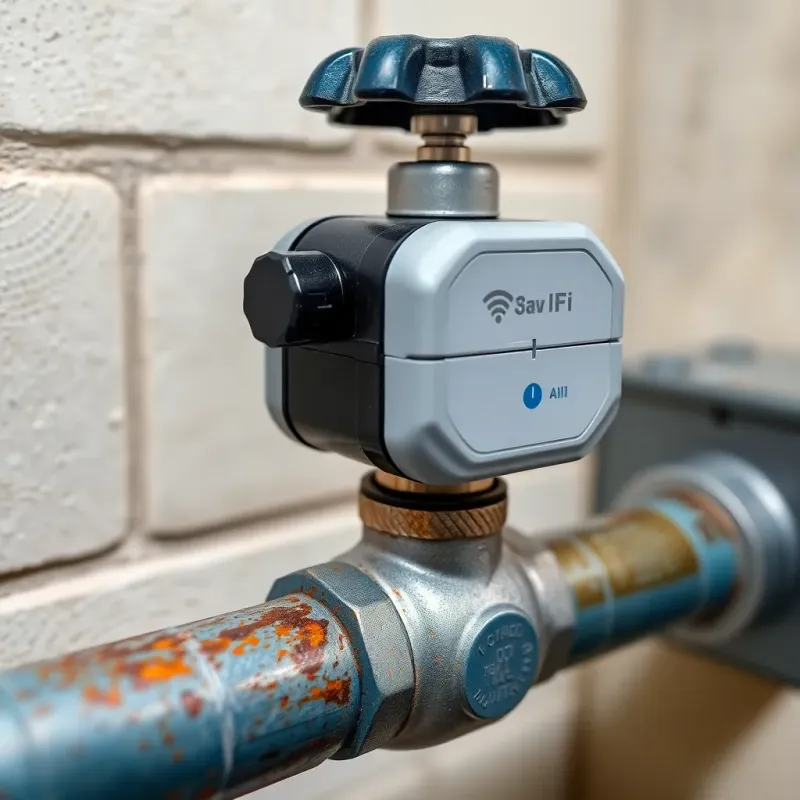
Identify what caused the water damage and stop it immediately. A burst pipe needs shutoff. A roof leak needs temporary tarping. Sump pump failure needs backup power or repair.
You cannot prevent mold if water continues entering.
Step 2: Remove Standing Water (0-12 Hours)
Pump out or extract all standing water using submersible pumps, wet vacuums, or professional extraction equipment. Water pooled on floors and in low areas accelerates mold growth.
Don’t let water sit while waiting for professionals—start removal immediately.
Step 3: Remove Saturated Absorbent Materials (12-24 Hours)
Wet carpet, padding, insulation, and drywall must be removed. These materials retain moisture too effectively and cannot dry completely in place. From my experience, this is the step where most homeowners hesitate — nobody wants to rip out carpet or cut into drywall. But I can tell you that every single time I have seen a mold problem spiral out of control, it was because saturated materials were left in place “to dry on their own.”
Leaving wet materials “to dry” is the primary cause of mold problems after water damage.
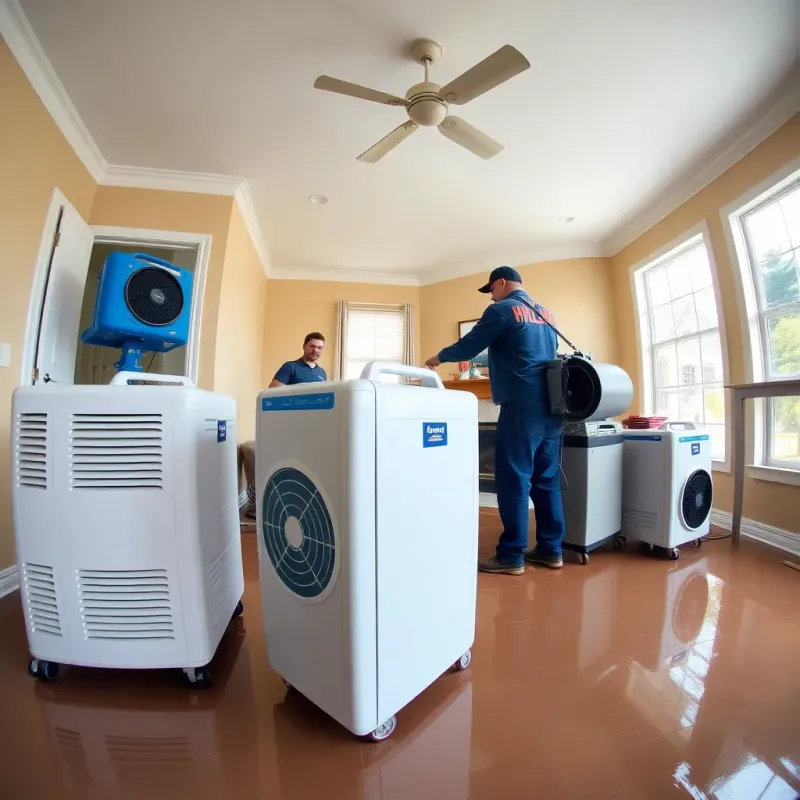
Step 4: Deploy Industrial Drying Equipment (0-48 Hours)
Professional-grade dehumidifiers and air movers must run continuously. Consumer-grade equipment cannot achieve the drying speed necessary to prevent mold.
Equipment should run for 48-72+ hours depending on damage extent.
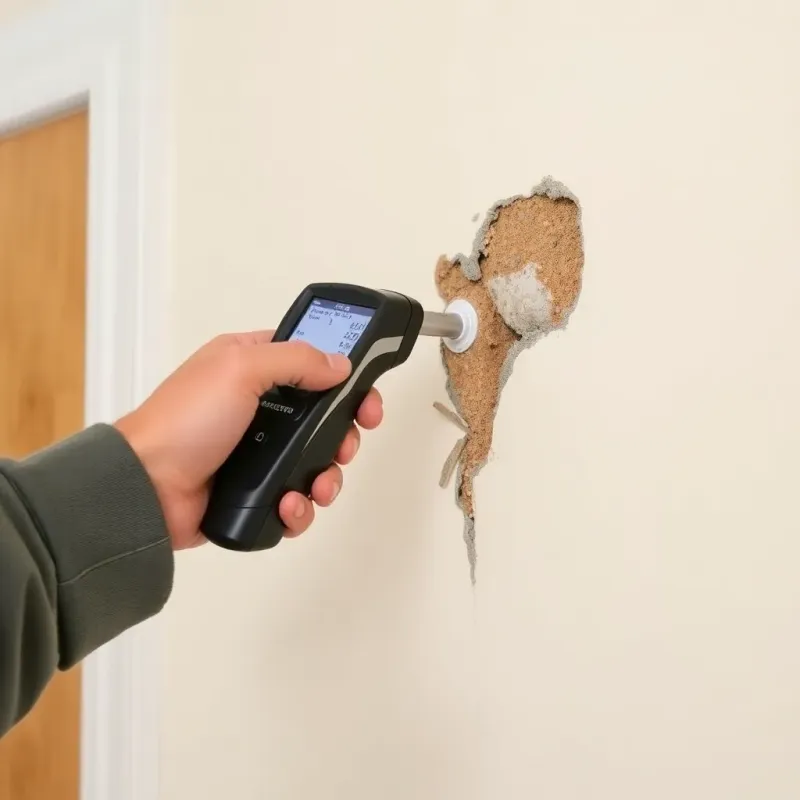
Step 5: Monitor Moisture Levels (Ongoing)
Moisture meters should show readings below 17% in all affected materials. Continue monitoring for 2-3 weeks to ensure moisture doesn’t rebound as hidden water migrates outward. Here’s what I always recommend to clients: do not stop monitoring just because things “feel dry.” I have seen moisture readings spike back up 5-7 days after initial drying because trapped water slowly migrated through the materials.
Moisture rebound is common — ongoing monitoring catches problems early.
Step 6: Establish Ventilation and Airflow
Open windows, use fans, and ensure air circulates through affected areas. Stagnant air prevents drying and promotes mold.
Continuous ventilation is essential during the first week after water damage.
Step 7: Apply Antimicrobial Treatment
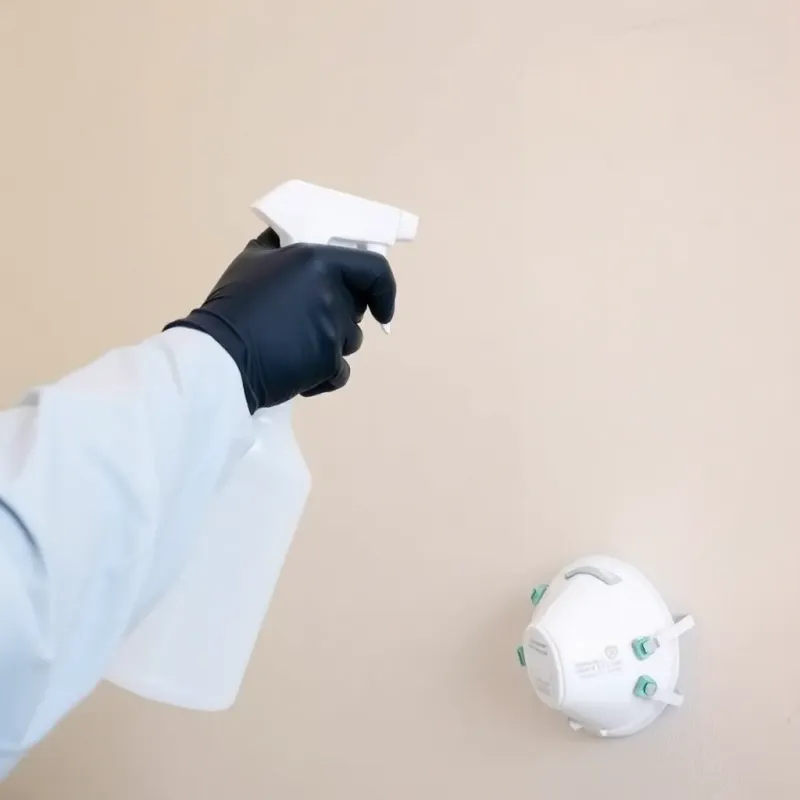
Professional-grade antimicrobials applied to remaining materials suppress mold germination during the critical 24-48 hour window.
Note: Antimicrobial treatment prevents mold growth but doesn’t replace removal of saturated materials.
Step 8: Manage Humidity Levels
Maintain indoor humidity below 50% using dehumidifiers and air conditioning. High humidity enables mold growth even if materials feel dry to the touch.
Humidity control is your ongoing defense against mold from water damage.
When Professional Mold Remediation Is Needed
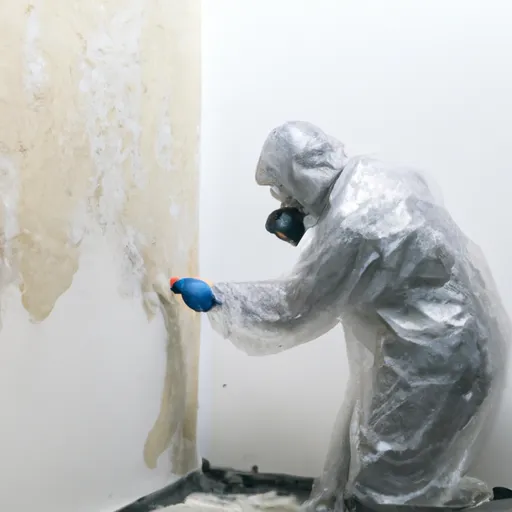
Visible Mold Growth
Any visible mold requires professional remediation. Mold that’s visible has been growing for days and extends into hidden areas.
Professional removal prevents spore spread and ensures thorough remediation.
Large Water Damage (>100 sq ft)
EPA guidelines recommend professional mold remediation for water-damaged areas larger than 100 square feet. This size indicates potential widespread mold colonization.
Large areas have too many hidden mold locations for DIY prevention.
Contaminated Water Sources
Water from sewage, flooding, or contaminated sources can contain harmful bacteria and pathogens alongside mold. Professional remediation prevents disease transmission.
Never attempt to clean contaminated water damage yourself.
HVAC System Contamination
If water entered HVAC ducts, attics, or crawl spaces, professional remediation is necessary. These hidden areas foster aggressive mold growth.
HVAC contamination spreads mold throughout your entire home.
Health Symptoms Present
If residents already show mold-related symptoms (respiratory problems, allergies, fatigue), professional remediation is justified regardless of damage size.
Continued exposure worsens health effects.
DIY Mold Prevention vs Professional Remediation
What You Can Do
For very minor water damage caught within hours, immediate water removal plus industrial drying equipment can prevent mold entirely. DIY fans and standard dehumidifiers won’t work—you need professional-grade equipment rental.
Small leaks caught early before mold appears can be prevented through aggressive drying.
What Requires Professionals
Any water damage visible after 12 hours, any damage covering more than a few square feet, and any situation where mold is already visible requires professional remediation. Professionals have equipment, expertise, and training that homeowners lack.
Professional remediation includes mold prevention, containment, and treatment.
The Risk of Attempting DIY Mold Prevention
Incomplete drying leaves residual moisture that triggers hidden mold growth weeks later. Disturbing moldy materials during removal spreads spores throughout your home. Poor ventilation traps moisture and accelerates mold.
Most DIY attempts make mold problems worse, not better.
Cost of Mold Remediation After Water Damage
Minor Mold Remediation ($1,000-$3,000)
Small areas (single rooms, under 100 sq ft) with early-stage mold can be remediated for $1,000-$3,000. This includes professional assessment, containment, mold removal, and treatment.
Early detection and remediation keeps costs manageable.
Moderate Mold Remediation ($3,000-$7,000)
Multiple rooms or larger areas (100-500 sq ft) with established mold colonies require $3,000-$7,000 remediation. This includes additional containment, more extensive removal, and HVAC treatment.
Most water damage scenarios fall into this range.
Extensive Mold Remediation ($7,000-$25,000+)
Large-scale mold contamination (500+ sq ft), HVAC system involvement, or structural damage requires $7,000-$25,000+. Extensive remediation involves removing drywall, replacing framing, and rebuilding systems.
Professional prevention prevents escalation to this cost level.
Drying Equipment Rental ($500-$1,500)
Professional-grade dehumidifiers and air movers rent for $500-$1,500 for 48-72 hours. Many water damage companies include equipment in their service packages. See our mold remediation cost guide for detailed pricing by damage severity.
Early equipment deployment is the most cost-effective prevention strategy.
Insurance Coverage for Mold After Water Damage
What Homeowners Insurance Typically Covers
Mold remediation is covered if it results directly from an insured water damage source (burst pipes, roof leaks, appliance failure). The policy usually covers both water damage restoration and secondary mold remediation.
Coverage applies if you file a claim promptly and the mold results from sudden water damage.
What Insurance Won’t Cover
Mold from gradual leaks, poor maintenance, flooding, or high humidity isn’t covered. Insurers won’t pay if you delayed addressing water damage—they expect immediate action to prevent mold.
Insurance favors proactive prevention over reactive remediation.
The “Water Damage Mold Exception”
Some policies limit mold coverage to a specific dollar amount regardless of actual costs. Read your policy carefully—you may need additional mold coverage riders.
Many homeowners discover their mold coverage is insufficient when claims arise.
Documentation That Matters
Photos showing the timeline (water damage, then mold appearance) strengthen insurance claims. Our guide on how to document water damage for insurance covers best practices for this process. Professional assessment reports documenting how mold resulted from insured water damage are critical.
Insurers deny claims when causation isn’t clearly documented.
Long-Term Mold Prevention Strategies
Control Humidity Year-Round
Maintain indoor humidity between 30-50% using dehumidifiers, air conditioning, and ventilation. High humidity enables mold growth even without active water damage.
Consistent humidity control is your strongest ongoing defense. A trick I learned early in my career: buy a cheap hygrometer for every level of your home and check them weekly. It takes 10 seconds and gives you an early warning system that catches humidity problems before mold ever gets a foothold.
Fix Leaks Immediately
Any dripping, seeping, or sweating pipes require immediate repair. Small leaks cause major mold problems over weeks.
Never postpone plumbing repairs.
Improve Ventilation
Bathrooms and kitchens need exhaust fans venting outside. Ensure gutters drain away from foundations. Attics and crawl spaces need adequate ventilation.
Poor ventilation creates the humid environments mold thrives in.
Inspect Regularly
Check basements, crawl spaces, and attics for moisture or mold monthly. Early detection prevents widespread problems.
Regular inspection catches issues before mold develops.
Use Mold-Inhibiting Materials
When rebuilding after water damage, choose mold-resistant drywall, insulation, and flooring. These materials inhibit mold growth and provide extra protection.
Mold-resistant materials cost slightly more but provide long-term protection.
FAQ: Mold After Water Damage
How quickly does mold grow after water damage? Mold begins germinating within 24 hours and establishes visible colonies within 3-7 days of water exposure. This rapid timeline is why immediate action is critical—mold from water damage progresses from invisible to problematic in just days.
Can mold grow in dry materials? No, mold requires moisture to grow. However, “dry” materials may still contain hidden moisture inside where you can’t see it. Materials that feel dry on the surface may retain moisture 1-2 inches deep—creating perfect conditions for hidden mold growth.
What temperature promotes mold growth after water damage? Mold grows fastest between 65-90°F, which is typical indoor temperature. Cold slows mold growth but doesn’t stop it. Keep affected areas at moderate temperature and maintain low humidity for best prevention.
Should I use bleach to prevent mold after water damage? Bleach kills surface mold but doesn’t prevent future growth in wet materials. More importantly, using bleach before mold appears can trigger mold growth. Use antimicrobial treatments designed for prevention or call professionals.
How long does mold remediation take after water damage? Professional remediation typically takes 3-7 days depending on contamination extent. Your home is usually safe to occupy again within 1-2 weeks, though remediation monitoring may continue longer.
Final Thoughts
The mold timeline after water damage is unforgiving: 24-48 hours until growth begins, one week until serious colonization, and permanent health and structural damage if ignored. This urgency is why prevention must begin immediately when water damage occurs.
Don’t risk mold from water damage through delay or DIY attempts. Professional water damage restoration within the first 24 hours prevents the vast majority of mold problems. The investment in immediate professional restoration is insignificant compared to the cost of remediation and the health consequences of mold exposure.
When water damage strikes, treat it as the emergency it is. Prevent mold after water damage through swift, professional action — and protect your home and health.
Disclaimer: This article is for informational purposes only and does not constitute professional advice. Every water damage situation is unique. Always consult a licensed contractor or restoration professional for your specific situation. If you’re dealing with an emergency, contact your local restoration company immediately.