10 Signs of Hidden Water Damage in Walls (Don’t Ignore These)
If there’s one thing I’ve learned in this industry, it’s that the water damage you can’t see is always worse than the water damage you can. I once got called to a home where the only visible problem was a faint musty smell in the hallway. When we opened up the wall, we found mold colonies that had been silently growing for months, running all the way from the bathroom plumbing down to the subfloor. The repair ended up costing the homeowner over $12,000 — and it all started with a pinhole leak in a supply line.
By the time you spot obvious signs of water damage in walls, the structural integrity of your home may already be compromised. This guide covers everything you need to know about detecting hidden water damage, what causes it, and why acting quickly matters — straight from someone who has opened up more walls than I can count.
Key Takeaway: Trust your senses. A musty smell, a cold spot on the wall, or a slight discoloration are your early warning system. Catching hidden water damage in the first few weeks can save you thousands compared to discovering it months later.
Why Hidden Water Damage Is So Dangerous
Water trapped inside walls creates the perfect environment for mold growth, structural decay, and electrical hazards. Unlike water damage you can see (like a puddle), signs of water damage in walls develop silently over weeks or months. The longer moisture sits between drywall, insulation, and framing, the more costly repairs become.
Early detection can save you tens of thousands in remediation costs. The key is knowing what to look for.
10 Signs of Hidden Water Damage in Walls
1. Musty Smell (The First Warning Sign)
A persistent musty odor is often the earliest indicator of hidden moisture. This smell comes from mold and mildew growing in spaces you can’t see. From my experience, if a homeowner tells me they smell something “off,” they are right about 9 times out of 10.
If your walls smell like a damp basement but you can’t find standing water, suspect water damage in walls. Trust your nose — it’s detecting something real.
2. Peeling or Bubbling Paint
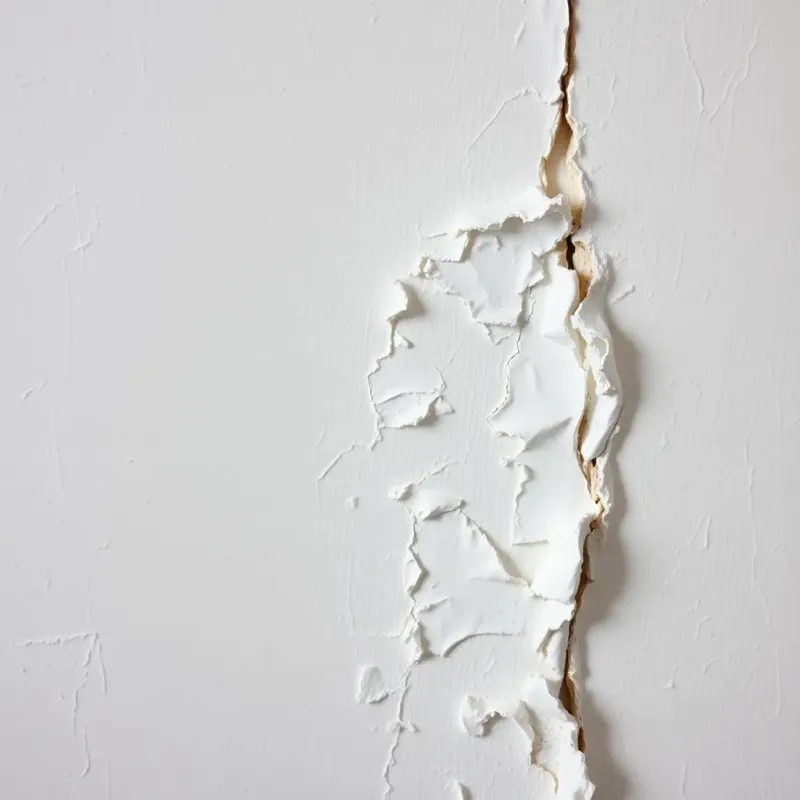
Paint bubbles and peels when moisture pushes from behind the drywall surface outward. This is water’s way of escaping through the only route available.
Peeling paint concentrated in one area suggests localized water damage rather than general humidity. This is an urgent sign that needs investigation.
3. Discoloration and Staining
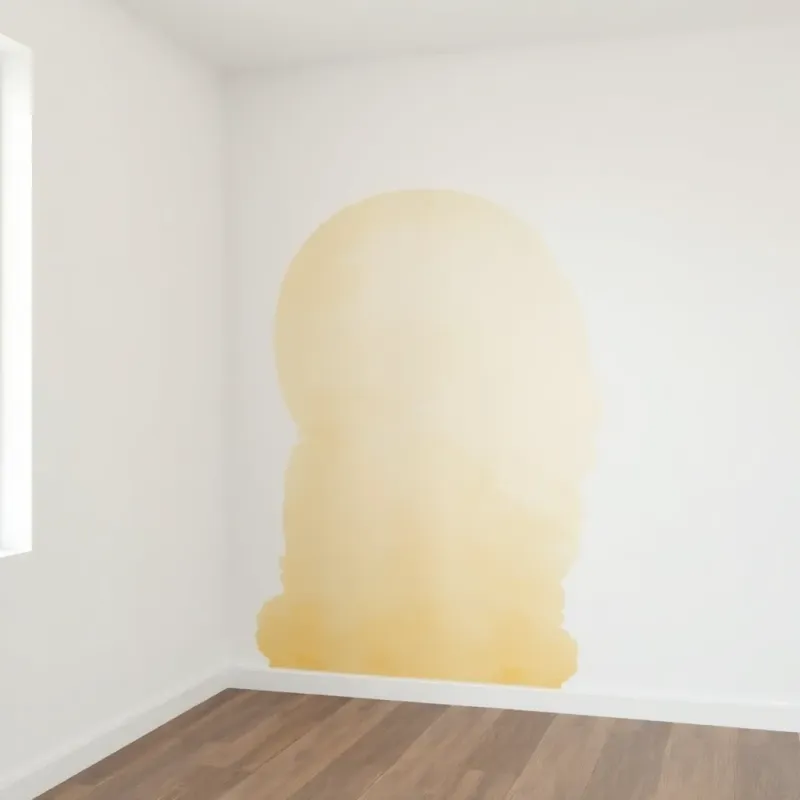
Yellow, brown, or dark patches on walls indicate water has been present long enough to leave stains. These marks often appear in patterns suggesting water flow from above.
Stains that reappear after painting point to ongoing moisture problems—not old damage. The water source is still active.
4. Warped or Buckled Drywall
Swollen, wavy, or warped drywall means the material absorbed significant moisture and lost its structural integrity. The longer moisture persists, the worse the warping becomes.
Even after drying, permanently warped drywall usually needs replacement.
5. Soft Spots in Walls
Press gently on suspicious wall areas. Soft or spongy drywall indicates water saturation—the material is becoming mushy. This is advanced damage requiring immediate attention.
Soft spots mean the drywall is deteriorating and mold growth is likely already underway.
6. Visible Mold Spots
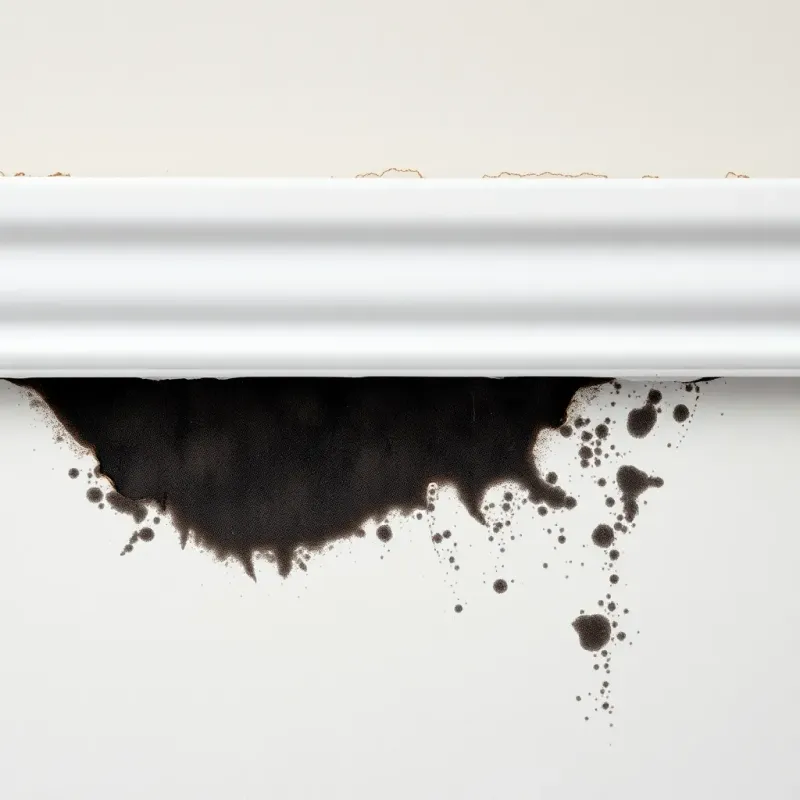
Black, green, or white fuzzy growths on walls or baseboards are mold—a health hazard and sign of significant moisture. Visible mold indicates the problem has progressed beyond the early stages.
Never ignore mold, even small patches. It spreads rapidly and creates serious respiratory risks.
7. Unusually High Water Bills
A sudden spike in your water bill without explanation suggests a hidden leak somewhere in your plumbing. Water damage in walls can result from burst pipes inside walls that leak continuously.
An increase of 25% or more warrants investigation from a plumber.
8. Sounds of Running Water
Hearing water flowing inside walls when no fixtures are running indicates active leaks. This is a critical sign that water damage in walls is happening right now.
Turn off all water-using appliances and listen carefully. If you still hear water, call a professional immediately.
9. Damaged or Rotting Baseboards
Baseboards absorb water from flooding or ground moisture and soften over time. Soft, discolored, or rotting baseboards indicate sustained moisture exposure.
Damaged baseboards are often the first visible structural sign of wall water damage.
10. Bubbling or Peeling Wallpaper
Wallpaper bubbles and separates from walls when moisture builds up behind it. Unlike peeling paint, bubbling wallpaper often develops from slow, ongoing leaks.
This sign frequently appears after recent heavy rain or plumbing problems.
Warning Signs at a Glance: Severity Guide
Use this table to quickly assess how serious the signs you are seeing might be:
| Warning Sign | Severity Level | Urgency | Likely Repair Needed |
|---|---|---|---|
| Musty smell only | Early / Moderate | Investigate within days | Inspection and possible drying ($200-$500) |
| Peeling or bubbling paint | Moderate | Investigate within 1-2 days | Drywall repair ($500-$1,500) |
| Discoloration or staining | Moderate | Investigate within 1-2 days | Source repair + drywall patch ($500-$2,000) |
| Warped or buckled drywall | Significant | Act within 24 hours | Drywall replacement ($1,000-$3,000) |
| Soft spots in walls | Significant | Act within 24 hours | Drywall replacement + mold check ($1,500-$4,000) |
| Visible mold spots | Severe | Act immediately | Professional mold remediation ($2,000-$6,000+) |
| High water bill spike | Variable | Investigate within days | Plumbing repair ($200-$2,000) |
| Sound of running water | Severe | Act immediately | Emergency plumbing repair ($500-$3,000) |
| Rotting baseboards | Significant | Act within 24-48 hours | Baseboard + wall repair ($1,000-$3,000) |
| Bubbling wallpaper | Moderate | Investigate within 1-2 days | Source repair + wall refinishing ($500-$2,000) |
How to Confirm Hidden Water Damage
Before calling contractors, gather evidence to confirm your suspicion.
Moisture Meter Testing
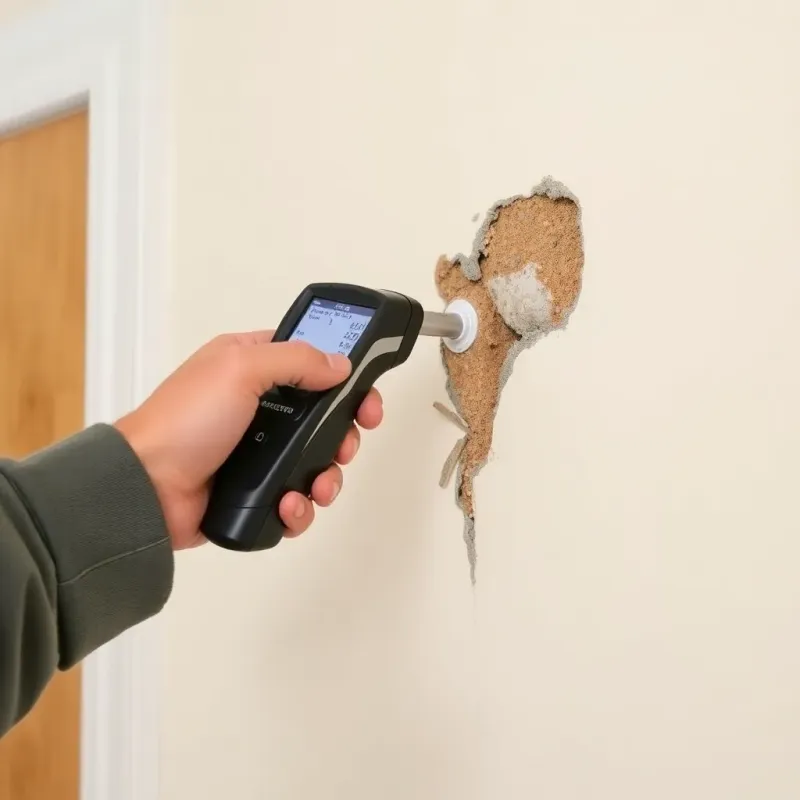
A moisture meter ($20-50) measures dampness in drywall and wood. Hold it against suspected areas to get a reading. Readings above 17% indicate problematic moisture levels. Here’s what I always recommend to clients: buy a basic pin-type moisture meter and keep it in your toolbox. It is the single best $30 investment a homeowner can make for catching water problems early.
Home improvement stores and online retailers sell basic moisture meters.
Thermal Imaging
Professional thermal imaging cameras detect cooler wet areas on walls—moisture absorbs heat differently than dry materials. While more expensive, thermal imaging pinpoints exactly where water damage exists.
Many water damage professionals offer thermal imaging as part of inspections.
Visual Inspection
Look for patterns: Does discoloration follow pipe routes? Does staining appear below bathrooms or kitchens? Does damage concentrate on one wall? Patterns reveal the water source.
Document everything with photos before calling professionals.
The Real Dangers of Ignoring Signs of Water Damage in Walls
Structural Deterioration
Wood framing and drywall lose strength when saturated with water. As these materials weaken, walls can eventually sag, crack, or fail entirely.
Repair costs escalate exponentially the longer damage persists.
Mold Growth and Health Risks
Mold thrives in the warm, moist environment inside walls. Residents develop respiratory issues, allergies, and asthma from exposure—even without seeing the mold.
Black mold particularly produces toxins (mycotoxins) that cause severe health problems.
Electrical Hazards
Water reaching electrical wiring inside walls creates serious fire and electrocution risks. This is an immediate safety concern that demands professional attention.
Never attempt to address electrical water damage yourself.
Pest and Insect Infestation
Moisture attracts termites, carpenter ants, and other wood-destroying insects. These pests accelerate structural decay and create additional damage.
Water damage treatment must include pest prevention.
What to Do When You Find Water Damage in Walls
Step 1: Stop the Source
Identify what’s causing the water intrusion. Is a pipe leaking? Is water entering from outside? Is condensation from HVAC issues? You cannot fix the damage without stopping the source first.
Most homeowner insurance won’t cover ongoing damage from negligence.
Step 2: Document Everything
Take photos and videos of all damage. Note when you first noticed signs. Keep receipts for any temporary repairs. This documentation is essential for insurance claims.
Document the timeline—when damage started, which areas are affected, progression of symptoms.
Step 3: Call a Professional
Water damage in walls requires professional assessment. Learn about water damage restoration costs before contacting contractors. They use moisture meters, thermal imaging, and expertise to determine the full extent of damage.
Get multiple quotes before committing to repairs. A trick I learned early in my career: ask each contractor what their moisture testing process looks like. Any reputable restoration company will do a full moisture map before giving you a quote. If they skip this step, find someone else.
Step 4: Notify Your Insurance Company
File a claim immediately if your insurance policy covers the damage. The longer you wait, the more difficulty you’ll have proving the damage wasn’t pre-existing.
Provide documentation and professional assessment reports to your insurer.
Water Damage Wall Repair Options and Costs
Surface Drying Only ($500-$1,500)
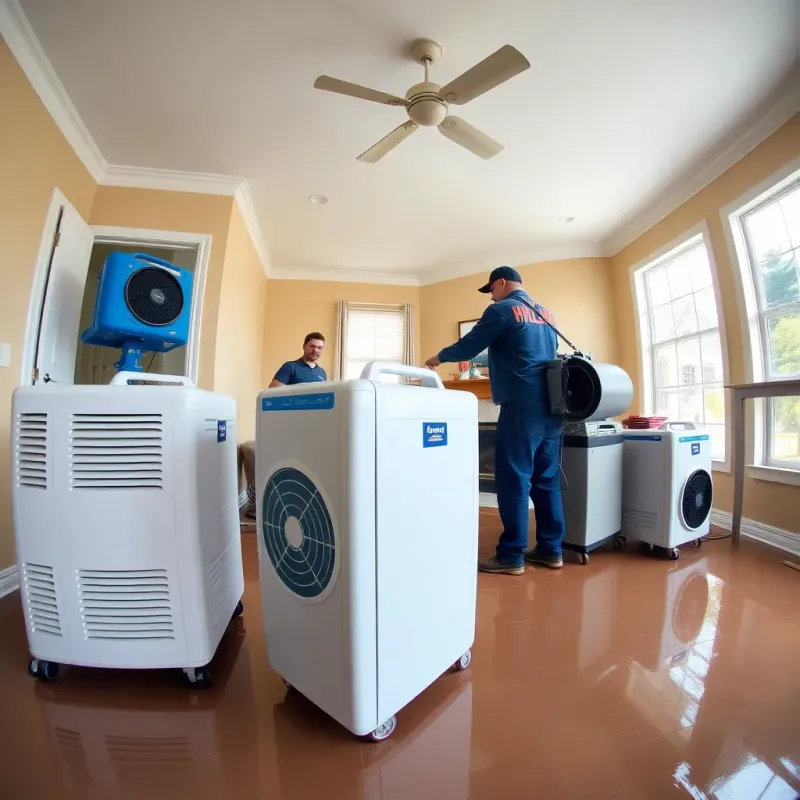
For minor, recent damage caught early, sometimes drying affected areas with fans and dehumidifiers prevents mold and further deterioration. This only works if water damage in walls is limited to one area and detected within 48 hours.
This is the least expensive but also least common scenario.
Drywall Replacement ($1,000-$3,000)
When drywall is saturated, it must be removed and replaced. Contractors cut away affected sections, dry the area thoroughly, and install new drywall.
Costs depend on wall size and contamination level (mold requires additional remediation).
Complete Wall Reconstruction ($5,000-$15,000)
If framing, insulation, and electrical are damaged, substantial reconstruction is necessary. Walls are dismantled, water-damaged materials removed, and systems rebuilt to code.
This is the most expensive scenario but necessary for serious water damage.
Mold Remediation (Add $2,000-$6,000)
If mold is present, professional remediation must occur alongside repair. This involves containment, removal of contaminated materials, and antimicrobial treatment.
Mold remediation adds significant cost but is essential for health and safety.
Insurance Considerations for Hidden Water Damage
What Homeowners Insurance Covers
Most policies cover sudden, accidental water damage like burst pipes or roof leaks. Hidden water damage from these sources is typically covered if you file a claim promptly.
Coverage usually includes both the water damage itself and secondary mold remediation.
What Insurance Won’t Cover
Gradual leaks, poor maintenance, or water intrusion from ground moisture usually aren’t covered. If you ignored obvious signs (like peeling paint) for months, insurers may deny coverage for negligence.
Flood damage is explicitly excluded—this requires separate flood insurance.
The Importance of Quick Action
Homeowners insurance favors immediate claims over delayed ones. If you discover water damage in walls, notify your insurer within days, not weeks.
Delays suggest the damage may have been preventable with timely maintenance.
FAQ: Hidden Water Damage in Walls
How fast does mold grow in hidden water damage? Mold can begin growing within 24-48 hours of water exposure. By one week, significant mold colonies are established inside walls. This urgency is why quick action is critical — follow our mold prevention guide after water damage immediately.
Can I fix hidden water damage myself? Minor surface damage can be addressed with fans and dehumidifiers, but structural damage requires professional assessment. Hidden water damage usually extends beyond what’s visible, making professional evaluation essential. DIY attempts often miss contamination and allow problems to worsen.
Will hidden water damage get worse over time? Yes, absolutely. Water damage progressively deteriorates materials, spreads mold, and weakens structure. What costs $1,500 to fix today could cost $10,000 next year if ignored.
How do I know if water damage is from a covered source? Sudden, accidental events (burst pipes, roof leaks, appliance failures) are typically covered. Gradual leaks, poor maintenance, or ground moisture usually aren’t. Your insurance adjuster determines coverage based on the damage source.
Should I use a dehumidifier if I find signs of water damage in walls? Dehumidifiers help prevent mold growth and moisture spread, but they cannot fully dry walls from the inside. Professional drying equipment (air movers, industrial dehumidifiers) is more effective for serious water damage in walls.
Final Thoughts
Hidden water damage in walls represents one of the most serious threats to your home’s integrity and your family’s health. The 10 signs covered here—from musty smells to peeling paint—are your early warning system. Don’t wait for obvious damage to act.
If you notice any combination of these signs, contact a water damage professional for inspection. The cost of early detection is minimal compared to the expense of allowing water damage in walls to progress. Your home’s structural integrity and your family’s health depend on quick action.
Trust your instincts, trust your senses, and act decisively when warning signs appear.
Disclaimer: This article is for informational purposes only and does not constitute professional advice. Every water damage situation is unique. Always consult a licensed contractor or restoration professional for your specific situation. If you’re dealing with an emergency, contact your local restoration company immediately.