Water Damage Insurance Claim Denied? Here’s What to Do Next
After helping people through denied claims for over a decade, I can tell you that the moment you open that denial letter feels like getting punched in the gut. You did everything right — you called the insurance company, you took photos, you filled out the paperwork — and they still said no. I had one homeowner in tears on the phone because her insurer denied a $22,000 claim over a “maintenance exclusion” that was, frankly, bogus. We appealed it, and she got every penny. The truth is, a denial is not the end of the road. It’s often just the beginning of the real negotiation.
In this guide, I’ll break down the most common reasons insurers deny water damage claims, walk you through the appeal process step by step, and help you figure out when it’s time to bring in legal help.
Key Takeaway: A denied water damage claim is not necessarily final. Over half of all appealed denials result in at least a partial reversal when homeowners provide strong documentation and address the specific denial reason head-on.
Why Insurance Companies Deny Water Damage Claims
Understanding the reasoning behind your denial is the first step toward overcoming it. Insurance companies cite specific policy language and claim exclusions when denying water damage claims.
Coverage Exclusions: The Most Common Reason
Most homeowners insurance policies contain exclusions for certain types of water damage:
Flood Coverage
- Standard homeowners policies don’t cover flooding from external sources
- Requires separate flood insurance through the National Flood Insurance Program (NFIP) or private insurers
- Commonly denied in areas with recent heavy rainfall or storms
Maintenance-Related Damage
- Gradual leaks from poorly maintained pipes
- Damage from deferred maintenance or neglect
- Seepage from inadequate waterproofing
- Ground water intrusion due to lack of proper drainage
Wear and Tear
- Damage from aging plumbing systems
- Deterioration of roofing materials over time
- Rusting of old pipes
- Failure of old water heaters
Sewer Backup
- Requires endorsement or separate sewer backup coverage
- Many insurers exclude this by default
- Only covered if you have explicit sewer backup insurance
Accidental vs. Predictable
- Insurance covers sudden, accidental damage
- Policies exclude damage from known issues or predictable failures
- The distinction between these categories becomes a common dispute
Policy-Specific Exclusions
Your particular policy may contain unique exclusions based on:
- Your geographic location (flood zones, hurricane-prone areas)
- Property characteristics (age, construction type)
- Coverage tier selected (basic vs. comprehensive)
- Special endorsements you did or didn’t purchase
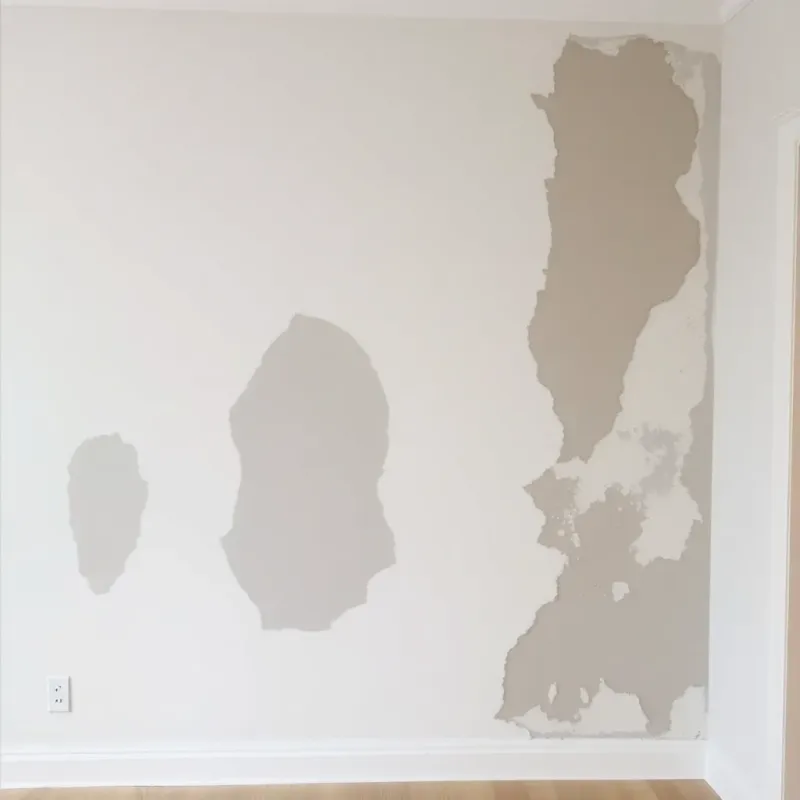
Policyholder Action (or Inaction)
Insurers deny claims when they claim your actions contributed to the damage:
Failure to Maintain
- Not performing regular inspections
- Ignoring known plumbing issues
- Delaying repairs after discovery of problems
- Neglecting gutter cleaning or drainage maintenance
Misrepresentation During Application
- Providing false information when obtaining the policy
- Failing to disclose known risks or property conditions
- Misrepresenting occupancy status
- Inaccurate property descriptions
Violation of Policy Conditions
- Failure to keep property maintained
- Leaving property vacant beyond allowed timeframes
- Non-compliance with security or maintenance requirements
- Failure to mitigate damage after discovery
Notification and Documentation Issues
To avoid these issues in the first place, follow proper claim filing procedures to avoid denial from the very beginning. Administrative failures can also result in claim denial:
- Late notification: Reporting damage outside the policy’s notice period
- Inadequate documentation: Insufficient photos, evidence, or professional assessment — ensure thorough documentation of all damage to prevent this issue
- Missing forms: Incomplete claim applications
- Conflicting information: Inconsistencies between your verbal and written statements
Determination That Damage Isn’t Water-Related
Sometimes insurers deny claims asserting the damage comes from a non-covered source:
- Asserting moisture damage resulted from “water seepage” rather than covered leak
- Claiming damage is from condensation, not pipe failure
- Determining damage predates your policy
- Arguing damage results from defective design, not accident
Common Denial Reasons and How to Respond
Here’s a quick-reference table I’ve put together based on the most frequent denials I’ve seen over the years:
| Denial Reason | What the Insurer Claims | How to Respond | Success Rate on Appeal |
|---|---|---|---|
| Flood exclusion | Damage is from external flooding, not covered under standard policy | Prove water source was internal (burst pipe, appliance). Get a plumber’s report documenting the origin. | Moderate (40-50%) if source is disputable |
| Maintenance/neglect | You failed to maintain plumbing or property | Provide maintenance records, plumber receipts, and inspection history showing you acted responsibly. | High (50-65%) with documentation |
| Gradual leak | Damage occurred slowly over time, not sudden | Get an independent plumber’s assessment showing the failure was sudden/catastrophic, not gradual. | Moderate (35-50%) |
| Late notification | You missed the notice deadline | Demonstrate you reported as soon as you discovered the damage. Cite your state’s discovery rule if applicable. | Low-Moderate (25-40%) |
| Pre-existing damage | Insurer says damage existed before your policy | Provide move-in inspection photos, home inspection report, or contractor statement dating the damage. | Moderate (40-55%) |
| Sewer backup (no endorsement) | You don’t have sewer backup coverage | Limited options if endorsement wasn’t purchased. Check if damage has a covered secondary cause. | Low (15-25%) |
| Inadequate documentation | Not enough evidence to support the claim | Submit additional photos, video, professional assessment, and contractor estimates. | High (55-70%) with strong new evidence |
| Policy lapse/violation | Policy was not in force or terms were violated | Provide proof of payment, policy status, and evidence of compliance. | Varies widely |
Personal tip: When I help clients prepare an appeal, the very first thing I do is pull out the exact policy language the insurer cited in the denial letter. Nine times out of ten, the exclusion they’re relying on doesn’t say what they think it says — or it doesn’t apply to the situation at hand. Read every word of that denial letter and match it against your actual policy.
Recognizing Bad Faith Denial Practices
Beyond legitimate claim denials, some insurers deny claims in bad faith. Recognizing these practices is essential, as they may entitle you to damages beyond your claim amount.
Signs of Potential Bad Faith
Unreasonable Denial Rationale
- Denial reasons that don’t align with policy language
- Exclusions cited that don’t apply to your situation
- Contradictory explanations for denial
Inadequate Investigation
- Failing to send an adjuster to inspect damage
- Refusing to consider professional assessments
- Dismissing evidence without explanation
- Not responding to your requests for information
Unreasonable Delays
- Taking months to respond to claim submissions
- Repeatedly requesting duplicate documentation
- Postponing adjuster visits without justification
- Delaying denial decisions beyond reasonable timeframes
Misrepresentation of Policy Terms
- Citing exclusions that don’t exist in your policy
- Misquoting policy language
- Applying exclusions not applicable to your situation
- Denying coverage explicitly listed in your policy
Failure to Acknowledge Known Claims
- Denying you previously reported the damage
- Claiming no record of your notification despite documentation
- Ignoring proof of communication
Pattern of Unjust Denials
- Denying nearly all claims submitted
- Consistently using questionable reasoning
- Public complaints about similar denial practices
Bad Faith vs. Legitimate Denial
It’s important to distinguish between a claim your insurer legitimately denies and bad faith denial:
Legitimate denial involves:
- Clear policy language supporting exclusion
- Thorough investigation documenting findings
- Reasonable application of policy terms
- Good faith effort to understand your position
- Timely communication
Bad faith denial involves:
- Misrepresenting policy terms or investigation findings
- Deliberately ignoring evidence supporting coverage
- Unreasonable delay tactics
- Failure to follow their own procedures
- Pattern of unjust claim denials
Step-by-Step Appeal Process
If you’ve received a claim denial, you have several options for appeal. Follow this systematic process:
Step 1: Understand Your Denial Thoroughly (Days 1-3)
Before appealing, comprehensively understand your denial:
- Read the denial letter carefully and identify specific reasons cited
- Locate policy language referenced in the denial
- Note dates and deadlines mentioned in the letter
- Document the adjuster’s findings if an inspector visited
- Gather your documentation including notification proof and damage photos
Step 2: Gather Additional Evidence (Days 3-10)
Strengthen your appeal with new or overlooked evidence:
- Professional assessments: Independent water damage restoration company evaluation
- Structural engineering reports: For complex damage or disputes about cause
- Plumbing inspection reports: Professional determination of leak cause and timing
- Photos and video: High-quality documentation of damage progression
- Expert opinions: Licensed contractors’ assessments of damage causation
- Similar case law: Examples of comparable claims approved by insurers
The goal is to directly address the stated reason for denial with professional evidence supporting coverage.
Personal tip: I’ve seen homeowners spend weeks gathering generic evidence when what really moves the needle is one targeted expert opinion. If they denied you for “gradual leak,” get a licensed plumber to write a report stating the failure was sudden. That single document has more weight than 50 photos.
Step 3: Prepare Your Written Appeal (Days 10-14)
Write a compelling appeal letter that:
Addresses each denial reason individually
- Quote the policy language supporting your coverage
- Explain why the exclusion doesn’t apply
- Provide evidence contradicting their findings
Maintains professional tone
- Avoid emotional language or accusations
- Present facts objectively
- Cite specific dates and policy sections
- Reference professional assessment findings
Includes proper organization
- Clear structure with numbered points
- Logical flow from evidence to conclusion
- Executive summary highlighting key points
- Supporting documentation clearly labeled
Sample appeal structure:
1. Policy Coverage Provisions
2. Application of Your Exclusion Claim
3. Evidence Supporting Coverage
4. Professional Assessments
5. Conclusion with Specific Coverage Request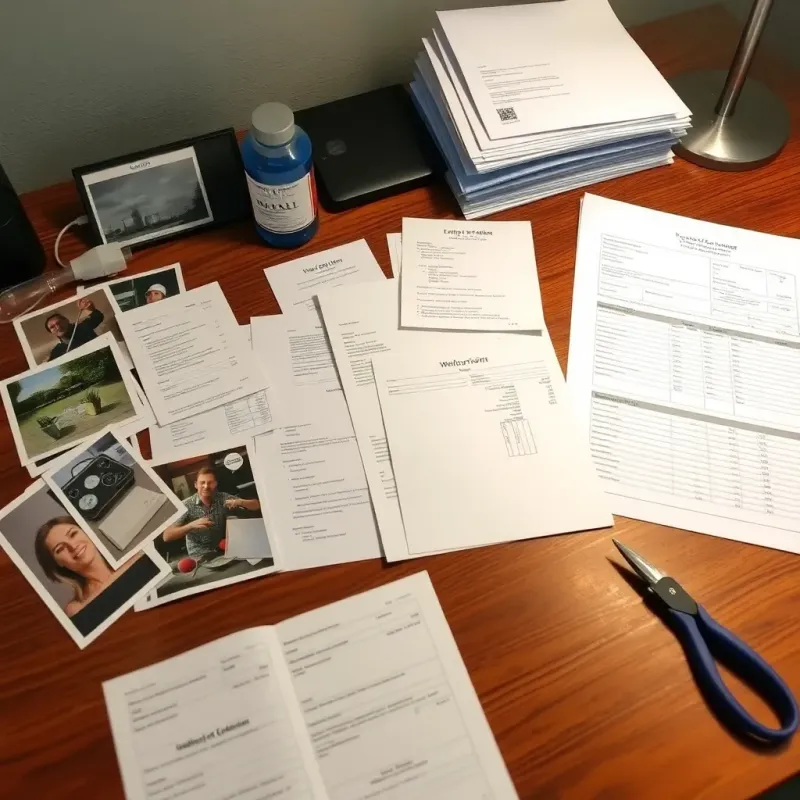
Step 4: Submit Your Appeal (Day 14)
Follow proper submission procedures:
- Check the denial letter for appeal instructions and submission address
- Send via certified mail with delivery confirmation
- Include a cover letter referencing your claim number and denial date
- Attach all supporting documentation in organized sections
- Keep detailed records of submission date and contents
- Request written acknowledgment of receipt
Step 5: Follow Up and Document Communication (Weeks 3-4)
Track your appeal progress:
- Call the insurer’s appeal department 7-10 days after submission
- Request estimated decision timeframe
- Document all conversations with date, time, and agent name
- Provide additional information if requested
- Request written status updates
Step 6: Escalate if Necessary (Days 21-30)
If you don’t receive a response within 30 days:
- Request escalation to a supervisor or appeals manager
- File a complaint with your state’s Department of Insurance
- Document all delay attempts for potential bad faith claim
- Consult an attorney if the claim amount warrants legal action
When to Hire an Attorney
Determining whether to pursue legal action depends on several factors:
Financial Considerations
Consider hiring an attorney when:
- Your claim amount exceeds $5,000
- The attorney works on contingency (no upfront cost)
- Bad faith indicators suggest potential for punitive damages
- Multiple policy violations or misrepresentations by insurer
Claims under $2,500 may not justify legal fees, though some attorneys handle small claims affordably. To assess whether legal action makes financial sense, understand typical claim values and compare them to potential legal costs.
Evidence Strength
Strong case indicators:
- Clear policy language supporting coverage
- Professional documentation proving the claim
- Documented bad faith practices
- Pattern of similar denials by your insurer
- Multiple witnesses to damage or notification
Weak case indicators:
- Ambiguous policy language open to interpretation
- Lack of professional damage documentation
- Your actions contributed to damage
- Clear applicability of cited exclusions
- Limited bad faith evidence
Insurance Company Behavior
Hire an attorney if:
- Insurer has documented bad faith history
- They’ve used unreasonable delay tactics
- They’ve contradicted their own investigation findings
- Pattern of similar unjust denials exists
- They’ve refused reasonable communication
Time and Effort
Consider whether you want to:
- Handle complex insurance law and procedural requirements
- Negotiate with professional insurance claim handlers
- Spend months in appeals and potential litigation
- Coordinate expert witnesses and professional assessments
- Risk paying attorney fees if you lose
State Department of Insurance Complaints
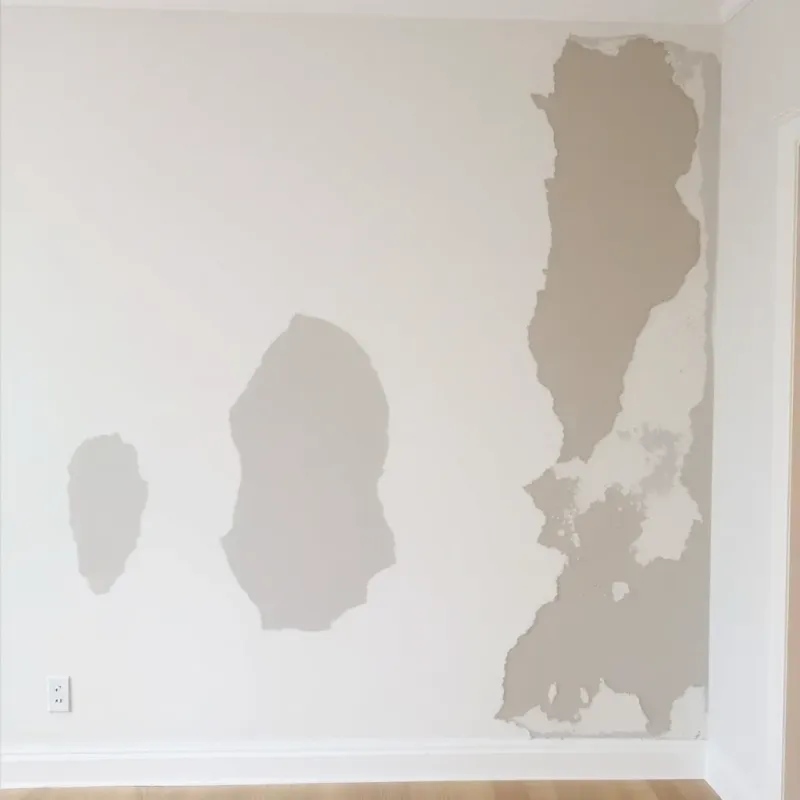
Before litigation, file a complaint with your state’s insurance regulator:
Benefits of regulatory complaints:
- Free investigation into insurer practices
- Potential regulatory action against insurer
- Support for your position if bad faith exists
- No attorney fees required
- Creates official record of complaint
Complaint process:
- Visit your state’s Department of Insurance website
- Locate the consumer complaint process
- File formal complaint with documentation
- Respond to insurer’s response
- Receive investigation results
- Use findings to support appeal or legal action
Insurance Company Mistakes: What You Can Challenge
Even if your policy technically excludes coverage, certain insurer mistakes may entitle you to recovery:
Misrepresentation of Policy Terms
If your insurer misrepresented coverage when you purchased the policy, you may be entitled to coverage despite exclusions.
Failure to Disclose Exclusions
Some states require insurers to clearly disclose significant exclusions. Failure to do so may render exclusions unenforceable.
Ambiguous Policy Language
If policy language is genuinely ambiguous, courts typically interpret it in favor of coverage (the doctrine of ambiguity).
Personal tip: I always recommend that clients highlight every ambiguous phrase in their denial letter. Insurance companies write policies to be confusing on purpose. If you can show a judge — or even a Department of Insurance reviewer — that a reasonable person could read the policy language two different ways, the law is on your side in most states.
Violation of State Insurance Laws
Insurers must follow specific procedures. Violations may result in claim approval or damages.
Estoppel
If your insurer’s conduct led you to reasonably believe you had coverage, they may be estopped from denying the claim.
Moving Forward After Denial
Even if your formal appeal fails, you have options. Be prepared for out-of-pocket restoration expenses you may face while pursuing alternative resolution:
Alternative Dispute Resolution
- Appraisal clause: Many policies include appraisal procedures for valuation disputes
- Mediation: Non-binding process with neutral third party
- Arbitration: Binding resolution through private arbitrator
Small Claims Court
Claims under your state’s small claims limit (typically $5,000-$10,000) can be pursued without attorney in small claims court.
Civil Litigation
For larger claims or clear bad faith, file lawsuit in civil court. Your attorney can pursue:
- Contract interpretation claims
- Bad faith claims
- Breach of covenant of good faith and fair dealing
- Punitive damages (in cases of gross misconduct)
- Attorney fees (in some jurisdictions for bad faith)
FAQ: Dealing with Water Damage Claim Denials
Q: Can my insurance company deny my claim without sending an adjuster? A: While technically possible, most states’ laws require insurers to investigate claims adequately. Denying without investigation may constitute bad faith. Request an adjuster visit if none was conducted.
Q: How long do I have to appeal a denial? A: No standard timeframe exists, but most policies allow appeals within 1-2 years of denial. Don’t delay. Your state’s Department of Insurance may have specific appeal filing deadlines.
Q: What’s the difference between a denial and a non-renewal? A: A claim denial means your specific claim isn’t covered. Non-renewal means your insurer won’t renew your policy when it expires. These are separate issues, though bad faith denials may support non-renewal complaints.
Q: Can I sue my insurance company if they deny my claim unfairly? A: Yes, but first exhaust appeal and regulatory complaint options. Bad faith lawsuits require proof that the insurer knew or should have known they had no reasonable basis for denial.
Q: Do I need an attorney to appeal my claim? A: Not necessarily. Simple appeals with clear policy violations can be handled independently. However, for complex cases or substantial claim amounts, attorney guidance increases success probability significantly.
Facing a water damage insurance claim denial? Our specialists understand the appeal process and can help strengthen your case. We’ll provide the professional documentation and expert assessments insurers require to reverse denials. Contact us for a free claim review and we’ll outline your options.
Disclaimer: This article is for informational purposes only and does not constitute professional advice. Every water damage situation is unique. Always consult a licensed contractor or restoration professional for your specific situation. If you’re dealing with an emergency, contact your local restoration company immediately.