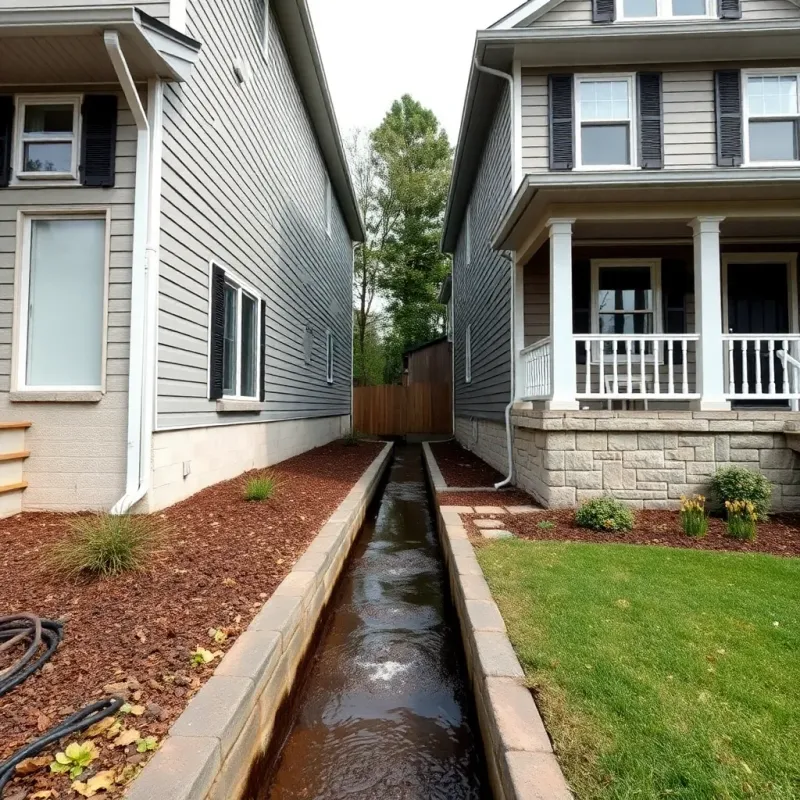
Does Home Warranty Cover Water Damage? What You Need to Know
If you’re a homeowner, you’ve likely heard the term “home warranty” thrown around, but many people confuse it with homeowners insurance. This confusion often leads to costly surprises when water damage occurs. Understanding what your home warranty actually covers—and what it doesn’t—is critical to protecting your investment and avoiding unexpected expenses.
The simple answer is: most home warranties do cover water damage caused by specific plumbing failures, but coverage is limited and depends heavily on your specific plan. However, water damage from external sources like floods, poor maintenance, or gradual leaks may not be covered. Let’s break down exactly what you need to know.
Key Takeaway: Home warranties cover sudden, accidental plumbing failures but typically exclude flood damage, gradual leaks, and poor maintenance — meaning you need both a home warranty and homeowners insurance to be fully protected against water damage.
What Home Warranties Actually Cover
Plumbing Coverage Details
Home warranties typically cover water damage and burst pipes when the damage is caused by sudden, accidental failure of covered systems. This is a crucial distinction. If your kitchen water line suddenly bursts behind your wall, your home warranty may cover the repair and resulting water damage—assuming you’ve maintained the system properly.
Most home warranty plans cover:
- Burst pipes and water line breaks within the home
- Sudden, accidental plumbing failures that cause water damage
- Water heater leaks from mechanical failure
- HVAC-related water damage from condensation system failures — learn about AC system water damage and warranty coverage
- Refrigerator water line breaks (ice maker lines)
- Toilet tank leaks from mechanical failure
However, the devil is in the details. Your warranty contract will specify exactly which plumbing fixtures and systems are covered. Some plans exclude certain appliances or limit coverage to specific water damage scenarios.
The coverage amount also matters significantly. Most home warranties cover the repair of the failed component and basic water removal, but they may not cover extensive water damage restoration, mold remediation, or structural repairs. You typically pay a service call fee (usually $50-$200 per claim) even when the repair is covered.
What Home Warranty Does NOT Cover
Just as important as knowing what’s covered is understanding the exclusions. Most home warranties explicitly do NOT cover:
- Flood damage from external water sources
- Water damage from poor maintenance (neglected gutters, deteriorating seals)
- Slow leaks or gradual water damage (coverage typically requires sudden, accidental failure)
- Pre-existing conditions known at the time of purchase
- Water damage caused by misuse or inadequate maintenance — take steps to prevent washing machine water damage and reduce common appliance failure risks
- Cosmetic damage or personal property damaged by water
- Mold remediation (though some plans offer optional add-ons)
- Basement water intrusion from groundwater
This is why home warranty holders often discover that their water damage claim is denied. A slow leak in your foundation that gradually ruins your basement may not qualify as a covered “sudden, accidental failure.”
Home Warranty vs. Homeowners Insurance: Understanding the Difference
This is where most homeowners get confused, and it’s absolutely critical to understand the difference because the two provide completely different types of protection.
Key Differences
| Feature | Home Warranty | Homeowners Insurance |
|---|---|---|
| What It Covers | Mechanical failure of home systems | Damage to your home from covered perils |
| Plumbing Leaks | Yes (sudden failure) | Generally no, unless from covered peril |
| Flood Damage | No | No (requires separate flood insurance) |
| Maintenance Related | No (requires proper maintenance) | Yes (regardless of maintenance) |
| Appliances | Yes (typically included) | No |
| Service Call Fee | Yes ($50-$200 per claim) | Usually no deductible for water damage |
| Water Heater Failure | Usually covered | Only if from covered peril like fire |
| Duration | 1 year (renewable) | 1 year (renewable) |
| Cost | $400-$900 annually | $1,200-$2,000+ annually |
Homeowners insurance protects you against sudden, unexpected events like storms, fires, and theft. It’s designed to cover damage to your home’s structure and contents. Review homeowners insurance as complement to warranty coverage to understand what homeowners insurance typically does and doesn’t cover for water damage, including burst pipes, water heater failures, or poor maintenance.
Home warranty, on the other hand, is a service contract that covers mechanical failures of home systems and major appliances. It’s like an extended warranty on your entire home. When your water heater fails or your plumbing system breaks, the warranty company sends a repair person to fix it.
The bottom line: you need both. Your homeowners insurance protects you from catastrophic events, while your home warranty covers the day-to-day mechanical failures that eventually happen to every home system.
Coverage Gaps and Overlaps
There are important gaps in coverage you need to understand:
Scenario 1: Your burst pipe causes water damage
- Home warranty: Covers the pipe repair and may cover some water removal
- Homeowners insurance: Typically does NOT cover this
- Your responsibility: Water damage restoration, structural repairs, mold remediation
Scenario 2: A storm causes water intrusion through your roof
- Home warranty: Does NOT cover (this is an external event)
- Homeowners insurance: Usually covers the roof repair and resulting water damage
- Your responsibility: May have a deductible
Scenario 3: Your water heater slowly leaks for months
- Home warranty: Likely does NOT cover (not sudden; maintenance issue)
- Homeowners insurance: Does NOT cover (maintenance-related)
- Your responsibility: Full cost of replacement and water damage
This is why homeowners can face devastating costs when water damage occurs. Neither your warranty nor your insurance may cover it, leaving you to pay out of pocket.
How to File a Home Warranty Claim for Water Damage
If you believe your water damage is covered by your home warranty, here’s the process:
Step 1: Document Everything Take photos and videos of the damage immediately. Note when you first noticed the problem and what you’ve done to prevent further damage. This documentation is crucial if your claim is denied.
Step 2: Contact Your Warranty Provider Immediately Call your home warranty company’s claims line. Have your policy number ready and be prepared to describe the problem clearly. Delays in reporting can result in claim denial.
Step 3: Schedule the Service Call The warranty company will schedule a service call within a specific timeframe (usually 24-48 hours for emergency calls). Be present for the inspection so the technician can assess whether the failure qualifies as a covered event.
Step 4: Pay the Service Call Fee You’ll pay the contractual fee (typically $50-$200) at the time of service. The warranty company is responsible for paying the repair costs up to their coverage limit.
Step 5: Follow Up on Water Damage Coverage If the burst pipe caused significant water damage beyond the pipe repair itself, ask the technician what water damage remediation is covered. Many warranties have specific limits on water removal and restoration services.
Step 6: Appeal if Denied If your claim is denied, you have the right to appeal. Request a detailed explanation of why the claim doesn’t meet their coverage criteria. Sometimes you can negotiate if the denial seems questionable.
Maximizing Your Home Warranty Coverage
To ensure you get the maximum benefit from your home warranty when water damage occurs:
Keep Documentation of Maintenance Many warranty companies deny claims based on “lack of maintenance.” Keep receipts for plumbing inspections, water heater servicing, and any preventive maintenance you’ve had done. This protects you if the company claims your system failed due to neglect. From my years in the field, I always recommend keeping a dedicated folder — physical or digital — with every maintenance receipt, service record, and inspection report, because the single most common reason warranty claims get denied is the homeowner’s inability to prove they maintained the system.
Understand Your Specific Policy Read your warranty contract carefully. Note the coverage limits, service call fees, and specific exclusions. Many people don’t know what they’ve actually purchased until they need to file a claim.
Consider Optional Add-Ons Many warranty companies offer optional coverage for mold remediation, flood damage (in non-flood zones), or enhanced water damage restoration. These are worth evaluating if you’re in a high-risk area.
Act Immediately on Signs of Water Damage The longer you wait to report water damage, the harder it is to prove it was sudden and accidental rather than gradual. Report any suspected plumbing issues immediately.
Know Your Exclusions Some warranties exclude specific areas (like basement water intrusion) or specific appliances. If you have an older home or live in a flood-prone area, ensure your warranty addresses your specific concerns.
Should You Purchase a Home Warranty?
Whether a home warranty makes sense for you depends on several factors:
Home warranties make sense if:
- Your home is older with aging systems
- You want predictable repair costs
- You have multiple major appliances you want covered
- You prefer convenience (warranty company arranges repairs)
- You’re anxious about unexpected mechanical failures
Skip the warranty if:
- Your home is new with modern systems under manufacturer warranty
- You have significant savings to handle repairs
- Your home systems are recently installed and reliable
- You prefer choosing your own contractors
For water damage specifically, remember that your home warranty provides limited coverage. It won’t protect you from floods, poor maintenance, or structural water intrusion. A proper homeowners insurance policy is essential regardless.
Frequently Asked Questions
Q: Does my home warranty cover water damage from a burst pipe? A: Most home warranties cover sudden, accidental burst pipes and the resulting repair. However, coverage for extensive water damage restoration may be limited. Check your specific policy, as some warranties only cover the pipe repair itself, not restoration services.
Q: Will my home warranty cover water damage from gradual leaks? A: Typically no. Home warranties require that water damage result from “sudden, accidental” failure. A slow leak that develops over weeks or months is usually considered a maintenance issue and isn’t covered. Once you notice water damage, report it immediately to maximize your chances of coverage.
Q: Is a home warranty the same as flood insurance? A: No. Home warranties don’t cover flood damage. If your area is flood-prone, you need separate flood insurance from the National Flood Insurance Program (NFIP) or a private insurer. Homeowners insurance and home warranties specifically exclude flood damage.
Q: Can I get mold remediation covered under my home warranty if it results from a covered water damage claim? A: This varies by plan. Most standard home warranties exclude mold remediation, but some offer optional mold coverage add-ons. If you have coverage, there are usually limits on the amount covered and requirements that the mold resulted from the covered water damage event.
Q: What should I do if my water damage claim is denied? A: Request a detailed written explanation of the denial and review your policy contract. If you believe the denial is incorrect, file an appeal with your warranty company. You can also file an insurance claim if warranty doesn’t apply through your homeowners policy instead. You may also contact your state’s insurance commissioner if you believe the denial violates consumer protection laws.
Conclusion
Home warranties can provide valuable coverage for sudden plumbing failures and water damage, but they’re not a complete protection against all water-related disasters. The coverage is limited, exclusions are common, and you’ll need to pay service call fees even for covered repairs.
The key to avoiding costly surprises is understanding exactly what your specific warranty covers, maintaining your home systems properly, and maintaining adequate homeowners insurance. Don’t assume water damage is covered—read your policies carefully and report any suspected problems immediately.
If you’re facing water damage, whether covered by warranty or not, getting professional restoration help quickly is essential to prevent mold growth and structural damage. Understanding out-of-pocket costs if neither warranty nor insurance covers your situation helps you budget appropriately. The cost of immediate professional water damage repair is always less than the cost of remediation after mold and rot develop.
Disclaimer: This article is for informational purposes only and does not constitute professional advice. Every water damage situation is unique. Always consult a licensed contractor or restoration professional for your specific situation. If you’re dealing with an emergency, contact your local restoration company immediately.