Water Damage From Neighbor’s Property: Who Pays?
One of the most frustrating situations a homeowner can face is discovering that water damage to their property was caused by a neighbor’s negligence or property failure. The question that immediately comes to mind is: “Who pays for this?” Unfortunately, the answer is complex and depends on numerous factors including local laws, the specific circumstances, your neighbor’s insurance coverage, and whether negligence was involved.
In some cases, you’ll be able to recover damages through your neighbor’s insurance. In others, you might need to pursue legal action. And in particularly frustrating scenarios, you may end up paying for repairs yourself. Understanding how homeowners insurance handles water damage claims is the first step in determining your financial exposure. Let’s explore the different liability scenarios and your options for recovery.
Key Takeaway: Whether your neighbor pays for water damage depends primarily on proving negligence — document everything immediately, file your own insurance claim for protection, and let the subrogation process handle liability disputes between insurers.
Understanding Liability for Neighbor-Caused Water Damage
Liability for water damage caused by a neighbor’s property depends on whether your neighbor was negligent. This legal concept is fundamental to determining who pays.
Negligence vs. Accidental Water Damage
Negligence occurs when:
- Your neighbor failed to maintain their property
- Your neighbor knew (or should have known) about a problem and did nothing
- Your neighbor’s actions directly caused water damage to your property
- You suffered damages as a result
Accidental water damage (non-negligent) occurs when:
- A pipe suddenly bursts through no fault of your neighbor
- A weather event causes damage (though some states have exceptions)
- An unforeseeable circumstance causes the damage
- Your neighbor took reasonable care of their property
This distinction is crucial because negligence determines whether your neighbor is liable and whether their homeowners insurance will cover your damages.
Common Negligent Scenarios
Failed Maintenance Leading to Water Damage: If your neighbor’s gutters are clogged and water overflows directly onto your foundation, causing basement flooding, that’s likely negligence. Your neighbor should have maintained their gutters. Similarly, if they know their roof leaks and water drips onto your property during rain, they’re negligent.
Ignored Plumbing Problems: If your neighbor notices water pooling in their yard or staining on their foundation but ignores it, they may be liable for damages that water causes to your property. Reasonable homeowners take action when they discover plumbing issues.
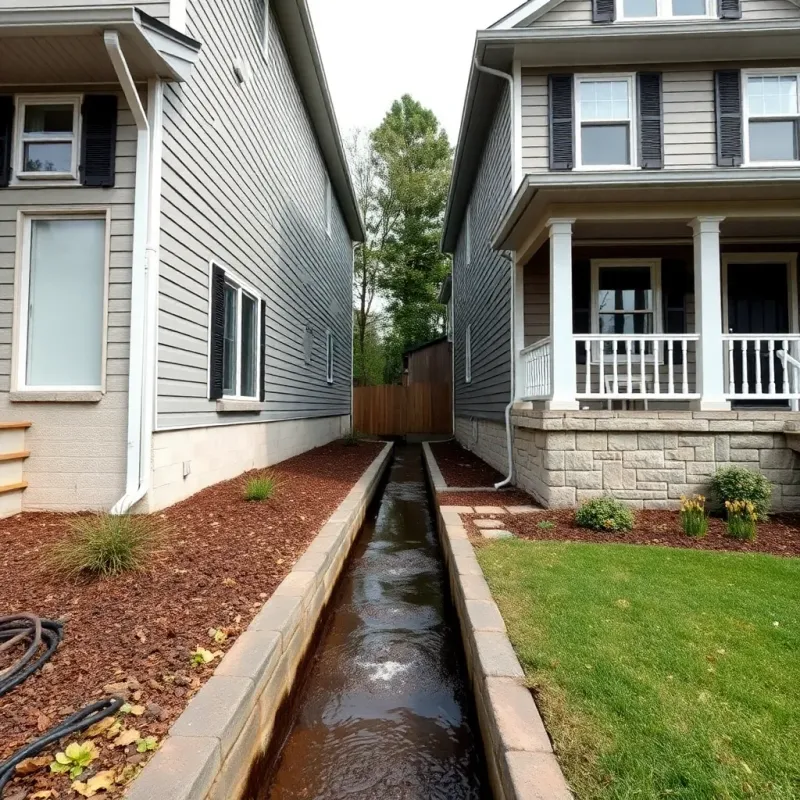
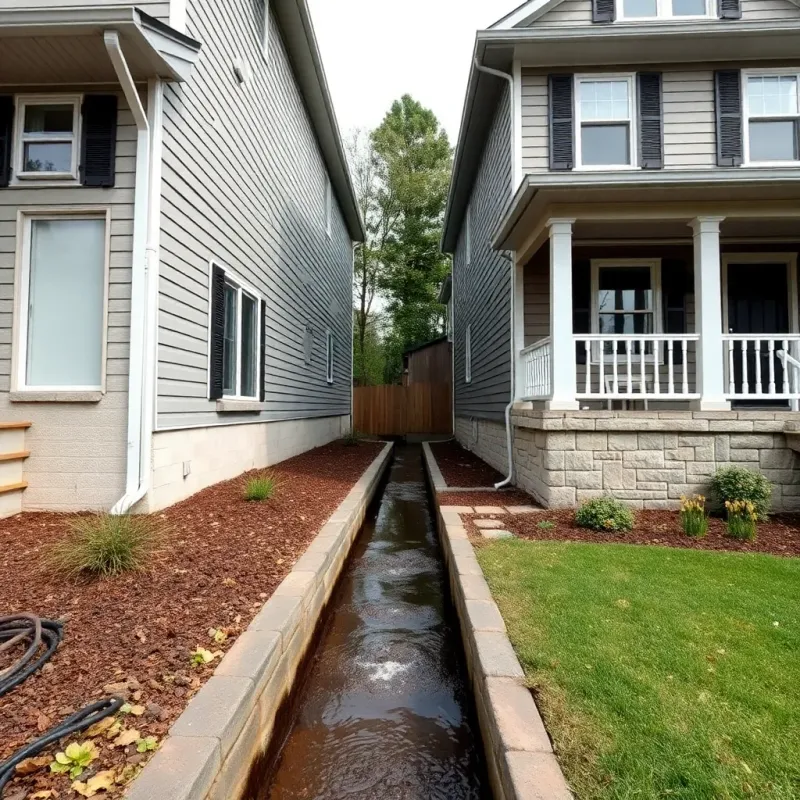
Neglected Landscape and Drainage: If your neighbor deliberately obstructs natural drainage patterns or removes vegetation that was preventing water runoff to your property, causing flooding, this is negligence.
Failure to Repair Known Problems: If your neighbor’s foundation is cracked and they know water is entering their basement, yet they do nothing and that water eventually migrates to your property, they may be liable for negligent failure to repair.
Overwatering or Improper Irrigation: If a neighbor’s irrigation system creates standing water or overflow that damages your foundation or causes water intrusion, you may have a negligence claim.
Non-Negligent Water Damage (Acts of God)
In contrast, some water damage situations aren’t your neighbor’s legal responsibility:
Sudden Equipment Failure: If your neighbor’s water heater suddenly ruptures and the water somehow reaches your property, this is typically not negligence—it’s an unforeseeable failure. Your homeowners insurance would be responsible, not your neighbor.
Acts of God: Severe weather events, earthquakes, or other acts of nature are typically not considered your neighbor’s responsibility, even if their property is the pathway the water takes to yours. However, some jurisdictions have “natural drainage exception” limitations that apply here.
Gradual Deterioration: There’s a gray area with gradual deterioration. If a neighbor’s foundation is cracking over years and water is slowly entering their basement, is that negligence? Courts differ, but generally, a reasonable homeowner should take action when they notice ongoing water problems.
Water Damage in Shared Walls and Condos
Condominium and townhome water damage liability is more complex because you share walls and sometimes plumbing systems with neighbors.
Shared Wall Water Damage
When water damage occurs in shared walls (a common problem in townhomes and condos), liability depends on:
Whose side the problem originated from: If the problem originates in your neighbor’s unit (their burst pipe, their leaking water heater, their plumbing failure), your neighbor and their homeowners insurance are typically liable. Your condo association’s master insurance policy may cover it, with recovery from your neighbor’s individual policy.
Your condo association’s rules: Many condo associations have bylaws addressing shared wall water damage. Some place liability on the unit owner whose property/system caused the damage. Others distribute it differently. Check your CC&Rs (Covenants, Conditions & Restrictions).
Insurance coverage: Your unit owner’s insurance (HO-6 condo insurance) typically covers your interior, while the association’s master policy covers the building structure. If water damage affects both, multiple insurance policies may be involved.
Common Issues in Shared Walls:
- Plumbing in one unit damages the wall structure affecting both units
- One unit’s bathroom water seeps through shared wall into neighbor’s bedroom
- Shared HVAC system failure causes water damage to multiple units
- Water intrusion from one unit’s failed sealants or maintenance
Condo Association Involvement
In many cases, your condo association’s master insurance will cover the structural damage, but they’ll likely pursue subrogation (recovery) from the responsible party’s insurance. This means:
- The association files a claim with their insurance
- Association insurance pays for repairs
- The association (through their insurer) pursues recovery from your neighbor’s insurance
- Your neighbor may face higher premiums or policy cancellation
The process is slower but often results in proper coverage without you having to battle your neighbor legally.
Legal Options for Recovering Water Damage Costs
If your neighbor caused water damage through negligence and their insurance won’t cover it, you have several legal options.
Small Claims Court
For water damage repairs under your state’s small claims limit (typically $5,000-$10,000), small claims court is an accessible option:
Advantages:
- No attorney required
- Simpler procedures
- Lower filing fees ($50-$200 typically)
- Faster resolution (often within 6-12 months)
- Less intimidating than civil court
Disadvantages:
- Limited to amount recoverable (usually $5,000-$10,000)
- Can’t sue for future damages or punitive damages
- Must prove your case yourself
- Still requires documentation and evidence
What you’ll need:
- Photos and video of damage
- Repair estimates or invoices
- Documentation that your neighbor caused it
- Proof you made reasonable efforts to notify your neighbor and resolve it
Civil Lawsuit
For larger water damage claims, a civil lawsuit in district or county court may be necessary:
When to pursue civil action:
- Damage exceeds small claims limits
- Long-term effects (mold, structural damage) make damages higher
- Your neighbor has homeowners insurance that should cover it
- You need to recover attorneys’ fees and court costs
Challenges:
- Requires hiring an attorney (significant expense)
- Slower process (often 2-3 years)
- Burden of proof is on you
- Must show clear negligence
Cost considerations: Before pursuing a lawsuit, ensure the potential recovery justifies the legal costs. Many attorneys work on contingency (taking a percentage of the recovery), but you should still discuss fees upfront.
Mediation
Many jurisdictions offer mediation services that help neighbors resolve disputes without court:
Benefits:
- Much cheaper than litigation
- Faster resolution
- Less adversarial
- Allows creative solutions
- Protects your neighbor relationship
Limitations:
- Non-binding (either party can refuse the outcome)
- Only works if neighbor is willing to participate
- May not result in full recovery
Insurance Coverage for Neighbor-Caused Water Damage
Your homeowners insurance may cover water damage caused by your neighbor, depending on your policy and the circumstances.
When Your Insurance Covers It
Most homeowners insurance policies cover water damage from sources outside your control, which includes water from your neighbor’s property, if:
- The water damage is sudden and accidental (not gradual)
- It’s not from a source your policy specifically excludes
- It results from a covered peril (like a storm forcing water from your neighbor’s property onto yours)
- You report it promptly
However, your insurance company may then pursue subrogation against your neighbor’s insurance to recover what they paid.
When Your Insurance Won’t Cover It
Your homeowners insurance typically won’t cover neighbor-caused water damage when:
- Your policy excludes water damage from external sources
- The damage is considered “gradual” rather than sudden
- Your policy has already excluded that type of damage
- Your flood insurance applies (in special zones)
- The damage is from groundwater or surface water (requires separate coverage)
The Subrogation Process
When your insurance covers neighbor-caused damage:
- You file a claim with your insurance company
- Your insurance pays for repairs (minus your deductible)
- Your insurance company investigates to determine if your neighbor’s negligence caused it
- If negligence is confirmed, your insurer pursues recovery from your neighbor’s insurance
- Your neighbor may face claims, higher premiums, or policy non-renewal
This process protects you from paying out of pocket while your insurers battle over liability.

How to Resolve Neighbor Water Damage Disputes
Taking the right steps immediately after discovering neighbor-caused water damage significantly improves your chances of recovery.
Step 1: Document Everything
Follow our complete guide to documenting water damage for insurance and:
- Take photos and videos of the damage from multiple angles
- Document the date you discovered the damage
- Take photos of the source (neighbor’s failed gutter, leaking pipe, etc.)
- Keep all receipts for emergency water removal and temporary repairs
- Document any communication with your neighbor about the issue
Step 2: Get Professional Assessment
- Have a water damage restoration company assess the damage
- Get written estimates for repairs (don’t just accept one)
- Obtain a professional inspection report documenting the source
- Consider hiring an engineer if the damage is structural
Step 3: Notify Your Neighbor
One lesson I’ve learned helping homeowners is that how you communicate with your neighbor in these first few days often determines whether the situation resolves amicably or turns into a prolonged legal battle. Lead with facts, not accusations, and always keep a written record of every interaction.
- Send a written notice (email or certified mail) explaining the damage
- Include photos showing your damage and the source
- Give them a reasonable time to respond (10-14 days)
- Request they contact their homeowners insurance
Step 4: File Your Insurance Claim
File your water damage insurance claim promptly:
- Contact your homeowners insurance immediately
- Provide all documentation
- Be clear about the external source (neighbor’s property)
- Cooperate fully with the insurance investigation
Step 5: Pursue Recovery if Necessary
If your insurance doesn’t cover it or the coverage is insufficient:
- Send a formal demand letter to your neighbor (certified mail)
- State the damage, costs, and your intention to pursue legal action
- Give them 30 days to respond or make settlement offers
- If unresolved, consult with a personal injury or property attorney
Step 6: Legal Action if Needed
- File in small claims court for amounts under your state’s limit
- Pursue civil litigation for larger claims
- Consider mediation as an alternative to court
Prevention: Protecting Yourself From Neighbor-Caused Water Damage
While you can’t control your neighbor’s property, you can take steps to minimize risk:
Maintain Proper Drainage:
- Ensure your property’s grading slopes away from your foundation
- Install or maintain proper drainage systems
- Keep your gutters clean and properly sloped
- Install sump pumps if your area is prone to water issues
Inspect Your Neighbor’s Property:
- Pay attention to visible problems (overgrown gutters, foundation cracks)
- Document problems photographically
- This establishes your awareness and supports later claims that neighbor was negligent
Maintain Good Relationships:
- Address concerns with neighbors politely
- Put concerns in writing (email) creating a record
- Suggest solutions rather than blame
- Many disputes resolve through good communication
Strengthen Your Property:
- Waterproof your foundation proactively
- Install backwater valves if you have sewer lines shared with neighbors
- Install water detection systems that alert you early
- Keep gutters, downspouts, and drainage systems in top condition
Review Your Insurance:
- Ensure your homeowners policy includes adequate water damage coverage
- Consider water backup coverage if available
- Review coverage limits annually
- Ask your agent about coverage gaps
Frequently Asked Questions
Q: If my neighbor’s pipe burst and caused water damage to my house, is my neighbor automatically liable? A: Not necessarily. If the pipe burst suddenly with no warning and your neighbor had no reason to know it was deteriorating, most courts won’t hold them liable. It’s considered an accidental failure. However, if your neighbor knew the pipe was problematic and did nothing, they may be negligent. The key is whether they should have known about and addressed the issue.
Q: Can I sue my neighbor for water damage even if they have homeowners insurance? A: Yes, but you’d typically work through their insurance first. If their insurance denies coverage or offers insufficient payment, you can sue your neighbor directly. However, if they have insurance, that’s usually where recovery comes from. You cannot force their insurer to pay more than their policy limits.
Q: My condo had water damage from my neighbor’s unit. Who should pay? A: This depends on your condo association’s governing documents and insurance structure. Usually, the association’s master policy covers structural damage, and your unit’s HO-6 policy covers your interior. The responsible party’s insurance provides recovery. Consult your association’s management company for guidance on your specific situation.
Q: What if my neighbor refuses to acknowledge that their property caused my water damage? A: Professional documentation becomes crucial. Have a water damage restoration company or engineer document that the damage originated from your neighbor’s property. This professional assessment becomes evidence in any dispute or legal action.
Q: Can I recover punitive damages (extra money to punish the neighbor) for water damage? A: Punitive damages are rarely awarded in water damage cases unless the neighbor’s actions were intentional or showed extreme negligence. Typical recoveries are limited to actual damages (repair costs). Consult an attorney about your specific situation.
Conclusion
Water damage from a neighbor’s property is frustrating, but you have several avenues for recovery. The key is acting quickly to document the damage, identify the source, and understand whether negligence was involved. In most cases, your neighbor’s homeowners insurance will cover the damage if negligence is established. When they won’t, small claims court or civil litigation may be necessary.
Prevention is always preferable to litigation. Review our guide on preventive measures to protect your home from water damage, maintain open communication with your neighbors, monitor your property carefully for signs of their negligence, and ensure your own insurance coverage is adequate. When neighbor-caused water damage does occur, professional water damage restoration companies can help document the source and support your insurance claim or legal action.
Remember: The longer water damage sits, the worse the consequences. Mold growth, structural deterioration, and other secondary damage quickly multiply your restoration costs. Act immediately to remove water and prevent further damage, then pursue recovery through insurance or legal channels.
Disclaimer: This article is for informational purposes only and does not constitute professional advice. Every water damage situation is unique. Always consult a licensed contractor or restoration professional for your specific situation. If you’re dealing with an emergency, contact your local restoration company immediately.