Best Water Leak Detectors for Home in 2026
Water leak detection technology has evolved dramatically, offering homeowners sophisticated protection against the silent threat of hidden leaks. From simple sensors that alert you when water is present to smart systems that automatically shut off your water supply, modern leak detectors provide peace of mind and financial protection. This comprehensive guide reviews the best water leak detection solutions available in 2026, comparing features, costs, and placement strategies to help you choose the right system for your home.
Key Takeaway: You do not need an expensive whole-home system to get meaningful protection—even a few strategically placed $25 smart sensors under sinks, near your water heater, and behind the washing machine can alert you to leaks before they cause thousands in damage.
Understanding Water Leak Detection Technology
Modern leak detection systems fall into several categories, each with distinct advantages and appropriate use cases.
Standalone Water Sensors
Basic water sensors detect water presence at specific locations. These battery-powered devices sit on your floor or near pipes and trigger an alarm when water makes contact with the sensor. These sensors are simple, affordable, and require no professional installation.
Advantages: Low cost ($15-50 each), no installation complexity, no subscription fees, minimal false alarms
Disadvantages: Alerts only at the sensor location (you might not notice a basement alarm if you’re upstairs), limited to where you place them, no automatic shut-off capability
Smart Water Sensors with App Integration
Modern smart sensors connect to your home WiFi and send push notifications to your smartphone when water is detected. These sensors work within a broader smart home ecosystem and often integrate with voice assistants.
Advantages: Instant mobile alerts from anywhere, integration with smart home systems, remote access, historical logging
Disadvantages: Requires WiFi connectivity, may require subscription for cloud storage, slightly higher cost than basic sensors
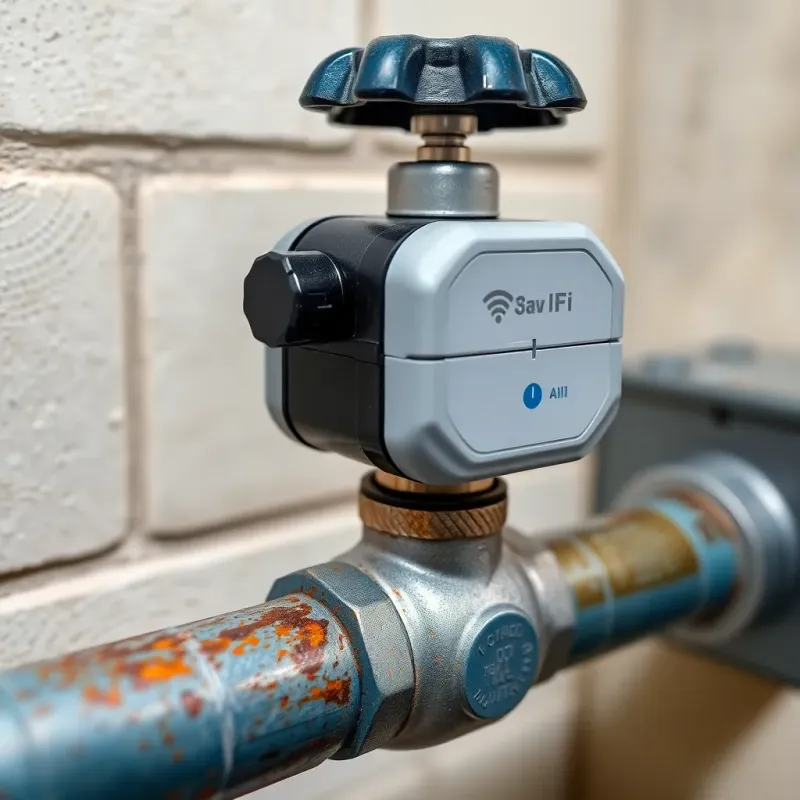
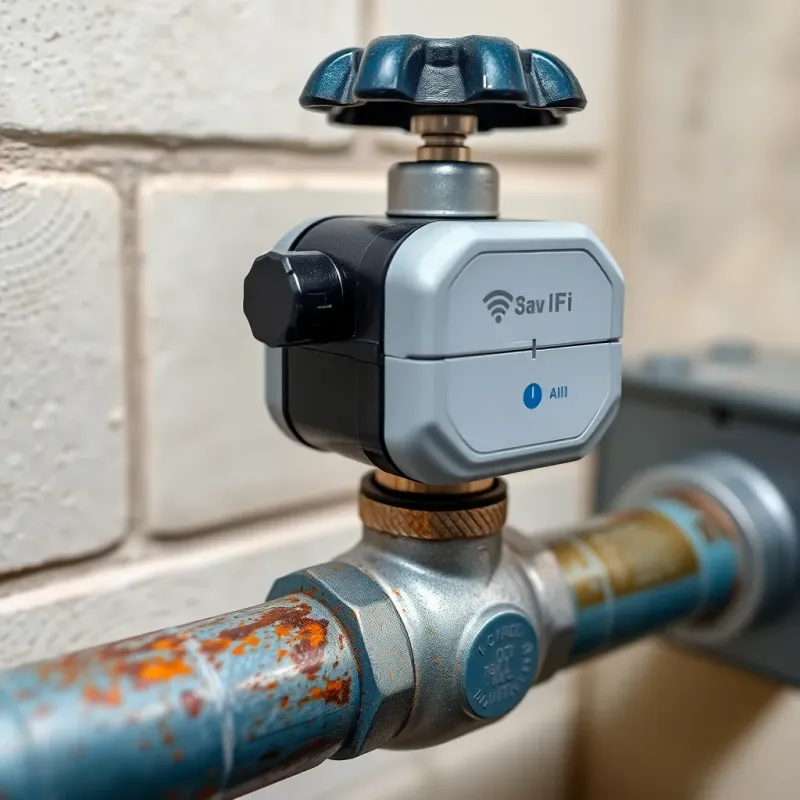
Smart Water Shut-Off Valves
Advanced systems integrate continuous water monitoring with automatic shut-off capability. These devices monitor water pressure and usage patterns, detecting unusual flows that suggest leaks.
Advantages: Automatic water shut-off prevents catastrophic flooding, continuous monitoring rather than point detection, insurance discounts available, comprehensive protection
Disadvantages: Higher cost ($300-500+), professional installation recommended, more complex setup
Whole-Home Water Monitoring Systems
Complete monitoring systems track total water usage, detect leaks through consumption anomalies, and provide detailed analytics of your water usage patterns.
Advantages: Detects even small leaks through usage patterns, tracks efficiency, provides real-time and historical data, helps identify optimization opportunities
Disadvantages: Higher cost, professional installation, requires monitoring service subscriptions, complex setup
Top Water Leak Detectors for 2026
Budget Category: Simple Water Sensors
Govee Water Leak Detector ($25-35) Govee’s basic water sensor delivers impressive functionality at an entry-level price point. The device features WiFi connectivity, smartphone alerts, and integration with smart home systems. The small, unobtrusive design fits in tight spaces like under sinks or near water heaters.
Features include adjustable alarm volume, battery status monitoring, and the ability to create automation rules (for example, turning on lights when water is detected). The sensor operates reliably for 18+ months on two AAA batteries.
Ideal for: Renters, first-time water detection users, small homes, or those wanting to test the concept before investing more
Eve Water Guard ($40-50) For Apple ecosystem users, Eve Water Guard offers seamless integration with HomeKit. The device detects water presence, integrates with HomeKit automations, and sends Siri notifications when problems are detected.
The larger size makes it suitable for placement in basins or trays rather than tight spaces, but the comprehensive HomeKit integration makes it valuable for homes already invested in Apple’s ecosystem.
Ideal for: Apple Home ecosystem users, those wanting tight integration with existing smart home systems
Mid-Range Category: Smart Sensors with Advanced Features
Fibaro Flood Sensor ($50-70) Fibaro’s flood sensor combines water detection with temperature and humidity monitoring, providing comprehensive environmental data. The Z-Wave or WiFi connectivity integrates with most smart home platforms.
The slim design fits into narrow spaces, and the included mounting bracket allows wall placement. Battery life exceeds 3 years, and the sensor includes a loud internal alarm (100+ decibels) providing local alert even if WiFi is unavailable.
Ideal for: Smart home enthusiasts, those wanting environmental monitoring alongside leak detection, homes with reliable WiFi or Z-Wave networks
Samsung SmartThings Water Leak Sensor ($35-50) SmartThings sensors integrate with the Samsung smart home ecosystem and other platforms supporting SmartThings Hub. The small, round design fits discretely in most locations.
The sensor provides quick notifications, excellent mobile app integration, and the ability to create complex automations (for example, closing smart shut-off valves when water is detected). The user community is large, providing extensive troubleshooting resources.
Ideal for: Samsung device users, those wanting broad smart home platform compatibility, users wanting extensive automation options
Premium Category: Smart Shut-Off Valves
Flood Stop Smart Water Shut-Off Valve ($400-500) Flood Stop represents the most comprehensive water protection available. The system monitors water pressure continuously, detects anomalous usage patterns suggesting leaks, and can automatically shut off water supply in seconds when problems are detected.
Installation typically requires a plumber and costs $300-500. The system includes backup battery power ensuring operation during power outages, manual override for normal shut-off, and mobile app control allowing remote water management.
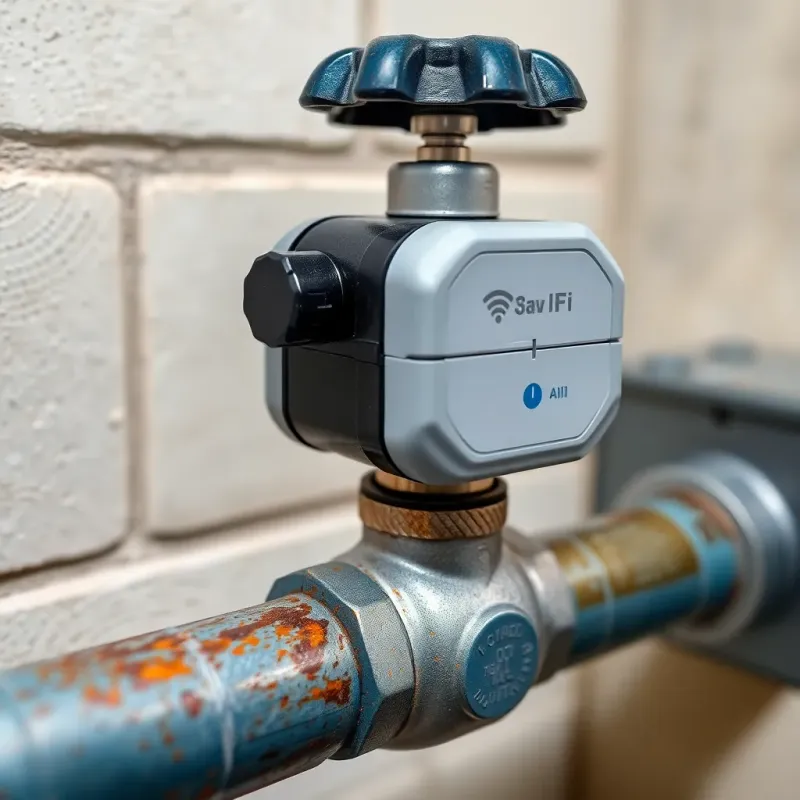
Insurance companies recognize Flood Stop systems, offering premium discounts (typically 10-15%) that often offset system cost within 3-5 years. The system includes 24/7 monitoring options (for additional subscription cost) providing professional verification of shutdowns.
Ideal for: Homeowners wanting comprehensive protection, those concerned about catastrophic water damage from burst pipes, people with vacation homes that might flood undetected, those who travel frequently and want automatic protection
Moen Smart Water Shutoff ($250-350) Moen integrates water management into their broader smart home ecosystem. The device monitors for leaks, provides mobile alerts, and can shut off water automatically.
The system installs on your main water supply line and requires professional installation. Integration with Moen faucets and other smart home devices creates a comprehensive water management system. Voice control through Alexa and Google Assistant provides convenient operation.
Ideal for: Homeowners already using Moen products, those wanting integrated water control, people wanting voice assistant compatibility
Comprehensive System Category: Whole-Home Monitoring
Landmark Detection System ($1000-1500 installed) Landmark provides whole-home water monitoring detecting leaks through usage anomalies. The system monitors all water entering your home, calculates normal usage patterns, and alerts you when actual usage exceeds expected amounts.
The system detects even small leaks that point sensors might miss by identifying consumption patterns that don’t match your normal usage. Professional installation (typically $300-500) ensures proper meter placement and configuration.
Ideal for: Homeowners concerned about efficiency, those wanting continuous monitoring, people wanting detailed water usage analytics, homes prone to hidden leaks in walls or under slabs
Guardian Smart Water Shutdown System ($400-600) Guardian combines monitoring with automatic shut-off, protecting against catastrophic flooding. The system monitors pressure and flow rates continuously, detecting sudden spikes indicating burst pipes.
The device shuts off water in 1-2 seconds upon detecting abnormal conditions, preventing flooding from burst supply lines. The system requires professional installation on the main water line. Backup batteries ensure operation during power outages.
Ideal for: Homeowners wanting automatic protection without constant monitoring, those with high-risk plumbing (old pipes, previous failures), people wanting insurance discounts
Feature Comparison and Selection Guide
WiFi vs. Standalone Connectivity
WiFi-connected devices offer remote notifications but require reliable home WiFi. Standalone devices operate independently but provide only local alerts. For main water areas (basements, mechanical rooms), local alarm-only sensors suffice. For secondary locations (bathrooms, kitchens), WiFi connectivity provides valuable remote alerts.
Battery Life Considerations
Point sensors typically operate 12-36 months on batteries. Calculate replacement frequency based on number of sensors and your tolerance for maintenance. Smart shut-off valves and monitoring systems often include backup batteries for power failure scenarios.
Smart Home Platform Compatibility
Consider your existing smart home ecosystem. Apple HomeKit users benefit from Eve devices. Samsung users value SmartThings integration. Google Home users prefer systems with broad Google Assistant support. Don’t force incompatible systems; choose devices that integrate naturally with your existing setup.
False Alarm Risk
Humidity variations, condensation, and sensor sensitivity settings affect false alarm frequency. Quality devices like Fibaro and Eve show lower false alarm rates than budget sensors. Read reviews to understand typical false alarm frequency before purchasing.
Professional Monitoring Options
Premium systems offer 24/7 professional monitoring ($15-30 monthly). Professionals verify alerts before water shut-off, reducing the chance of false shut-offs disrupting your home. Monitoring is valuable for vacation homes or those wanting professional verification.
Optimal Placement Strategy
Effective leak detection requires strategic sensor placement. Placing sensors randomly provides minimal benefit; strategic placement catches problems before catastrophic failure. Here’s something most people don’t realize: the single most important sensor placement in any home is behind the washing machine, because hose failures there can release hundreds of gallons in minutes—far faster than any other common household leak.
Priority Locations for Sensor Placement
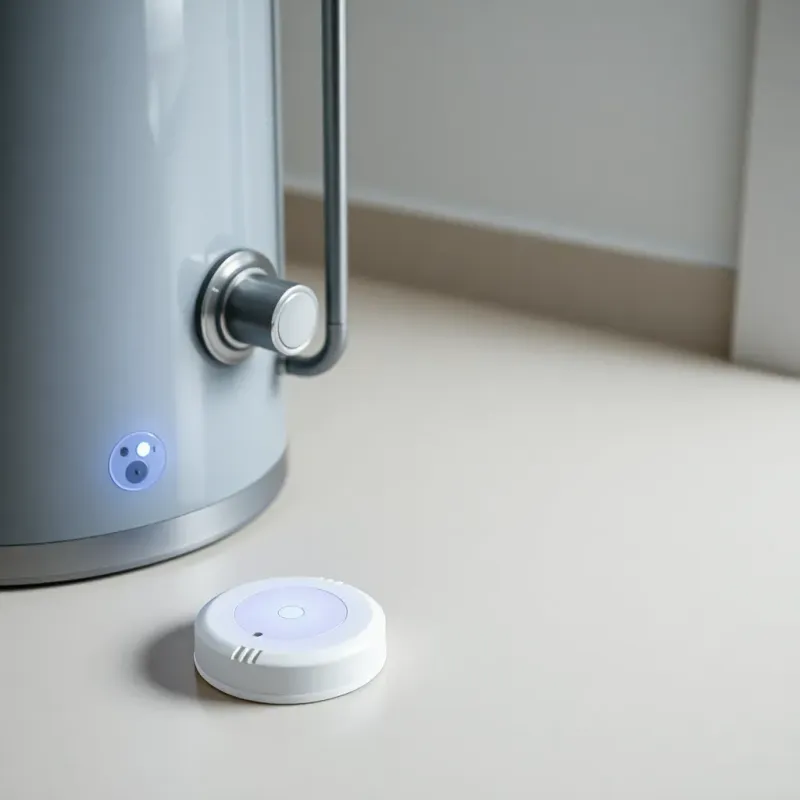
Under Sinks: Water under bathroom and kitchen sinks indicates plumbing connection leaks. These slow leaks can cause significant damage over weeks. Place sensors in the cabinet under each sink.
Behind Washing Machines: Washing machine hose failures cause sudden, massive water release. Place a sensor in the space behind the washing machine where burst hoses would first show water.
Near Water Heaters: Water heater leaks are common as these devices age. Place a sensor in the pan under the water heater or on the floor near the unit.
Basement/Crawlspace: Basement leaks from external water intrusion or sump pump failure are common. Place sensors in corners and low spots where water accumulates.
Under Toilets: Toilet seal failures cause slow water seepage under the toilet, visible in the basement below. Place sensors around the toilet base on upper floors.
HVAC Drain Pans: HVAC condensation drain pans accumulate water when drain lines clog. Place a sensor in the drain pan to detect backup.
Finished Basement: If you have finished basement spaces, place sensors where water would be problematic (under bedroom windows, near electrical panels).
Near Sump Pump: If you have a sump pump, place a sensor near the basin to detect pump failure or overwhelming water intrusion.
Under Dishwashers: Dishwasher leaks are common failure points. Place a sensor under or near the dishwasher, accessible without removing the unit.
Installation and Setup Process
Most simple sensors require only battery installation and power-on. Placement is straightforward: put the sensor where water leaks would appear.
WiFi-connected devices require connecting to your home network through the manufacturer’s mobile app. This process is usually straightforward but can be challenging if your WiFi signal is weak in the target location. Extend your WiFi with mesh networks if needed.
Smart shut-off valves and whole-home systems require professional installation on your main water line. This installation takes 1-2 hours and costs $300-500. Professional installation ensures proper placement, correct configuration, and backup power integration.
Smart Home Integration and Automation
Modern leak detection systems integrate with smart home platforms, enabling sophisticated automations:
- Water shut-off automation: Automatically shut off water when specific sensors detect leaks
- Light activation: Turn on lights when water is detected, helping you locate the problem
- Alert hierarchy: Send alerts to multiple family members in priority order
- Time-based actions: Different responses based on time of day (immediate shut-off during vacations, notification during home occupancy)
- Combination triggers: Activate responses only when multiple conditions are met
Take advantage of these automation capabilities to create custom responses matching your home’s needs and occupancy patterns.
Budget vs. Premium Options
The right investment depends on your risk tolerance, home characteristics, and usage patterns.
Minimal Protection ($100-200): 3-5 basic water sensors covering critical areas (under sinks, near water heater, basement)
Good Protection ($300-500): Combination of smart sensors with app integration (5-8 sensors) providing remote alerts and basic automation
Comprehensive Protection ($800-1200): Mix of smart sensors plus a smart shut-off valve providing automatic protection and remote monitoring
Premium Protection ($1500-2500): Professional whole-home monitoring system plus automatic shut-off plus point sensors throughout the house
Most homes benefit from the “Good Protection” or “Comprehensive Protection” options. The additional cost provides significant risk reduction and insurance discounts that often offset investment costs.
2026 Technology Trends
Leak detection technology continues advancing in 2026:
AI-Powered Detection: Artificial intelligence identifies leak patterns with increasing accuracy, reducing false alarms and detecting problems humans would miss.
Predictive Analytics: Systems analyze water usage patterns, predicting failures before they occur (for example, detecting corrosion patterns suggesting imminent pipe failure).
Integration with Utilities: Some systems now integrate with municipal water companies, providing real-time data about water quality and infrastructure issues.
Expanded Automation: Leak detection systems increasingly control not just shut-off valves but also HVAC, lighting, and security systems in response to water emergencies.
Improved Battery Technology: Sensors now operate 3-5 years on single battery sets, reducing maintenance burden.
FAQ Section
Q: What’s the cheapest way to get water leak protection? A: Simple water sensors cost $20-35 each and require no installation. Placing 3-5 sensors in critical areas (under sinks, near water heater, basement) provides basic protection for $60-175. This approach provides local alarms but not remote notifications. For remote alerts, add smart sensors at slightly higher cost.
Q: Do I really need a smart shut-off valve, or are sensors sufficient? A: Sensors alert you to problems but don’t prevent water discharge. If a burst pipe occurs while you’re asleep or away, sensors provide information but water continues flowing. Smart shut-off valves automatically close in seconds, preventing flooding. For peace of mind (particularly if you travel), shut-off valves provide value that sensors alone can’t match.
Q: Will my insurance give me discounts for installing leak detectors? A: Many insurers offer discounts (10-15%) for homes with active leak detection and shut-off systems. Contact your insurance agent to understand your specific policy. These discounts often offset system cost within 3-5 years, making the investment economically sound beyond the protection benefit.
Q: What’s the difference between point sensors and whole-home monitoring? A: Point sensors detect water at specific locations (under sinks, near water heaters). They don’t detect leaks occurring elsewhere. Whole-home systems monitor all water entering your home, detecting even small leaks throughout the house through usage analysis. Whole-home systems are more comprehensive but more expensive.
Q: Can I install smart shut-off valves myself, or do I need a plumber? A: Most shut-off valves require modification of your main water line and professional installation. Unless you’re experienced with plumbing work, professional installation is recommended. The installation cost ($300-500) is reasonable relative to the protection provided and ensures proper installation, warranty compliance, and backup power integration.
Q: How often do water leak sensors trigger false alarms? A: Quality sensors (Fibaro, Eve, Govee) show false alarm rates of 1-2% annually. Budget sensors may show higher rates. False alarms often result from humidity spikes, condensation, or sensor sensitivity. Read reviews to understand typical false alarm frequency for devices you’re considering.
Conclusion
Water leak detection systems provide valuable protection against water damage, one of the costliest home problems homeowners face. Technology in 2026 offers solutions across all budgets, from simple sensors to comprehensive smart systems.
Begin with strategic sensor placement in high-risk areas (under sinks, near water heaters, basements). Add smart connectivity for remote alerts if your risk tolerance or home characteristics warrant the additional investment. Consider smart shut-off valves for comprehensive automatic protection, particularly if you travel frequently or own vacation properties.
The investment in leak detection is minimal compared to the potential cost of water damage. Most systems pay for themselves through insurance discounts alone, while the peace of mind and actual flood prevention provide invaluable additional benefits.
Evaluate your specific needs, choose appropriate technology, and implement a leak detection strategy protecting your home against the silent threat of hidden water leaks.
Disclaimer: This article is for informational purposes only and does not constitute professional advice. Every water damage situation is unique. Always consult a licensed contractor or restoration professional for your specific situation. If you’re dealing with an emergency, contact your local restoration company immediately.