The Rising Trend of Smart Home Water Protection
Water damage remains the leading cause of homeowners insurance claims, accounting for approximately 25-30% of all claims filed annually. The average water damage claim exceeds $11,000, and some significant events result in costs of $50,000 or more. What makes water damage particularly devastating is its rapid escalation—a slow leak may cause minimal damage if detected within hours, but the same leak can cause tens of thousands in damage if it goes undetected overnight or while you’re away from home.
This reality has driven rapid adoption of smart water shutoff valves and leak detection systems. These devices represent a paradigm shift in home water protection: instead of waiting to discover damage, they detect problems automatically and take preventive action. The question many homeowners face is whether the investment in these systems is justified by the protection they provide.
Key Takeaway: For most homeowners, a smart water shutoff valve pays for itself if it prevents even one significant water damage event—and with the average claim exceeding $11,000, the math strongly favors installation, especially if you travel frequently or own a home with older plumbing.
This comprehensive guide examines smart water shutoff valves, how they work, their costs and benefits, and whether they represent a worthwhile investment for your home.
How Smart Water Shutoff Valves Work
Mechanical Automatic Shutoff Valves
Traditional automatic shutoff valves use mechanical sensors and require no electricity or smartphone connectivity. They work through a simple but elegant principle:
The mechanism:
- Water flowing normally through the valve maintains standard pressure
- A sudden leak causes water pressure to spike momentarily
- A pressure-sensitive diaphragm or piston detects this pressure increase
- This detection triggers a solenoid valve closure
- Water supply shuts off automatically within seconds
- The homeowner is alerted (by the lack of water) that a problem has occurred
Advantages:
- No electricity required; they function during power outages
- No batteries to replace
- Extremely reliable; mechanical systems have few failure points
- Affordable ($30-100 per valve)
- Maintenance-free operation
- No internet or smartphone requirements
Disadvantages:
- No remote monitoring capability
- No alert system; you discover the problem by lack of water
- No ability to distinguish between normal usage and leaks
- Limited in versatility for different scenarios
Best for: Homeowners who want automatic protection at minimal cost, particularly for point-of-use installation at individual appliances like washing machines.
Electronic and Smart Shutoff Valves
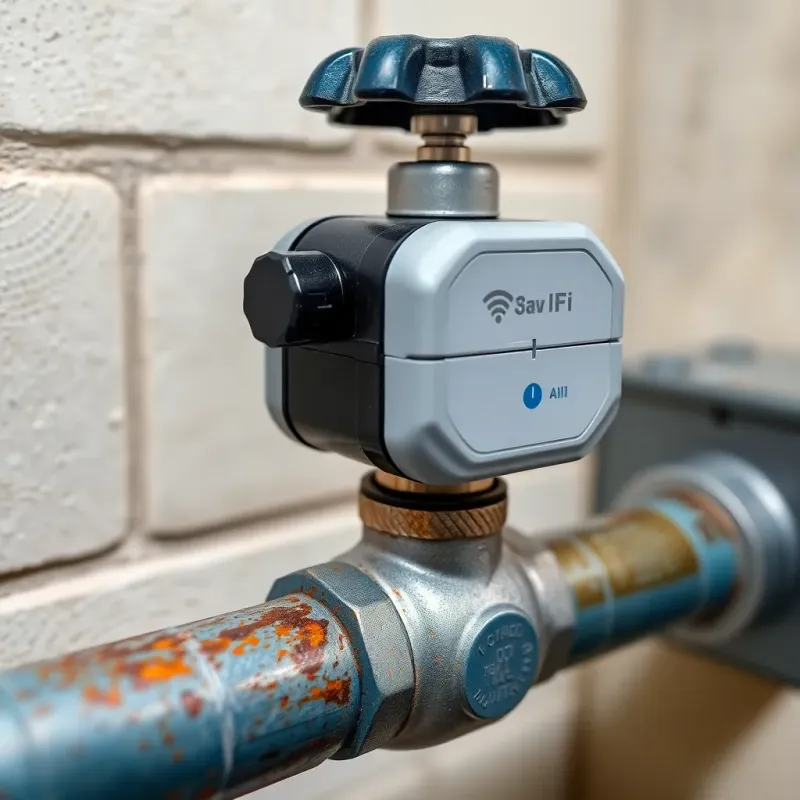
Modern smart shutoff valves integrate electronic sensors, microprocessors, and internet connectivity:
How they function:
- Flow sensors detect water usage patterns in real-time
- Advanced algorithms learn your normal usage (baseline)
- When flow exceeds normal parameters (indicating a leak), alerts trigger
- Many systems allow manual confirmation before shutoff
- Smartphone notifications alert you immediately
- You can view real-time water usage on a mobile app
- Automatic or manual shutoff can occur
Advantages:
- Real-time leak detection with smartphone alerts
- Learn your usage patterns and detect abnormal flow
- Remote access—you can shut off water from anywhere
- Water usage monitoring helps identify efficiency opportunities
- Detailed analytics show where water is being used
- Integration with smart home systems (Alexa, Google Home)
- Insurance discounts often available
- Some systems measure temperature changes indicating hot water leaks
Disadvantages:
- Significantly more expensive ($300-1,000+)
- Requires professional installation (adds $500-1,000)
- Depends on internet connectivity
- Batteries or electrical backup needed for functionality
- More complex, more potential failure points
- Monthly subscription fees for cloud services ($10-30/month)
- Setup and learning curve for app usage
- Potential privacy concerns with cloud data storage
Best for: Tech-savvy homeowners with high-value homes, those who travel frequently, and homeowners seeking comprehensive water usage monitoring.
Understanding Water Shutoff Valve Installation Options
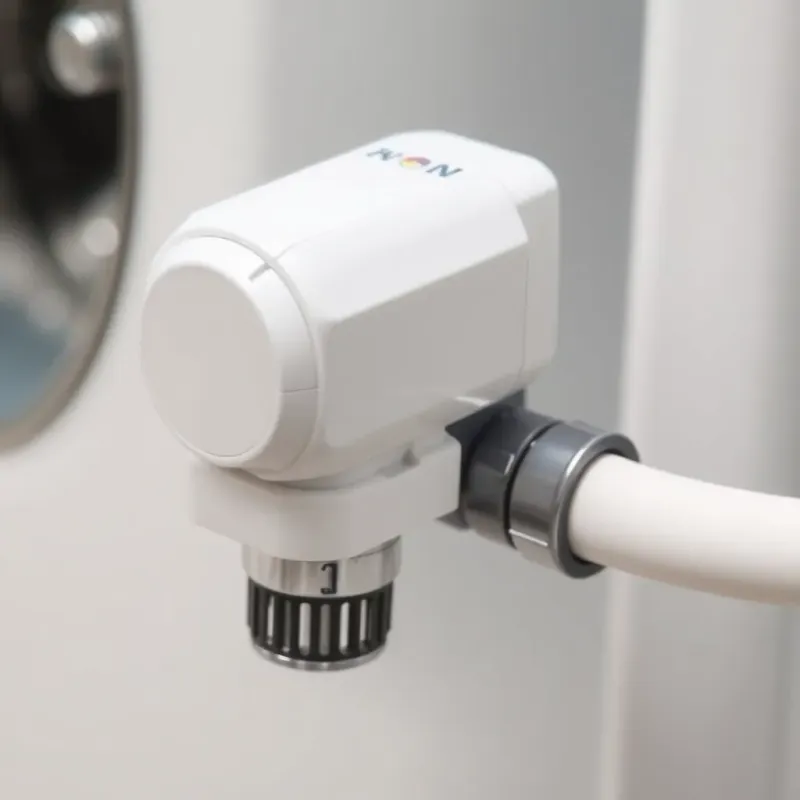
Point-of-Use Shutoff Valves
These valves install directly on the water supply lines to individual appliances, particularly washing machines, water heaters, and dishwashers.
Installation characteristics:
- Typically installed under or behind the appliance
- Require only basic plumbing knowledge
- Most homeowners can install these themselves in 15-30 minutes
- Cost: $30-100 for mechanical valves; $200-400 for smart valves
- Protect only that specific appliance
- Require no professional installation
Benefits:
- Quick and easy installation
- Affordable for single appliance protection
- Practical for renters and those unwilling to modify plumbing
- Can be installed at multiple locations for comprehensive coverage
- Easy removal when moving or upgrading appliances
Limitations:
- Doesn’t protect against whole-home water intrusion
- Requires installation at each appliance requiring protection
- Multiple installations can be complex to monitor
- Doesn’t provide home-wide water usage data
Whole-House Shutoff Valves
Whole-house systems install at the main water supply line entering your home, providing protection for all water systems.
Installation characteristics:
- Installed where the main water line enters your home
- Requires professional plumber installation
- Professional installation cost: $500-1,500
- Device cost: $200-1,200 depending on features
- Requires electrical connection or battery backup
- Professional integration with existing systems
Benefits:
- Comprehensive protection for entire home
- Single point of monitoring and control
- Most effective for catching any water intrusion
- Can shut off water to entire house remotely
- Provides accurate, whole-home water usage data
- Professional installation ensures proper integration
Limitations:
- Significant cost ($700-2,500 total installed)
- Requires professional installation
- More complex installation process
- Internet-dependent for smart features
- Professional maintenance may be required
When whole-house makes sense:
- Homes with high-value possessions
- Homes with multiple water-using appliances
- If you travel frequently for extended periods
- For homes experiencing recurring water issues
- In climates with freeze risk
Hybrid Approaches
Many homeowners use a combination strategy:
Typical hybrid setup:
- Mechanical point-of-use valves at washing machine and water heater ($60-200)
- Smart whole-house valve for main water line ($1,200-2,500 installed)
- This provides both immediate appliance-level protection and comprehensive home monitoring
- Cost: $1,260-2,700 total
Top Smart Water Shutoff Products in 2026
Professional-Grade Whole-House Systems
Phyn Plus Smart Water Shutoff ($500-800 device; $1,000-1,500 installed)
- Uses AI-powered acoustic sensors to detect leaks
- Provides drop-by-drop accuracy in water detection
- Smartphone app with real-time monitoring
- Voice control compatible (Alexa, Google Assistant)
- Professional installation included in many packages
- Insurance discounts up to 25% in some states
- Monitor multiple properties
- Rated: 4.7/5 stars
Moen Smart Water Shutoff ($600 device; $1,200-1,800 installed)
- Integrates with Moen SmartHome ecosystem
- Automatic and manual shutoff options
- Real-time water usage alerts
- Professional 24/7 monitoring available (paid)
- Works with Google Assistant and Alexa
- Battery backup for power outages
- Rated: 4.6/5 stars
Flowsense by Pentair ($400-600 device; $900-1,500 installed)
- Leak detection with automatic shutoff capability
- Integration with smart home systems
- Water usage reporting and analytics
- Professional installation recommended
- Lifetime warranty on device
- Rated: 4.5/5 stars
Affordable Point-of-Use Mechanical Options
WAXMAN ShutOFF Automatic Shut-Off Valves ($50-80 pair)
- Mechanical sensors, no electricity
- Installs directly on washing machine hoses
- Automatic shutoff on leak detection
- 10-year manufacturer warranty
- Rated: 4.7/5 stars
- Most cost-effective option
Watts Smart Water Shutoff Valve ($200-300 device; $400-700 installed)
- Single point-of-use installation
- Battery-powered, no electricity needed
- Smartphone notifications
- Affordable middle-ground option
- Rated: 4.4/5 stars
Costs, Savings, and Return on Investment
Installation and Equipment Costs
Mechanical point-of-use valves:
- Cost: $30-100 per pair
- DIY installation: $0 (professional: $100-200)
- Total: $30-300 per appliance
Smart point-of-use valves:
- Cost: $200-400
- Professional installation: $200-400
- Total: $400-800 per appliance
Whole-house mechanical valve:
- Cost: $150-400
- Professional installation: $500-1,000
- Total: $650-1,400
Whole-house smart valve:
- Device cost: $400-1,200
- Professional installation: $500-1,500
- Subscription (optional): $10-30/month
- Total initial: $900-2,700
Water Damage Prevention Savings
The average water damage claim costs $11,000. If a shutoff valve prevents even one significant leak, it pays for itself many times over:
- Prevented $20,000 leak: ROI of 700%-2,000% (device costs $150-2,700)
- Prevented $10,000 leak: ROI of 270%-6,700%
- Prevented $5,000 leak: ROI of 85%-3,300%
Most homeowners will experience at least one significant water leak requiring professional remediation during their home ownership. A shutoff valve investment can pay for itself from a single prevented incident. Here’s something most people don’t realize: the real value of these systems is not just preventing catastrophic floods—it is the overnight and vacation protection they provide. The majority of the worst water damage cases I have seen happened while homeowners were sleeping or away on trips, precisely the scenarios where automatic shutoff makes the biggest difference.
Insurance Discounts
Many homeowners insurance policies offer discounts for homes with water shutoff valves:
Discount percentages:
- Mechanical point-of-use valves: 5-10% discount
- Smart whole-house systems: 10-25% discount
- Some insurers offer 10-15% discounts simply for having monitored systems
Example discount calculation:
- Home insurance: $1,200/year
- 10% discount: $120/year savings
- Smart valve cost: $2,000
- Payback period: 16.7 years
- Over 20-year home ownership: $2,400 total savings (break-even in year 17)
In reality:
- Discounts are even better when combined with a prevented claim (no deductible, no rate increase)
- Deductibles are typically $500-2,500
- Claim avoidance saves far more than discounts alone
Is a Smart Water Shutoff Valve Worth It?
The Case For Installation
Smart water shutoff valves are worth the investment if any of these apply:
You travel frequently:
- Extended vacations or business travel
- Second homes or rental properties
- Away from home during winter freeze risks — see our guide on winterizing pipes to prevent water damage
- Risk of returning to frozen pipes or burst hoses
- Undetected leaks develop while you’re away
Your home has high-value contents:
- Extensive renovations with valuable finishes
- Electronics, art, or collectibles
- Important documents or irreplaceable items
- Water damage could devastate your belongings
You’ve experienced previous water damage:
- Your home has a history of leaks
- You’ve had insurance claims for water damage
- Known plumbing vulnerabilities
- Prevention of recurrence is critical
You have high-risk appliances:
- Washing machine on upper floors
- Multiple water-using appliances
- Old hoses or supply lines
- Known condensate issues with AC
Financial capacity:
- You can afford the investment without financial stress
- Insurance discounts will reduce costs
- Peace of mind is valuable to you
Your home’s location:
- Areas with extreme weather risks
- High freeze/thaw cycles in winter
- Flood-prone regions
- Hard water areas with mineral deposits
The Case Against Installation
Don’t prioritize shutoff valves if:
Budget constraints:
- Installation costs would strain finances
- You’re better served by basic maintenance first
- Other home improvements offer better ROI
Already low-risk home:
- New home with modern plumbing
- Recent full plumbing replacement
- No history of water damage
- Quality, maintained appliances
Limited time away from home:
- You’re home most days
- You’d notice leaks quickly
- Quick detection minimizes damage
Maintenance commitment:
- You already have a solid maintenance routine
- You inspect appliances regularly
- You’ve replaced aging hoses proactively
- You monitor your home actively
Technology discomfort:
- You’re uncomfortable with app-based systems
- You prefer simple mechanical solutions
- Internet connectivity concerns
- Preference for traditional approaches
Smart Home Integration and Features
Integration Options
Modern smart water shutoff valves integrate with popular smart home platforms:
Voice Control:
- Amazon Alexa: “Alexa, turn off my water”
- Google Assistant: Full integration with Google Home
- Apple Siri: Limited integration through HomeKit compatible devices
- Voice commands provide quick shutoff from anywhere
App Ecosystems:
- Smart home apps (Alexa, Google Home apps)
- Manufacturer-specific apps with advanced features
- IFTTT integration for custom automations
- Automation with other smart home devices
Automation Capabilities:
- Automatic shutoff if leak detected
- Temperature monitoring (freeze alerts)
- Scheduled notifications
- Integration with smart thermostats
- Automation with other water devices
Data and Analytics
Smart systems provide valuable water usage insights:
Usage monitoring:
- Real-time water consumption tracking
- Hourly, daily, and monthly usage reports
- Peak usage times identification
- Baseline comparison (is usage abnormal?)
- Cost analysis based on local rates
Leak detection intelligence:
- Flow anomaly alerts
- Temperature change notifications
- Pressure variation monitoring
- Predictive alerts before catastrophic failure
Efficiency opportunities:
- Identify high-consumption periods
- Spot unusual patterns indicating leaks
- Recommendations for water conservation
- Cost savings opportunities
FAQ About Smart Water Shutoff Valves
Q: Will a smart water shutoff valve actually prevent water damage? A: Yes, but only if you’re not home when a leak occurs. For leaks you can observe (like a burst hose in your presence), they won’t prevent damage you can already address. They’re most valuable for unobserved leaks at night or while traveling.
Q: What happens if my shutoff valve fails? A: If a mechanical shutoff valve fails, water continues to flow normally (safe failure). If a smart shutoff valve fails, it typically defaults to allowing normal water flow, though you lose monitoring capabilities. Most valves have backup power supplies and mechanical override options.
Q: Do I need a shutoff valve at the main line or at individual appliances? A: Individual appliance shutoff valves are easier to install and affordable. Main-line valves provide comprehensive protection but cost more. Many homeowners use both for layered protection.
Q: Will my insurance company require a shutoff valve? A: Typically no, but they will offer discounts if you have one. Some high-value homes or those in high-risk areas may be incentivized or required to have them.
Q: How long do smart shutoff valves last? A: Most devices have 5-10 year warranties with expected lifespans of 10-15 years. Like any electronic device, they eventually require replacement.
Q: Can I install a smart shutoff valve myself? A: Point-of-use valves can be DIY-installed by handy homeowners. Main-line valves require professional installation due to complexity and code requirements.
Q: What’s the difference between leak detection and shutoff? A: Leak detection systems alert you when a leak is found; shutoff valves automatically close to stop water flow. Many modern smart systems combine both features.
Q: Do smart shutoff valves work during power outages? A: Mechanical valves work during outages. Smart valves require battery backup or mechanical override to function during power loss.
Conclusion
Smart water shutoff valves represent a modern approach to a timeless problem: water damage. While they’re not absolutely necessary for every homeowner, they provide excellent value for those who travel frequently, own high-value homes, or who wish to maximize protection against a leading cause of home damage.
The decision ultimately depends on your specific circumstances:
- Invest immediately if you travel frequently, have had previous water damage, or own valuable contents
- Consider it if insurance discounts offset costs and peace of mind is valuable to you
- Skip it for now if budget is tight, your home is low-risk, and you’re diligent about maintenance
- Start with point-of-use mechanical valves ($30-100) as an affordable first step toward broader protection
The best protection strategy combines multiple approaches: regular maintenance, visual inspections, basic mechanical shutoff valves at high-risk appliances, and—if your situation warrants it—a smart whole-house system with monitoring and remote control capabilities.
Water damage is largely preventable through a combination of vigilance, maintenance, and protection systems. Pair shutoff valves with water leak detectors for comprehensive coverage. Smart shutoff valves are an increasingly popular and effective tool in that prevention arsenal.
Disclaimer: This article is for informational purposes only and does not constitute professional advice. Every water damage situation is unique. Always consult a licensed contractor or restoration professional for your specific situation. If you’re dealing with an emergency, contact your local restoration company immediately.