Understanding Water Damage From AC Units
Air conditioning systems are essential for comfort during hot months, but many homeowners don’t realize that their AC units can become a significant source of water damage. Every year, thousands of homes experience costly water damage that could have been prevented with proper maintenance and understanding of how AC systems work.
The condensation that forms inside your AC unit is a natural byproduct of the cooling process. This moisture needs to drain away safely, but when something goes wrong in the drainage system, water can accumulate inside your home. Water damage from AC units can range from minor cosmetic issues to severe structural damage affecting multiple rooms and requiring extensive repairs.
Key Takeaway: A clogged condensate drain line is the number one cause of AC water damage, and it is almost entirely preventable with twice-yearly professional maintenance and a quick monthly check that water is flowing from the outdoor drain outlet.
In this comprehensive guide, we’ll explore the common causes of AC water damage, proven prevention strategies, and what to do if your air conditioner has already caused water damage to your property.
Common Causes of AC Water Damage
Clogged Condensate Drain
The most frequent cause of AC water damage is a clogged condensate drain line. Your air conditioner produces several gallons of water daily as it removes humidity from your indoor air. This water travels through a condensate line—typically a small pipe about half an inch in diameter—to drain away from your home.
When this drain becomes blocked by algae, dust, dirt, or debris, water cannot escape properly. Instead, it backs up and overflows into your ceiling, walls, or the area surrounding your indoor AC unit. A clogged drain can develop gradually or suddenly, sometimes going unnoticed for weeks while water accumulates.
Frozen Evaporator Coils
When your AC system’s evaporator coils freeze, water cannot drain properly during the thawing cycle. This typically occurs due to restricted airflow caused by dirty filters, closed vents, or low refrigerant levels. As ice melts, the resulting water overwhelms the drainage system, causing leaks.
Frozen coils can form rapidly, sometimes within just a few hours of operation, making this a serious concern that requires immediate attention.
Rusted or Damaged Drain Pan
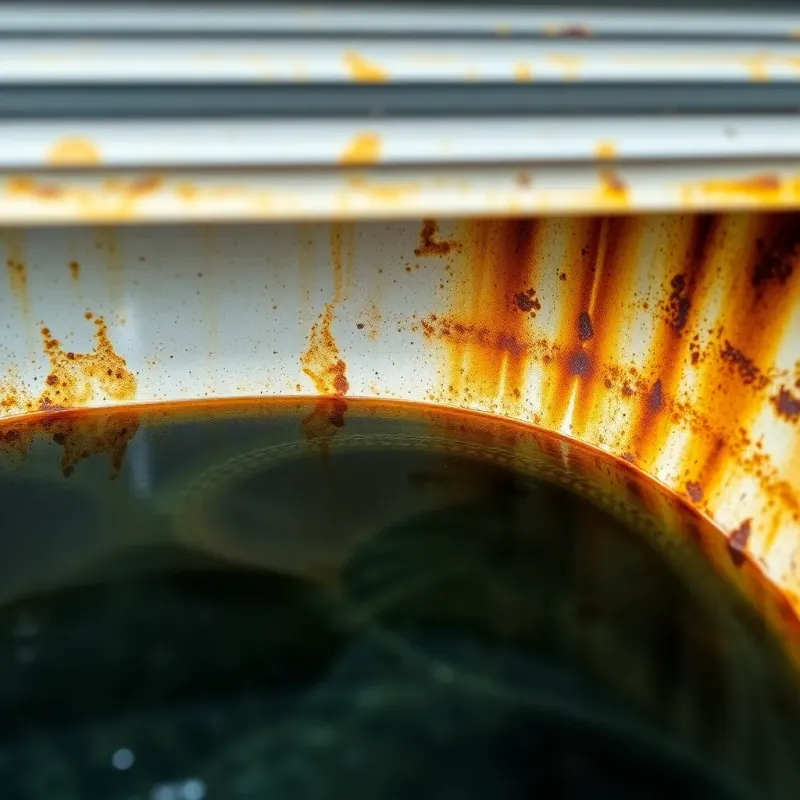
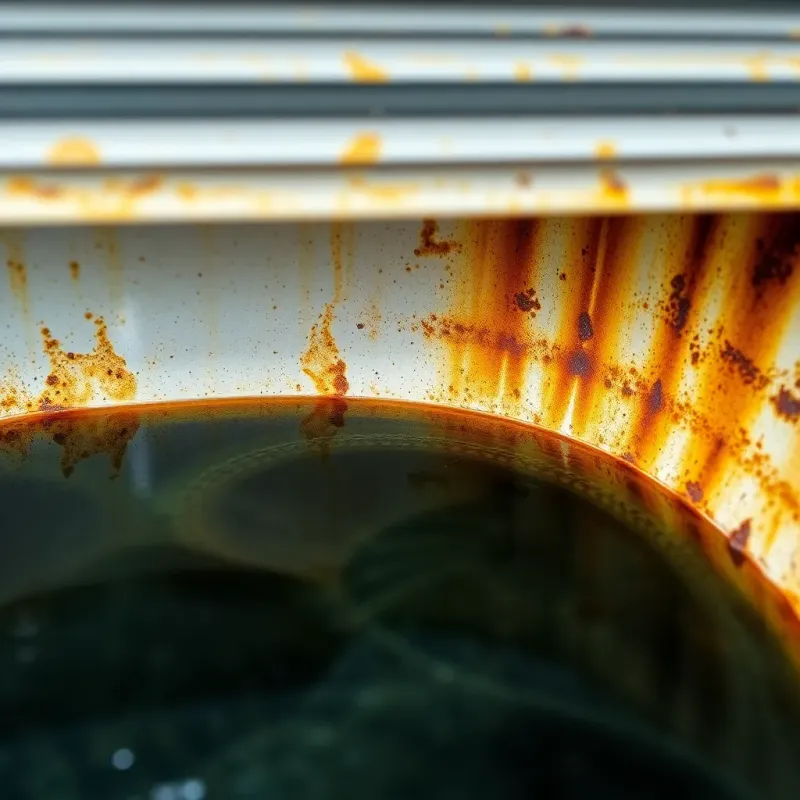
The drain pan located beneath your AC’s indoor unit collects condensation before it travels down the drain line. Over time, metal drain pans can rust, corrode, and develop holes. If the pan fails to contain the water, it drips directly onto your flooring, walls, or anything beneath the unit.
This is particularly common in older systems or those in humid climates where moisture accelerates corrosion.
Disconnected or Damaged Drain Lines
During installation, maintenance, or accidental impacts, condensate drain lines can become disconnected from the main drain system. Even a slight separation allows water to escape into wall cavities or attic spaces. Additionally, drain lines can crack, split, or develop holes from age, pest damage, or UV exposure for outdoor components.
Low Refrigerant Levels
Insufficient refrigerant causes your AC system to work harder and run longer, often dropping indoor temperatures below the freezing point of water. This leads to frozen evaporator coils and the drainage problems discussed above.
Preventing AC Water Damage
Schedule Regular Maintenance
The single most important prevention step is scheduling professional AC maintenance twice yearly—typically before summer and winter seasons. During maintenance appointments, technicians should:
- Clean or replace air filters
- Inspect and clean condensate drain lines
- Check the drain pan for rust or damage
- Verify refrigerant levels
- Examine all drain line connections
- Test the system’s overall performance
Regular maintenance catches small problems before they become expensive water damage claims. Here’s something most people don’t realize: if your AC unit is installed in the attic—which is common in many homes—a clogged drain can silently dump gallons of water into your ceiling before you ever see a single drip downstairs. A secondary drain pan with its own overflow line is not optional in attic installations; it is essential.
Clean or Replace Air Filters Monthly
Dirty air filters restrict airflow, leading to frozen evaporator coils. Check your AC’s filter monthly during the cooling season and replace it when it appears dusty or clogged. High-efficiency filters may need replacement more frequently than basic fiberglass filters.
Keep Vents and Returns Clear
Ensure that all air return vents throughout your home are unobstructed. Blocked returns reduce airflow to your AC system, creating the conditions for frozen coils. Avoid placing furniture, curtains, or other items in front of vents.
Monitor Drain Line Regularly
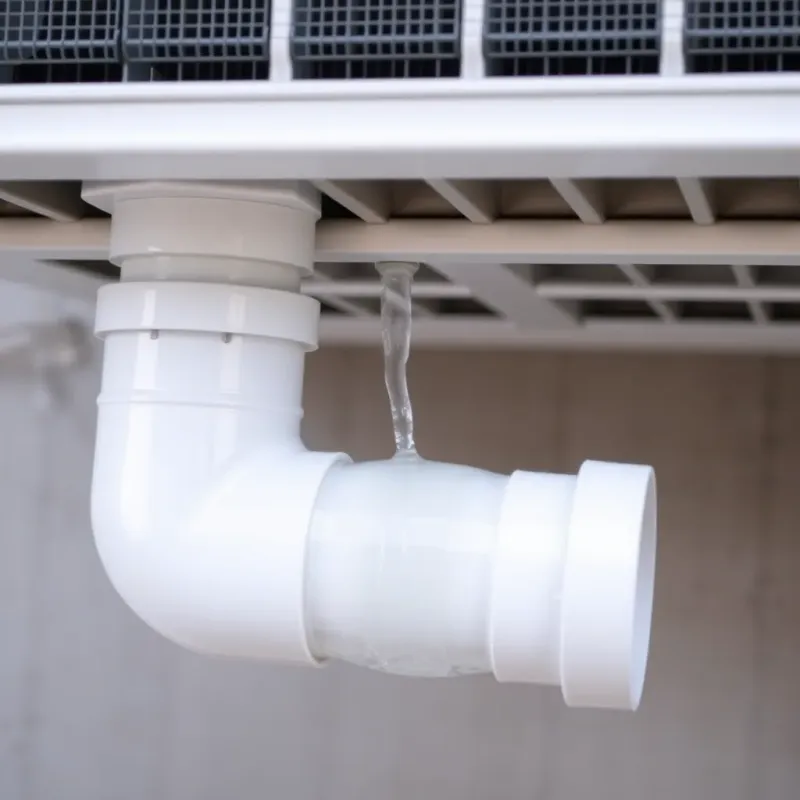
Visually inspect your condensate drain line periodically. You should see water dripping from the outdoor portion during hot, humid days when your AC is running. If you don’t see water flowing, the drain may be clogged.
Install a Safety Pan with Drain
If your AC unit is located in an attic or above critical areas, consider installing a secondary drain pan beneath the unit with its own drain line to the outdoors. This catches water if the primary drainage system fails.
Use Smart Detection Systems
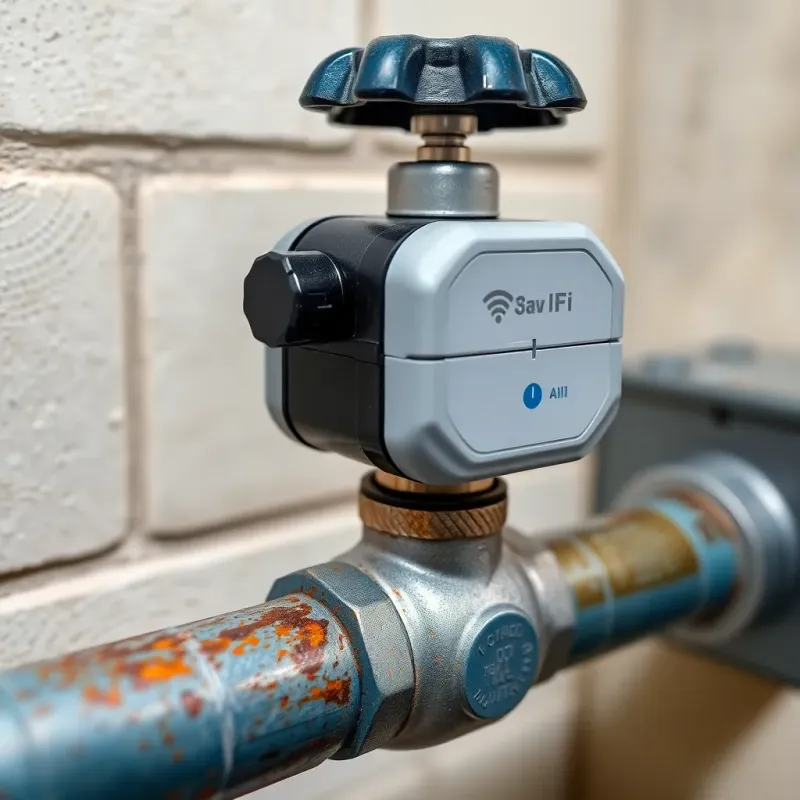
Modern smart water detection sensors can alert you immediately when moisture is detected near your AC unit. These devices provide early warning before significant damage occurs.
What to Do If Your AC Has Caused Water Damage
Immediate Steps (First 24 Hours)
Turn off the AC system immediately to prevent additional water from accumulating. Do not restart it until a professional has inspected the unit and identified the problem.
Remove standing water carefully using wet-dry vacuums, towels, or professional water extraction equipment. Do not attempt this if there’s electrical equipment in the water or if water level is high.
Increase air circulation by opening windows and running ceiling fans or portable fans. Follow our guide to drying out rooms after water damage to begin the drying process and help prevent mold growth.
Document all damage with photographs and videos before touching anything. This documentation is essential for insurance claims. Take photos of the wet areas, damaged materials, and the AC unit showing the source of the water.
Professional Assessment and Repair
Contact a water damage restoration company and HVAC technician:
- Water damage professionals assess the extent of water intrusion, determine drying needs, and begin restoration
- HVAC technicians identify the specific cause of the leak and repair the AC system
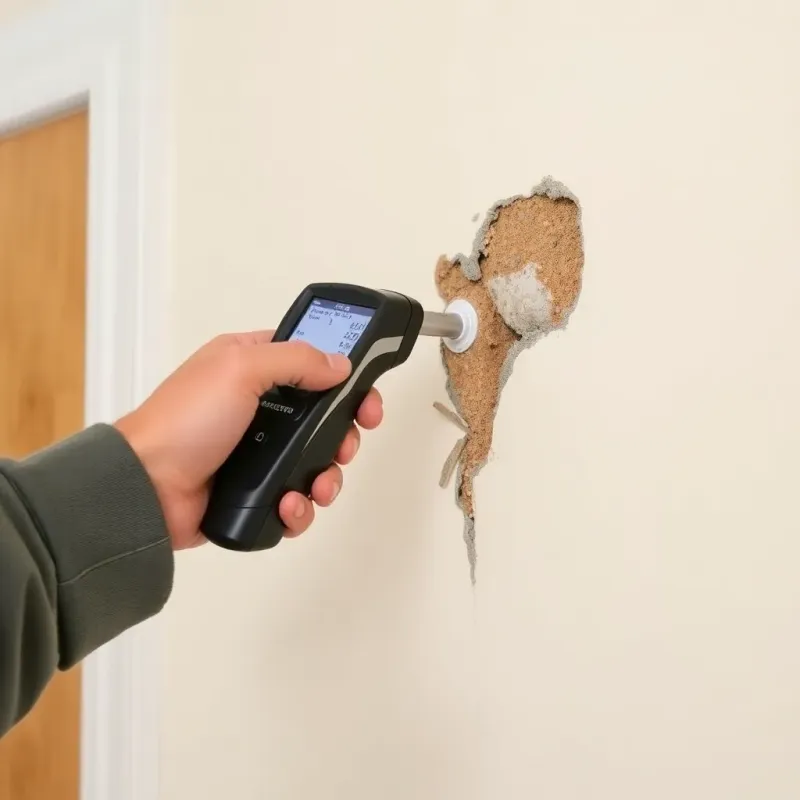
Do not assume the problem is solved once the water is extracted. Hidden moisture in walls, ceilings, and insulation can lead to mold growth weeks later.
Drying and Remediation
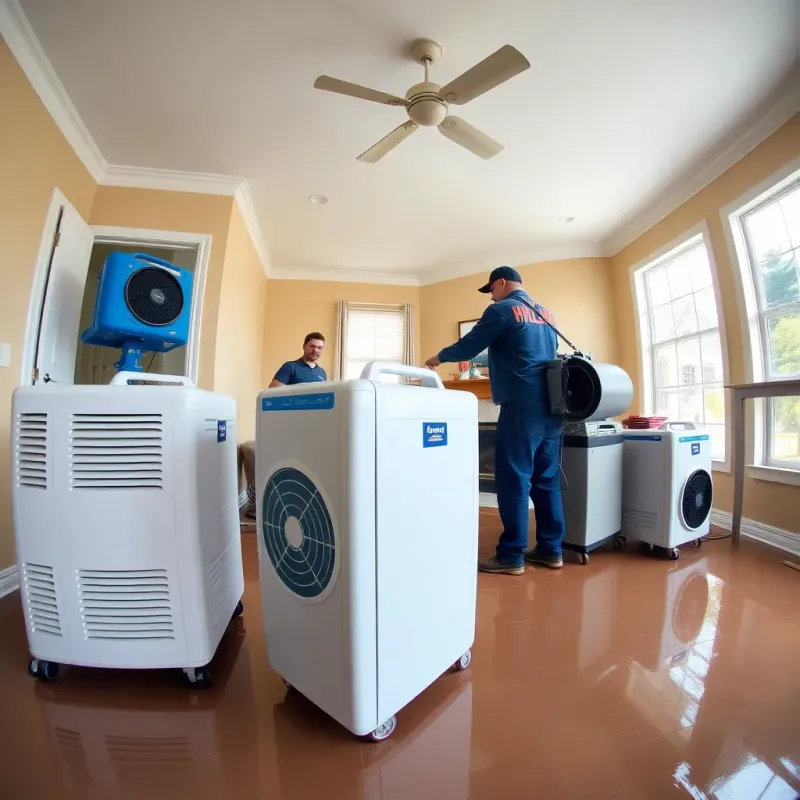
Professionals will use commercial dehumidifiers and air movers to dry affected areas completely. This process typically takes 3-7 days depending on the extent of water damage. Affected materials like drywall, insulation, and flooring may need replacement if they’ve been saturated for more than 24-48 hours.
Prevention of Mold Growth
Within 24-48 hours of water damage, mold can begin growing in damp materials. Professional remediation includes antifungal treatments to prevent mold colonization. If mold does develop, specialized mold remediation becomes necessary.
Repair Steps for Common AC Water Damage Causes
Clearing a Clogged Condensate Drain
A clogged drain can sometimes be cleared using:
- An air compressor to blow compressed air through the line
- A wet-dry vacuum pulling suction on the drain outlet
- A plumbing snake or wire to dislodge debris
- A mixture of vinegar and baking soda flushed through the line
For stubborn clogs or internal blockages, professional drain cleaning equipment may be necessary.
Repairing a Damaged Drain Pan
A rusted or cracked drain pan must be replaced. The indoor AC unit typically must be temporarily removed or the coil assembly accessed to replace the pan completely. This is a job best left to licensed HVAC technicians.
Replacing Disconnected or Damaged Drain Lines
Drain lines should be reattached securely or replaced entirely if cracked or split. Technicians will ensure proper slope (typically 1/4 inch per 10 feet) so water flows freely toward the outdoor drain outlet.
Addressing Frozen Coils
Once coils thaw naturally (do not attempt to speed this up), the HVAC technician will diagnose the underlying cause—usually low refrigerant, dirty filters, or restricted airflow—and correct the issue. The system can then be safely restarted.
Insurance Coverage for AC Water Damage
Homeowners Insurance Coverage
Whether your homeowners insurance covers AC water damage depends on your specific policy and the cause of the damage:
Covered scenarios:
- Sudden, accidental AC failure causing immediate water release
- Storm damage to exterior AC components
- Damage from a mechanical failure unrelated to maintenance neglect
Not typically covered:
- Water damage from lack of maintenance or negligence
- Gradual leaks that developed over time
- Damage from clogged drains (preventable through regular maintenance)
Steps to Take for Claims
- Document all damage with photos and video
- Preserve damaged materials for inspection
- Contact your insurance company immediately
- Request a claims adjuster visit
- Obtain repair estimates from licensed contractors
- Keep detailed records of all communication and expenses
FAQ About AC Unit Water Damage
Q: How much water can an AC unit leak in one day? A: A typical AC system produces 5-20 gallons of condensation daily depending on humidity levels and system runtime. If the drain is completely blocked or the pan is cracked, all this water could accumulate in your home within a single day.
Q: Can I clean the condensate drain myself? A: Simple clogs near the drain outlet can sometimes be cleared by homeowners using a wet-dry vacuum or compressed air. However, more serious blockages deep in the line require professional equipment and expertise to avoid damaging the drain system.
Q: How often should I have my AC inspected for water damage risks? A: Have your AC professionally inspected twice yearly—before summer and winter. Between professional visits, check monthly that water is dripping from the outdoor drain outlet during operation.
Q: What’s the difference between normal AC condensation and a leak? A: Normal operation produces a small, steady stream of water from the outdoor drain outlet during hot, humid weather. A leak involves visible water inside your home, around the indoor unit, or dripping from ceilings and walls.
Q: Will my AC still work if the condensate drain is clogged? A: Initially, yes, but the system will continue running while water accumulates. Eventually, as water backs up into the unit itself, some systems have float switches that shut down the AC to prevent additional water damage. However, many older systems lack this safety feature and will continue leaking.
Q: How much does it cost to replace a condensate drain line? A: Simple drain clearing runs $150-300. Complete drain line replacement typically costs $300-800 depending on the line’s length and location. Regular maintenance that prevents clogs is far more cost-effective than emergency repairs.
Conclusion
Water damage from AC units is largely preventable through regular maintenance, prompt attention to warning signs, and understanding how your air conditioning system works. By implementing the prevention strategies outlined in this guide—scheduling regular maintenance, replacing filters promptly, and monitoring your drainage system—you can protect your home from costly water damage.
If you do experience AC-related water damage, act quickly to remove standing water, document the damage for insurance purposes, and contact both water damage restoration professionals and your HVAC technician. The faster you respond, the less extensive the damage will become and the lower your restoration costs.
Remember: an ounce of prevention is worth a pound of cure. Invest in regular AC maintenance today to avoid expensive water damage repairs tomorrow.
Disclaimer: This article is for informational purposes only and does not constitute professional advice. Every water damage situation is unique. Always consult a licensed contractor or restoration professional for your specific situation. If you’re dealing with an emergency, contact your local restoration company immediately.