How Long Do You Have to File a Water Damage Insurance Claim?
I remember one client who waited just 45 days to file her water damage claim after a burst pipe flooded her kitchen. She thought she had plenty of time. Turns out, her policy required notification within 30 days of discovery, and the insurer denied her entire claim — over $14,000 in damages, gone. That one still sticks with me because it was completely avoidable. After spending over a decade helping homeowners navigate the insurance process, I can tell you that understanding your filing deadlines is the single most important thing you can do after water damage hits.
Following the immediate actions to take in the first 24 hours is critical while you prepare your claim. In this guide, I’ll walk you through the exact deadlines you need to know, state-specific requirements, and the strategies I’ve seen work time and again to make sure no one misses their window.
Key Takeaway: Most insurance policies require you to notify your insurer within 30 to 60 days of discovering water damage, but the sooner you file, the stronger your claim. Don’t confuse the notification deadline with the longer statute of limitations — missing either one can cost you your entire payout.
The Quick Answer: Notice of Loss Timeline
Most insurance policies require you to notify your insurer of water damage within 30 days of discovery. However, this timeline varies by state, policy type, and the nature of the damage. Here’s what you need to know:
- Notification deadline: 30-60 days from discovery (varies by state)
- Actual claim filing: Can typically be filed within 1-3 years
- Settlement deadline: Often 2-5 years to resolve claims
The distinction between notification and filing is crucial. Notifying your insurer immediately protects your claim, while the actual formal filing and documentation can take longer.
Understanding the Two Critical Deadlines
Notice of Loss: Your Immediate Responsibility
The “notice of loss” is your formal notification to the insurance company that damage has occurred. This is your most critical deadline.
Why timing matters:
- Insurance companies document the notification date in their records
- Delays in notification can provide grounds for claim denial
- Some policies include specific notice requirements in their terms
- Your coverage may be jeopardized if you wait too long
Most policies state you must provide notice “without unreasonable delay” or within a specified timeframe. For homeowners insurance, this typically means 30 to 60 days from when you discover the damage.
Claim Filing: The Formal Documentation Process
After initial notification, you’ll need to file a formal claim with detailed documentation. This deadline is usually much longer—typically 1 to 3 years from the date of loss.
However, don’t let the extended timeline deceive you. Filing quickly provides several advantages:
- Evidence is fresher and more compelling
- Professional documentation is easier to arrange
- Mold development can be minimized with prompt attention
- Your insurer can schedule their adjuster while conditions are optimal
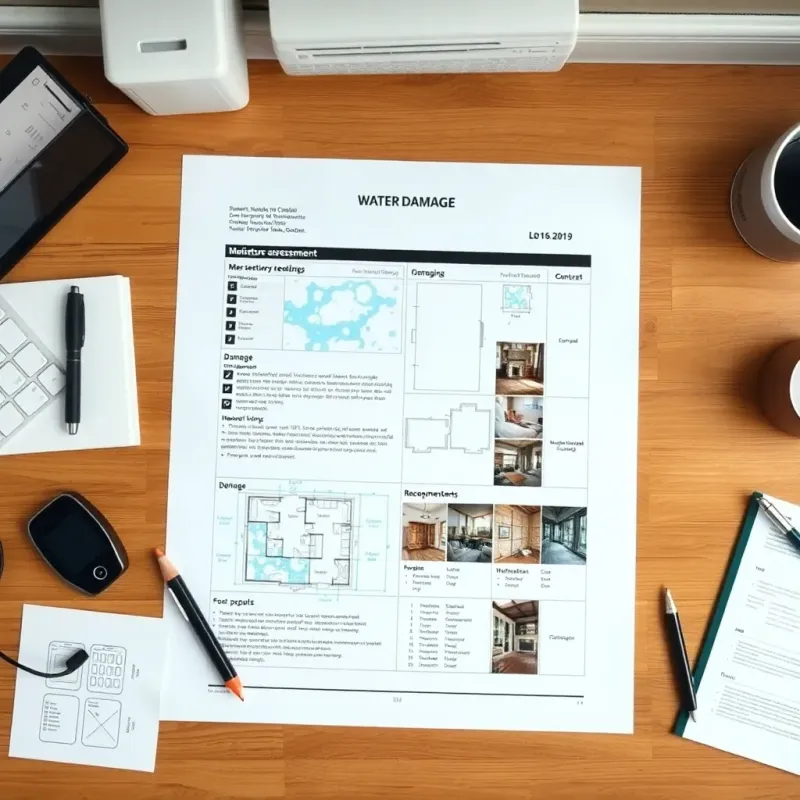
State-by-State Statute of Limitations
The statute of limitations varies significantly by state. This is the legal deadline by which you must file a lawsuit against your insurer if they deny your claim or offer inadequate compensation.
Here is a reference table covering some of the most common states. Keep in mind that laws change, so always verify with a local attorney or your state’s Department of Insurance.
| State | Statute of Limitations | Typical Policy Notice Requirement | Key Notes |
|---|---|---|---|
| California | 4 years from discovery | 30 days | Discovery rule applies to hidden damage |
| Florida | 5 years from loss | 30 days | One of the longest windows in the U.S. |
| Texas | 2 years from discovery | 60 days | Notice period is longer than most states |
| New York | 3 years from discovery | 30 days | Courts may extend for hidden damage |
| Illinois | 5 years from loss | 30 days | Generous statute but strict on notice |
| Georgia | 6 years from loss | 30-60 days | Among the longest statutes nationwide |
| Ohio | 4 years from loss | 30 days | Standard notice requirements |
| Pennsylvania | 4 years from loss | 30 days | Courts favor policyholders on ambiguity |
| Colorado | 2 years from loss | 30 days | Shorter window — act fast |
| Washington | 3 years from loss | 30 days | Standard timeline |
| Alabama | 2 years from loss | 30 days | Short statute — don’t delay |
| Arizona | 2 years from loss | 30 days | Desert climate doesn’t mean no water claims |
| Louisiana | 1 year from loss | 30 days | Shortest major-state statute — file immediately |
| Mississippi | 1 year from loss | 30 days | Same urgency as Louisiana |
Important note: Your state’s statute of limitations doesn’t eliminate the need for prompt notification. Even if you have 3 years to file a lawsuit, your insurance policy likely requires notice within 30-60 days.
Pro tip from my experience: I always tell my clients to look up their state’s deadline before they ever have water damage. Write it on a sticky note and put it inside your policy folder. When disaster strikes, you won’t have the headspace to research deadlines — you’ll just need to act.
What “Discovery” Actually Means
Understanding when damage is “discovered” is essential for calculating your deadline.
Discovery typically occurs when:
- You first notice visible signs of water damage
- A professional identifies damage during inspection
- Damage becomes apparent despite initial non-visibility
For example, if water leaks within your walls and you don’t discover the damage for 6 months, your deadline begins at discovery—not when the leak started. However, once you should reasonably have discovered the damage (when a reasonable person would notice), your timeline begins.
This distinction becomes particularly important for slow leaks or damage hidden in walls, attics, or crawl spaces.
Common Reasons for Missed Deadlines
Understanding why people miss filing deadlines helps you avoid these costly mistakes.
Underestimating Initial Damage
Many property owners assume damage is minor and delay notification. Days later, they discover extensive secondary damage like mold growth or structural issues. By then, the window for initial notification may be narrowing.
Prevention strategy: Have a professional assess all damage immediately, even if it appears minor.
Personal tip: In my years of working with homeowners, I’ve seen “minor” leaks turn into $15,000 mold remediation jobs more times than I can count. If you can see water damage, there’s almost always more hiding behind the walls. Get a professional out there on day one — it costs a few hundred dollars but can save you tens of thousands.
Assuming Your Insurer Will Reach Out
Your insurance company won’t initiate the claims process on your behalf. The burden of notification rests entirely on you.
Prevention strategy: Document everything and contact your insurer on the day of discovery.
Confusion About Policy Terms
Insurance policies contain specific language about notification requirements. Policy holders often aren’t familiar with these terms until damage occurs.
Prevention strategy: Review your policy now, before an emergency. Note the specific notice requirements and contact procedures.
Difficulty Locating Policy Information
In the chaos following water damage, finding your policy details takes time you don’t have.
Prevention strategy: Keep a copy of your policy and agent contact information in multiple locations (physical and digital).

Step-by-Step: Meeting Your Deadlines
Immediate Actions (Day 1)
- Stop the water source: Address the immediate cause if safely possible
- Document the damage: Take photos and video from multiple angles
- Contact your insurance company: Call your agent or the company’s emergency line
- Request a claim number: This creates an official record of your notification
- Save all documentation: Photos, receipts, and communication records
Days 2-7
- Get a professional assessment: Have a water damage restoration company evaluate the extent
- Document all damage: Create a detailed inventory with photos of each affected area
- Obtain repair estimates: Get written quotes from licensed contractors
- File your formal claim: Follow our step-by-step guide to filing your claim and submit all documentation to your insurance company
- Keep detailed records: Save copies of everything you submit
Week 2-4
- Follow up with your insurer: Confirm receipt of your claim materials
- Schedule the insurance adjuster visit: Coordinate a mutually convenient time
- Prepare for the adjuster inspection: Ensure areas are accessible for evaluation
- Continue documentation: Document any additional damage that becomes apparent
Tips to Avoid Missing Your Deadline
Create a Timeline Reminder
The moment you discover water damage, create a calendar alert for 25 days after discovery. This gives you a 5-day buffer before the typical 30-day deadline.
Keep Everything in One Place
Create a dedicated folder (physical and digital) for:
- Policy documents
- Claim forms
- Photos and videos
- Professional assessments
- Repair estimates
- All correspondence with your insurer
Use Your Insurance Company’s Online Portal
Most modern insurers offer online claim management systems. These provide:
- Automatic deadline tracking
- Document upload capability
- Real-time claim status updates
- Communication history records
Don’t DIY Complex Documentation
While you can take initial photos, hire professionals for:
- Structural assessments
- Mold evaluation
- Water damage extent determination
- Repair cost estimation
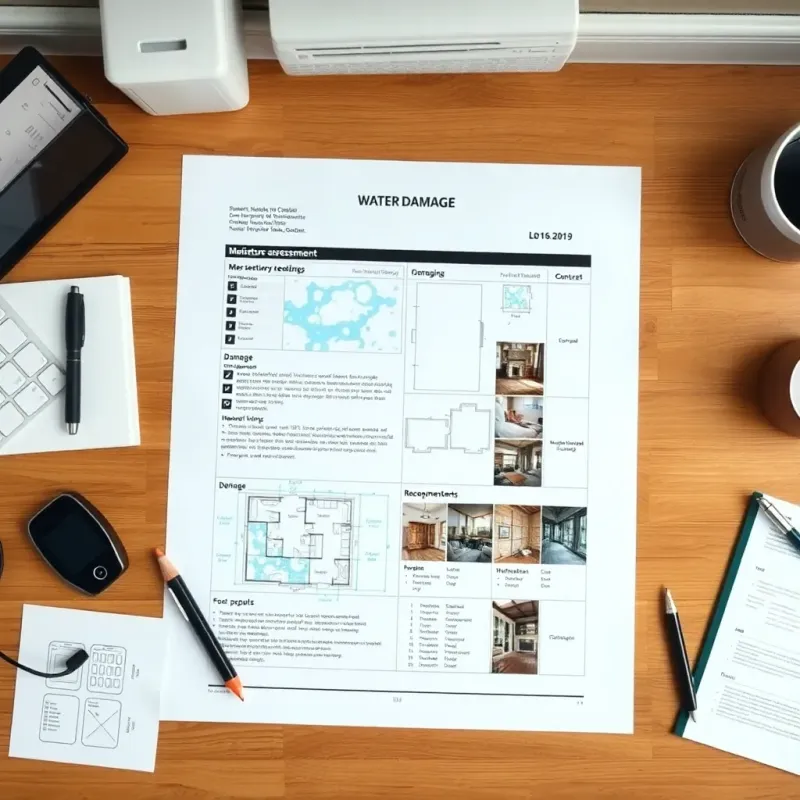
Professional documentation carries more weight with insurers and helps prove claim validity. Be sure to document damage thoroughly and quickly to strengthen your case.
Personal tip: I always tell my clients: “Your phone is your best friend right now.” Before you mop up a single drop of water, open your camera and take at least 50 photos and a video walkthrough. I’ve watched adjusters increase payouts by thousands just because the homeowner had clear, timestamped evidence from the first hour.
What Happens If You File Late?
Missing your notification deadline can have serious consequences, though not all is lost.
Potential Denial
Your insurer may deny the claim entirely, citing policy violation. However, many states have unfair claims practices acts that prevent insurers from using strict deadlines as a denial reason if they suffered no prejudice.
Reduced Coverage
If the insurer can prove your delay caused them difficulty in evaluating the claim, they may offer a reduced settlement rather than full coverage.
Requirement to Prove Good Faith
You’ll need to demonstrate that:
- You reported the damage as soon as reasonably possible
- Delay didn’t hamper the insurer’s investigation
- Damage extent remains clearly documented
- The insurer can’t prove prejudice from the delay
Litigation Becomes Necessary
If your insurer denies a late claim, you may need to file a lawsuit. This requires proving either:
- You couldn’t reasonably discover the damage earlier
- The delay didn’t prejudice the insurer’s investigation
- Your state law prevents deadline-based denials
Special Circumstances Extending Your Timeline
Certain situations may extend filing deadlines:
Vacant or Abandoned Properties
Some policies extend notice requirements if the property was vacant when damage occurred.
Gradual/Hidden Damage
Slow leaks or damage within walls may have extended discovery timelines, as the damage wasn’t reasonably discoverable earlier.
Natural Disasters
During widespread flooding or storms, some insurers may extend notice deadlines temporarily due to system overload.
Policy Changes
If damage occurred under a different policy than you currently hold, your old policy’s deadline applies.
Maximizing Your Claim Within the Timeline
Meeting deadlines is just the beginning. To maximize your claim payout:
Document Comprehensively
- Photograph damage from multiple angles
- Record video showing extent and severity
- Photograph undamaged similar items for comparison
- Document the condition before cleanup
Gather All Evidence
- Original receipts for damaged items
- Recent appraisals if items have significant value
- Contractor estimates for repairs — understand restoration costs while filing your claim to set realistic expectations
- Medical records if mold exposure caused health issues
Communicate in Writing
- Email your insurer rather than calling
- Keep copies of all correspondence
- Use certified mail for important documents
- Document all phone conversations with date and agent name
Be Honest and Detailed
- Provide accurate information about the damage source
- Include all damaged areas, even minor ones
- Explain how the damage occurred in detail
- Acknowledge any contributing factors honestly
FAQ: Water Damage Claim Deadlines
Q: Can I file a water damage claim months after it occurs? A: Yes, you can typically file a claim 1-3 years after the incident, depending on your state’s statute of limitations. However, you must notify your insurer within 30-60 days of discovery. Late notification can jeopardize your claim.
Q: What if I didn’t realize I had water damage until months later? A: Your deadline begins when you discover the damage, not when it occurred. However, you should notify your insurer immediately upon discovery. The longer you wait after discovery, the more difficult it becomes to prove the damage wasn’t caused by neglect.
Q: Does my insurance claim deadline differ from the statute of limitations? A: Yes. Your claim notification deadline (typically 30-60 days) is separate from the statute of limitations (1-5 years depending on state). Both deadlines apply. Missing either can result in claim denial.
Q: What happens if I miss the 30-day notification deadline? A: It depends on your state, policy, and insurer. Many will still process claims filed late if you can demonstrate the delay didn’t prejudice their investigation. However, late notification provides grounds for denial and reduces your leverage.
Q: Can my insurance company sue me for late claim notification? A: No, but they can deny your claim. However, many states’ unfair claims practices acts prevent this if the insurer can’t prove your delay harmed their ability to investigate.
Don’t let a missed deadline cost you thousands in uncompensated water damage repair costs. Contact us today for guidance on documenting and filing your claim correctly, or call our emergency line if you’ve discovered recent water damage. Our specialists ensure no deadline is missed and your claim receives the maximum consideration.
Disclaimer: This article is for informational purposes only and does not constitute professional advice. Every water damage situation is unique. Always consult a licensed contractor or restoration professional for your specific situation. If you’re dealing with an emergency, contact your local restoration company immediately.