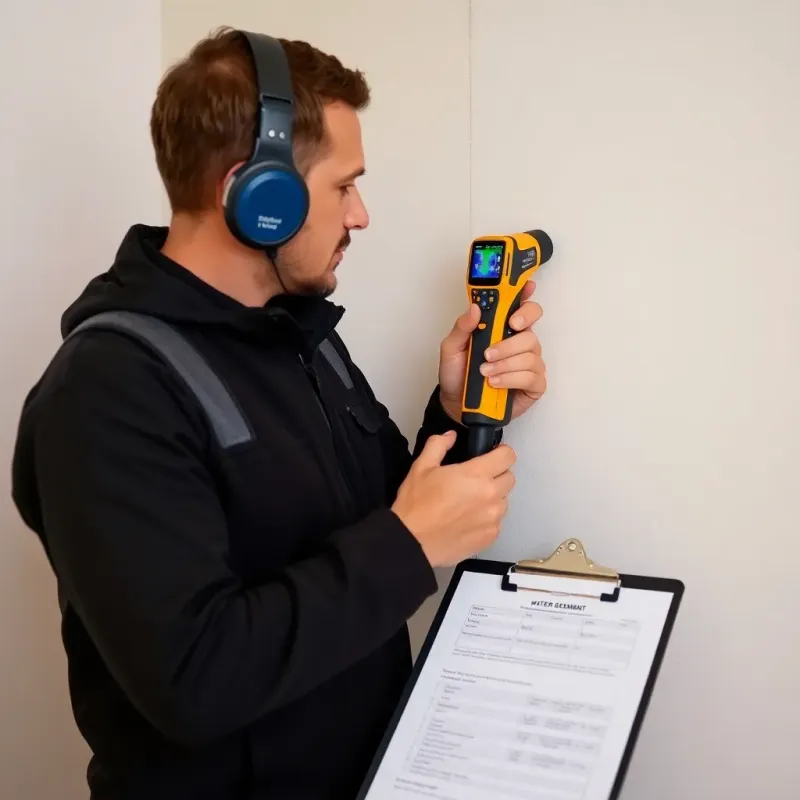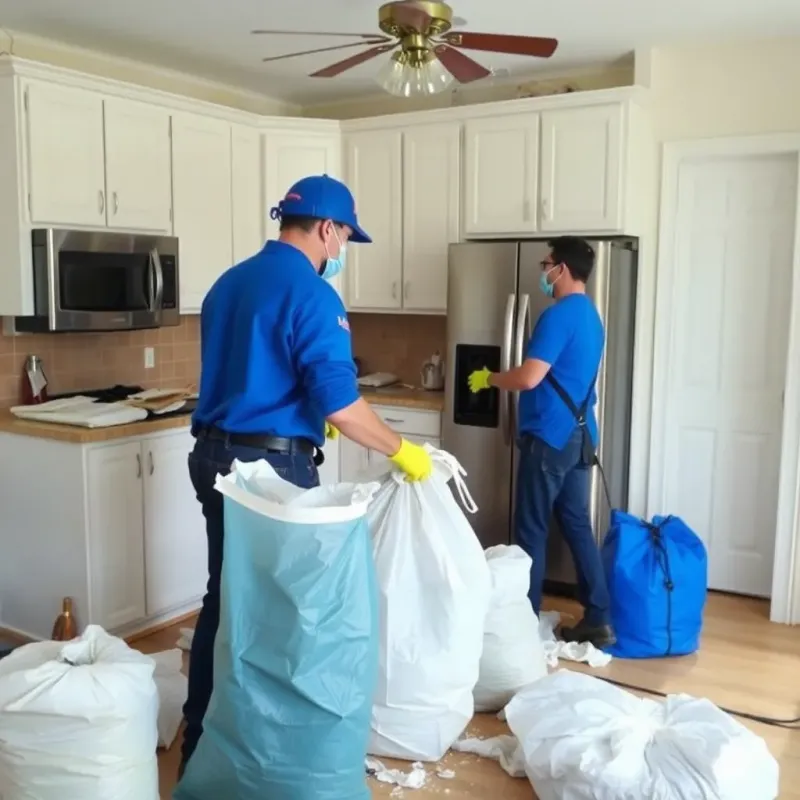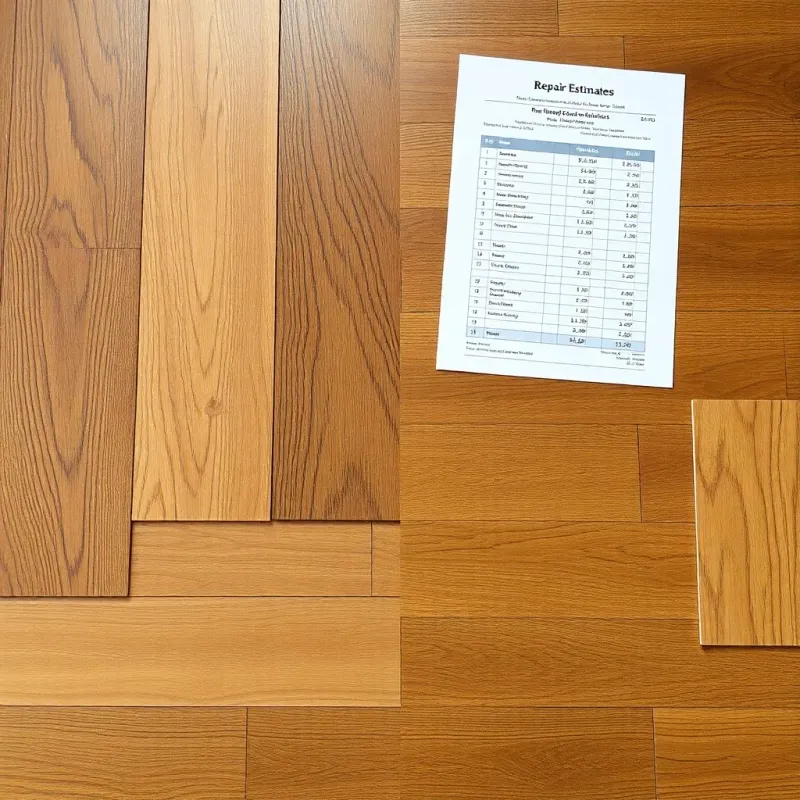
Water damage and mold growth often go hand in hand. When water infiltrates your home, it creates the perfect environment for mold to thrive, potentially requiring expensive remediation. Understanding mold remediation costs after water damage helps you budget appropriately and make informed decisions about your home’s restoration. Mold remediation is often part of total water damage restoration expenses that homeowners face.
This comprehensive guide breaks down mold remediation expenses, explores the factors that influence pricing, and explains your options for professional versus DIY approaches.
Key Takeaway: Mold remediation costs range from $500 for small areas to $15,000+ for extensive infestations, but acting within 24-48 hours of water damage can prevent mold from developing altogether — early intervention is by far the most cost-effective strategy.
Average Mold Remediation Costs in 2026
Mold remediation costs vary significantly based on the extent of the problem, the area affected, and your location. Here’s what you can expect to pay:
Costs by Area Size
Small Affected Areas (Under 10 square feet)
- Average cost: $500 - $1,500
- Typical timeframe: 1-2 days
- Generally manageable with basic containment
Medium Affected Areas (10-100 square feet)
- Average cost: $1,500 - $3,000
- Typical timeframe: 2-5 days
- Requires professional-grade equipment and containment
Large Affected Areas (100-1,000 square feet)
- Average cost: $3,000 - $8,000
- Typical timeframe: 5-10 days
- Involves extensive remediation protocols
Extensive Infestations (Over 1,000 square feet)
- Average cost: $8,000 - $15,000+
- Typical timeframe: 10-21 days
- May require structural repairs and replacement
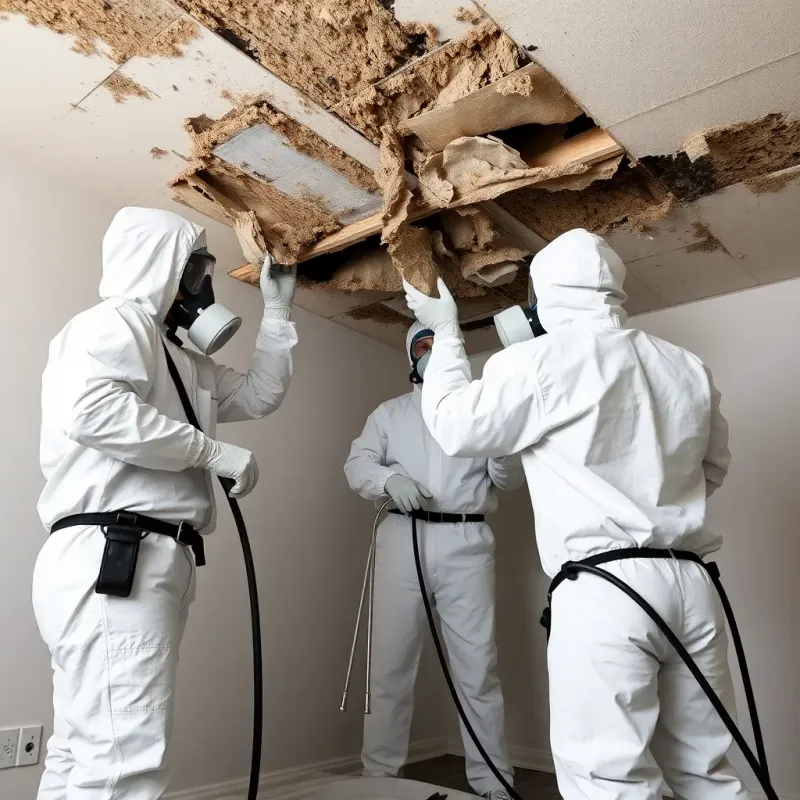
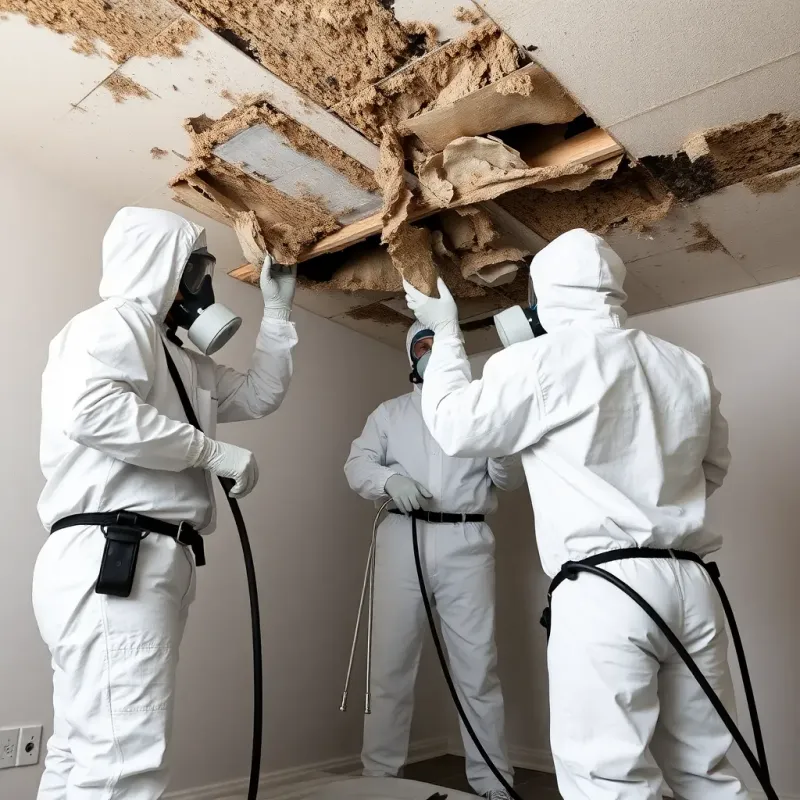 “Mold remediation crew using advanced containment procedures during comprehensive water damage restoration”
Factors That Affect Mold Remediation Costs
Several key factors influence the total price of professional mold remediation:
Type of Mold and Contamination Level
Different mold types require different treatment approaches. Standard molds cost less to remediate than toxic black mold (Stachybotrys), which demands specialized handling and disposal. Testing costs typically range from $200-$600 and help determine the contamination level and appropriate treatment method.
Location and Accessibility
Mold in easily accessible areas like bathrooms or basements costs less than mold hidden behind walls, above ceilings, or in HVAC systems. Difficult-to-reach locations require additional labor, specialized equipment, and sometimes partial demolition, increasing costs by 25-50%.
Humidity Levels and Moisture Source
High humidity levels that persist make remediation more complex. If the moisture source (like an active leak) isn’t identified and fixed, mold will return, increasing long-term costs. Addressing the underlying moisture problem is essential for permanent solutions. Using proper drying techniques to prevent mold is the most effective way to eliminate the moisture source.
Extent of Structural Damage
When mold has compromised building materials, remediation becomes more expensive. Replacing drywall, subflooring, or insulation significantly increases costs. Structural damage assessment adds $300-$800 to the initial remediation estimate.
Local Labor Rates and Market Conditions
Geographic location heavily impacts pricing. Urban areas typically charge 20-40% more than rural regions. Regional market demand and competition among remediation companies also affect final costs.
Professional Mold Remediation vs. DIY Approach
Understanding the differences between professional remediation and DIY methods helps clarify why professional services cost what they do.
Professional Mold Remediation Services
What Professionals Include:
- Comprehensive mold testing and inspection
- Detailed containment strategies
- HEPA-filtered air scrubbers during remediation
- Proper disposal of contaminated materials
- Moisture source identification
- Post-remediation verification and testing
- Warranty on work performed
Cost Justification: Professional services cost more upfront but provide several advantages. They use specialized equipment worth $10,000-$50,000+ that DIY projects don’t access. Certified professionals follow EPA guidelines and industry standards, ensuring health and safety. They identify hidden mold and moisture sources that untrained eyes miss.
DIY Mold Cleanup Considerations
When DIY Might Be Appropriate:
- Visible mold in small areas (under 10 square feet)
- Mold in accessible, easy-to-clean areas
- Mild surface mold on non-porous materials
- After professional remediation for preventive maintenance
DIY Supplies Cost: $200-$500 for basic supplies including respirators, protective equipment, cleaning solutions, and containment materials.
Critical Risks of DIY Approach:
- Improper containment spreads mold spores to unaffected areas
- Personal health risks from mold exposure without proper protection
- Failure to identify moisture sources allows recurrence
- Inadequate removal leaves mold roots that return
- Potential property value reduction if mold returns
- No warranty or recourse if problems persist
Insurance Coverage for Mold Remediation
Insurance coverage for mold remediation varies significantly by policy and circumstance.
Standard Homeowners Insurance
Most standard homeowners insurance policies exclude mold damage caused by gradual moisture accumulation. However, if mold results from a sudden, covered event (like a burst pipe or roof damage), it may be covered up to your policy limits. Learn more about insurance coverage for mold remediation to understand your specific policy options.
Typical Coverage Limits: $1,000-$10,000 depending on your policy
Water Damage Coverage
If your policy includes water damage coverage for sudden events, mold remediation from that water damage is often included. This is why homeowners with comprehensive coverage typically recover mold remediation costs.
Mold-Specific Coverage
Some insurers offer mold-specific endorsements or riders that extend coverage. These typically cost $25-$100 annually and may cover up to $25,000 in mold remediation.
Steps to File a Claim
- Document the damage with photos and videos
- Contact your insurance company promptly
- Provide the policy number and incident date
- Obtain professional assessment and estimates
- Submit documentation for claim review
- Work with approved remediation contractors when applicable
Timeline and Process Breakdown
Understanding the remediation timeline helps you plan your life around the restoration:
Assessment Phase (1-2 days)
- $300-$800 for professional inspection
- Mold testing and air quality sampling
- Moisture mapping and source identification
Containment Setup (1 day)
- Sealing affected areas to prevent spore spread
- Setting up negative pressure systems
- Preparing equipment and materials
Active Remediation (3-10 days)
- Removing contaminated materials
- Cleaning and treating affected surfaces
- Applying antimicrobial treatments
- Addressing moisture source
Drying and Monitoring (3-7 days)
- Running dehumidifiers and air scrubbers
- Monitoring humidity levels
- Checking for hidden moisture
Post-Remediation Testing (1-2 days)
- Air quality testing
- Final inspection
- Clearance documentation
Cost-Saving Strategies Without Sacrificing Quality
While mold remediation is necessary for health and home protection, several strategies can help reduce costs:
Act Quickly
Early intervention prevents mold from spreading. Remediating a small problem costs far less than addressing extensive infestations. Addressing water damage within 24-48 hours minimizes mold growth potential. Follow our mold prevention guide after water damage for specific steps to take immediately.
Obtain Multiple Estimates
Get quotes from three to five certified remediation companies. Compare not just price but scope of services, certifications, and warranty provisions. The lowest bid isn’t always the best value. Pro tip: Ask each company whether their quote includes post-remediation air quality testing. Some contractors skip this step to lower their bid, but without clearance testing you have no verification that the mold was actually eliminated.
Address Moisture Sources Immediately
Fixing leaks and controlling humidity prevents mold recurrence and reduces long-term costs. This might involve roof repairs, plumbing fixes, or improved ventilation.
Consider Phased Remediation
For large projects, some companies offer phased approaches, spreading remediation across several weeks to manage cash flow while prioritizing critical areas first.
Verify Certifications
Certified remediation specialists (IICRC, NORMI, or state certifications) follow proper protocols, potentially avoiding costly mistakes and rework.
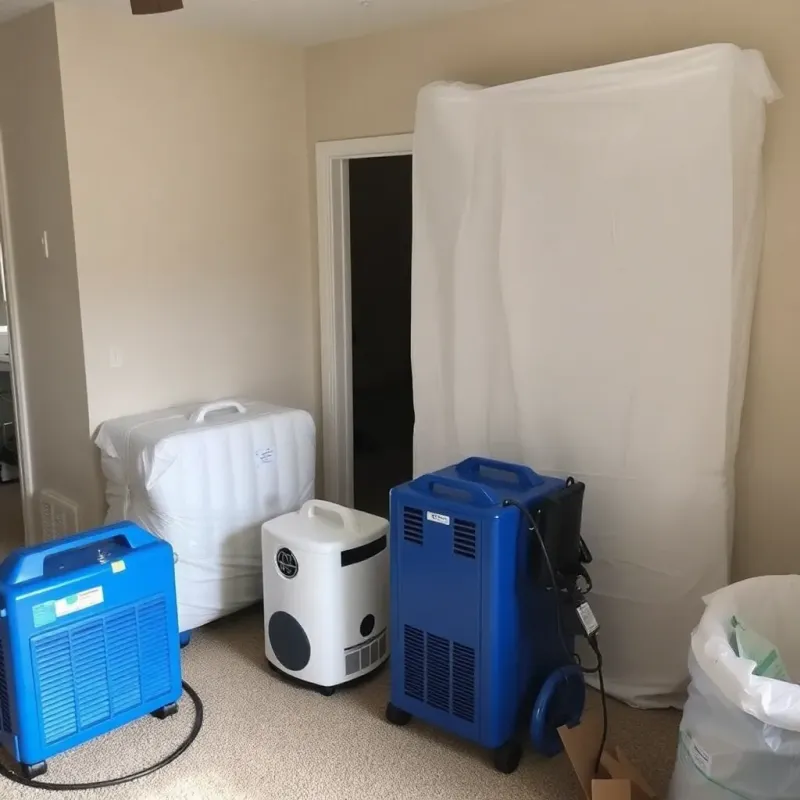 “Professional-grade drying and dehumidification equipment used during mold remediation and moisture control”
Regional Cost Variations
Mold remediation costs vary significantly by region and local market conditions:
Northeast (New York, Massachusetts, Connecticut): 15-20% above national average due to high labor costs and humid climate
Southeast (Florida, Louisiana, Georgia): Moderate to high costs due to frequent water damage and high humidity
Midwest (Illinois, Ohio, Michigan): Near national average with consistent pricing
Southwest (Arizona, New Mexico): Lower average costs except for extreme infestations
West Coast (California, Washington, Oregon): 20-30% above national average, especially in major metropolitan areas
When to Call a Professional Immediately
Certain situations demand immediate professional remediation:
- Visible mold growth after water damage or flooding
- Musty odors indicating hidden mold
- Mold in HVAC systems or ductwork
- Mold covering more than 10 square feet
- Black mold or unknown mold types
- Family members with respiratory issues or compromised immunity
- Previous mold problems in the same location
Choosing a Qualified Mold Remediation Company
When selecting a remediation contractor, prioritize these factors:
Certifications to verify:
- IICRC (Institute of Inspection, Cleaning and Restoration Certification)
- State licensing and permits
- EPA training certifications
- Insurance and bonding
Questions to ask:
- What testing and assessment methods will you use?
- How will you prevent spore spread during remediation?
- What antimicrobial treatments will be applied?
- What warranty do you provide?
- Will you address the moisture source?
- What post-remediation testing is included?
Prevention After Remediation
Preventing mold recurrence saves money long-term:
- Maintain indoor humidity below 50%
- Ensure proper ventilation in bathrooms and kitchens
- Fix leaks immediately
- Improve grading and drainage around your home
- Install sump pumps in basements
- Use dehumidifiers in damp areas
- Inspect roof and gutters regularly
- Consider mold-resistant materials in replacement areas
FAQ
Q: Does homeowners insurance cover mold remediation? A: Coverage depends on the cause. Sudden water damage (burst pipes, storms) is typically covered, but gradual moisture issues usually aren’t. Review your specific policy or contact your insurer for clarification.
Q: Can I remediate mold myself to save money? A: Small areas of visible mold may be manageable with proper precautions, but professional remediation is recommended for safety and thoroughness. Professional crews prevent spore spread and identify hidden mold that DIY approaches miss.
Q: How long does mold remediation take? A: Simple remediation may take 2-5 days, while extensive projects can require 2-3 weeks. Drying time after active remediation often extends the overall timeline.
Q: What’s the difference between remediation and simply cleaning mold? A: Remediation includes identifying and fixing the moisture source, containing contamination, removing affected materials, and post-remediation verification. Cleaning alone doesn’t address underlying causes and often allows mold to return.
Q: Will mold come back after remediation? A: Professional remediation followed by moisture control should prevent recurrence. If mold returns in the same area, the underlying moisture issue likely wasn’t fully addressed. Quality contractors stand behind their work with warranties.
Conclusion
Mold remediation after water damage requires professional expertise to protect your home and family’s health. While costs range from $500 for small problems to $15,000+ for extensive infestations, investing in proper remediation prevents far costlier problems later. Insurance coverage, quick action, and moisture source elimination all help manage expenses. By understanding the factors affecting mold remediation costs and choosing qualified professionals, you can make informed decisions that protect both your property investment and your family’s wellbeing.
Contact certified remediation specialists for assessments and estimates tailored to your specific situation. Most offer free inspections and detailed cost breakdowns before beginning work, helping you plan your restoration budget effectively.
Disclaimer: This article is for informational purposes only and does not constitute professional advice. Every water damage situation is unique. Always consult a licensed contractor or restoration professional for your specific situation. If you’re dealing with an emergency, contact your local restoration company immediately.