Water damage cleanup is often the first step in property restoration, but homeowners frequently underestimate costs involved. Understanding water damage cleanup pricing in 2026 helps you budget appropriately, negotiate with contractors, and make informed decisions about when to hire professionals versus DIY.
This comprehensive guide breaks down cleanup costs by category, explains factors affecting pricing, explores emergency premiums, and reveals often-hidden expenses. For a broader view of total project costs, see our complete water damage restoration cost guide.
Key Takeaway: Most residential water damage cleanup costs $2,500-$5,000, but hidden expenses like mold remediation, structural repairs, and contaminated water treatment can add $2,000-$8,000+ to the final bill — always request a detailed, itemized estimate before committing to a contractor.
Average Water Damage Cleanup Costs in 2026
Water damage cleanup costs vary significantly based on damage extent, water source, and affected area size. Here’s what to expect across different scenarios:
Cost Ranges by Affected Area
Small Area Cleanup (Under 200 sq ft)
- Average cost: $1,000-$2,500
- Timeline: 1-2 days
- Includes: Water removal, initial drying setup
Medium Area Cleanup (200-1,000 sq ft)
- Average cost: $2,500-$5,000
- Timeline: 2-4 days
- Includes: Complete water removal, drying equipment
Large Area Cleanup (1,000-3,000 sq ft)
- Average cost: $5,000-$10,000
- Timeline: 4-7 days
- Includes: Comprehensive removal, industrial drying
Extensive Cleanup (3,000+ sq ft)
- Average cost: $10,000-$25,000+
- Timeline: 7-14 days
- Includes: Full house restoration, structural drying
Water Removal and Extraction Costs
The first phase of cleanup focuses on removing standing water and moisture.
Professional Water Extraction Pricing
Residential Water Removal:
- Assessment and inspection: $200-$400
- Water extraction (per 1,000 sq ft): $500-$1,000
- Includes truck-mounted extraction system
- Typical single-incident removal: $800-$2,000
Commercial/Large-Scale Removal:
- Industrial extraction equipment: $1,000-$3,000+
- Per-day equipment rental rates for continued use
- Labor: Typically $50-$100 per hour
Factors Affecting Extraction Costs
Water Depth
- Shallow water (under 6 inches): Standard rates
- Deep water (6-12 inches): 25-50% premium
- Flooding (12+ inches): Doubled rates or higher
Water Source
- Clean water (pipes, rainfall): Standard extraction
- Gray water (appliances): Decontamination adds $500-$1,000
- Black water (sewage): Specialized treatment adds $1,000-$3,000
Access Difficulty
- Easy access (open areas): Standard rates
- Difficult access (crawl spaces, attics): 30-50% premium
- Basement extraction with pumping: Additional $500-$1,500
Equipment Required
- Standard extraction truck: Included in service price
- Multiple extraction units: Additional $300-$500 each
- Pumping systems for severe flooding: $500-$2,000+
Structural Drying Costs
After water removal, proper drying prevents mold and structural damage.
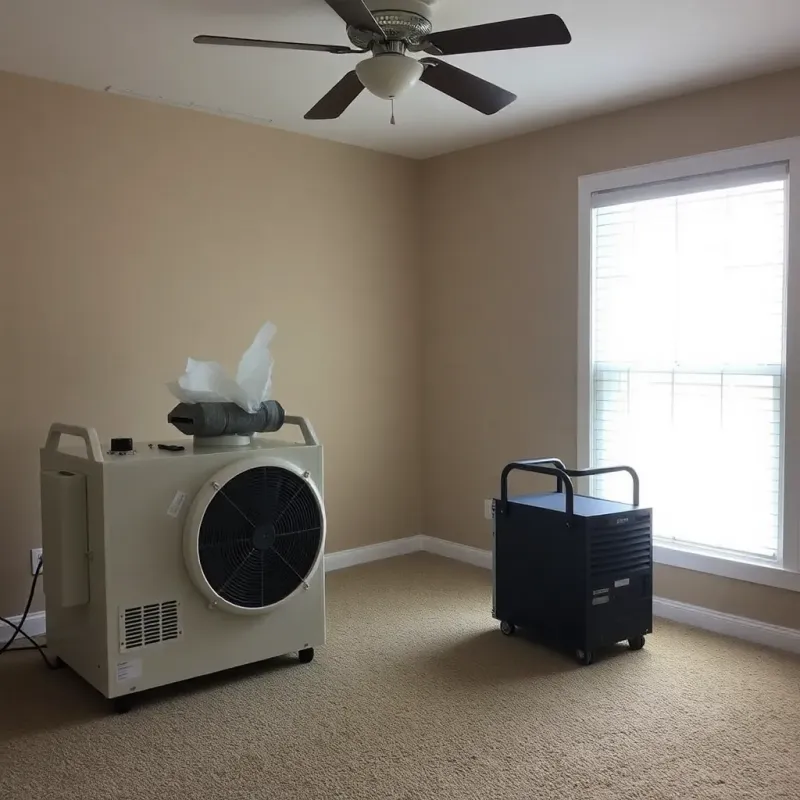
Equipment Rental for Drying
Dehumidifier Rental
- Standard commercial units: $25-$35 per day
- Industrial dehumidifiers: $40-$60 per day
- 7-10 day average rental: $250-$600 per unit
- Multiple units needed for larger spaces
Air Mover Rental
- Portable air movers: $15-$25 per day
- High-velocity fans: $20-$35 per day
- Typical number needed: 3-6 units
- 7-10 day rental: $315-$2,100 total
Combined Drying Setup
- 4 dehumidifiers + 5 air movers for 1,500 sq ft
- Daily cost: $250-$380
- 10-day rental: $2,500-$3,800
Professional Drying Service Costs
Companies providing complete drying services charge:
Labor and Monitoring
- Initial setup: $300-$600
- Daily monitoring: $100-$200 per day
- Equipment adjustments and maintenance: Included
- 10-day project: $1,300-$2,600 labor
Complete Professional Drying Package
- Equipment provision and setup: Included
- Continuous monitoring: $100-$200 daily
- Humidity and moisture testing: $200-$400
- Post-drying verification: $300-$500
- Total 10-day project: $2,300-$4,500
Content Restoration and Cleaning Costs
Cleaning and restoring contents damaged by water adds to overall cleanup expenses.
Contents Assessment and Salvage
Initial Assessment
- Professional evaluation of salvageable items: $300-$600
- Documentation for insurance claims: Included
- Categorization of items by damage level
Contents Removal and Storage
- Removal labor: $50-$100 per hour
- Temporary storage facility (per month): $200-$500
- Depending on volume: $1,000-$3,000 for typical home
Content Cleaning Options
Professional Content Cleaning
- Water damage cleaning: $1-$5 per item (varies by type)
- Fabric restoration: $2-$8 per item
- Wood furniture restoration: $200-$1,000 per piece
- Electronics restoration: $100-$500 per item
- Typical home contents: $2,000-$6,000
Drying and Deodorization
- Content drying services: $50-$150 per day
- Deodorizing treatment: $200-$500 per room
- Odor remediation: $500-$2,000+
Total Contents Restoration: $3,000-$10,000 for typical home
Structural Damage Assessment and Repair Costs
Water often damages building materials requiring replacement.
Assessment and Inspection
Professional Structural Assessment
- Water damage inspection: $300-$500
- Hidden damage evaluation: Included
- Mold assessment (if applicable): $200-$400
- Engineering evaluation: $500-$1,000
- Final report and recommendations: Included
Common Structural Repairs
Drywall Damage
- Small damaged section removal: $300-$600
- Complete room replacement: $1,500-$3,000
- Labor and materials combined
Carpet and Padding Removal
- Removal (labor): $1-$3 per sq ft
- Disposal: $0.50-$1 per sq ft
- For 1,000 sq ft: $1,500-$4,000
Subfloor Damage
- Assessment and removal: $2-$4 per sq ft
- Replacement materials: $3-$8 per sq ft
- For significant damage: $5,000-$15,000+
Insulation Replacement
- Damaged insulation removal: $1-$2 per sq ft
- New insulation installation: $0.50-$1.50 per sq ft
- For partially affected home: $2,000-$5,000
Emergency and After-Hours Cleanup Costs
Many water damage incidents occur outside business hours, triggering emergency service premiums.
Emergency Service Premiums
After-Hours Surcharge (evening/night response)
- Premium: 25-50% above standard rates
- Typical additional cost: $500-$1,500
Weekend and Holiday Surcharge
- Premium: 25-50% above standard rates
- Same additional cost as after-hours
24-Hour Emergency Response
- Immediate dispatch available
- Premium: 50-100% above standard rates
- Additional cost: $1,000-$3,000
Combined After-Hours Scenario
- Standard cleanup: $3,000
- After-hours emergency premium: $750-$1,500
- Total after-hours cost: $3,750-$4,500
Why Emergency Services Cost More
Professional companies maintain:
- 24/7 dispatcher and scheduling systems
- Technicians on emergency call rotation
- Rapid response capability
- Equipment maintained for immediate deployment
- Overtime and premium compensation for staff
These operational costs justify emergency pricing, though rates can be negotiated if damage isn’t genuinely urgent.
Decontamination and Sanitization Costs
Water source determines if specialized decontamination is necessary.
Gray Water Treatment
Washing Machine or Dishwasher Overflow
- Decontamination treatment: $500-$1,000
- Includes antimicrobial application
- Standard cleanup costs apply
Toilet Overflow
- Enhanced sanitization: $800-$1,500
- Includes decontamination products
- May require carpet removal and replacement
Category 2 Water (Gray Water) Total:
- Base cleanup: $2,500-$5,000
- Plus decontamination: $800-$1,500
- Total: $3,300-$6,500
Black Water Remediation
Sewage Backup or Floodwater
- Full decontamination required: $1,500-$3,000
- Professional-grade disinfection
- Often mandatory by health codes
Hazardous Material Remediation
- Chemical contamination: $2,000-$5,000+
- Asbestos-containing materials: $3,000-$10,000+
- Biohazard remediation: $2,000-$8,000+
Category 3 Water (Black Water) Total:
- Base cleanup: $5,000-$10,000
- Plus decontamination: $1,500-$3,000+
- Total: $6,500-$13,000+
Hidden Costs Often Overlooked
Many homeowners encounter unexpected expenses beyond initial cleanup estimates.
Mold Remediation
Mold Assessment and Testing
- Professional mold inspection: $300-$600
- Air quality testing: $200-$400
- Often discovered during cleanup
Mold Remediation (if found)
- Small area remediation: $1,500-$3,000
- Larger infestations: $5,000-$15,000+
- Critical for health and property value
Structural Repairs Beyond Cleanup
Rotted Subflooring
- Replacement cost: $2,000-$5,000+
- Often discovered after water removal
- Structural integrity concerns demand fixing
Damaged Electrical Systems
- Professional electrical assessment: $300-$500
- Repair costs: $500-$2,000+
- Safety-critical, must be addressed
HVAC System Damage
- Assessment: $200-$400
- Ductwork cleaning: $500-$1,500
- System replacement: $3,000-$8,000+
Foundation and Structural Issues
- Assessment: $500-$1,000
- Repairs: $2,000-$10,000+
- Major hidden costs from water intrusion
Debris Removal and Disposal
Contents Disposal
- Dumpster rental: $300-$500 per week
- Hauling service: $500-$1,500
- Varies by volume and local rates
Construction Debris
- Removal of damaged materials: $500-$2,000
- Hazardous waste disposal: $1,000-$3,000+
- Recycling vs. landfill costs vary
Total Hidden Cost Average: $2,000-$8,000 per project
From my years in the field, I always recommend asking your restoration company upfront about potential hidden costs before they start work. A reputable company will walk you through the most likely scenarios — like discovering mold behind drywall or rotted subfloor under carpet — so you are not blindsided by a bill twice the original estimate.
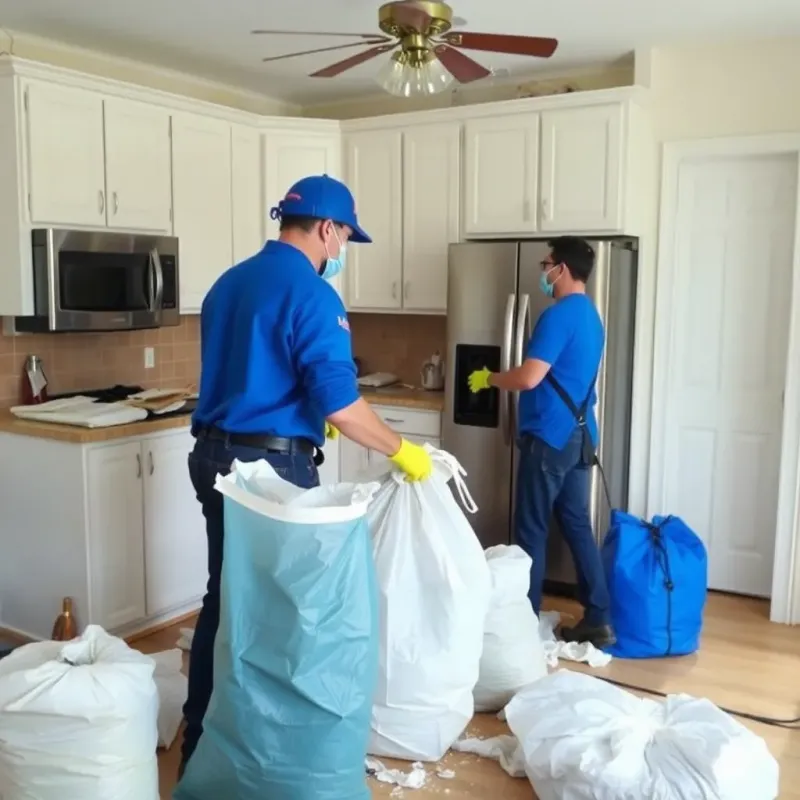
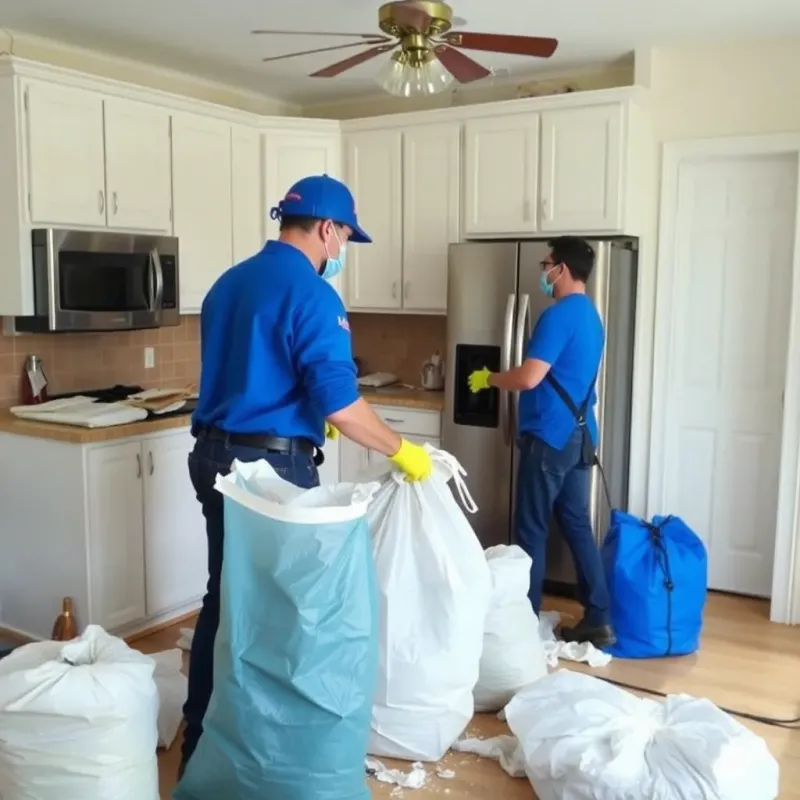 “Water damage cleanup team removing affected drywall and materials to prevent mold and structural deterioration”
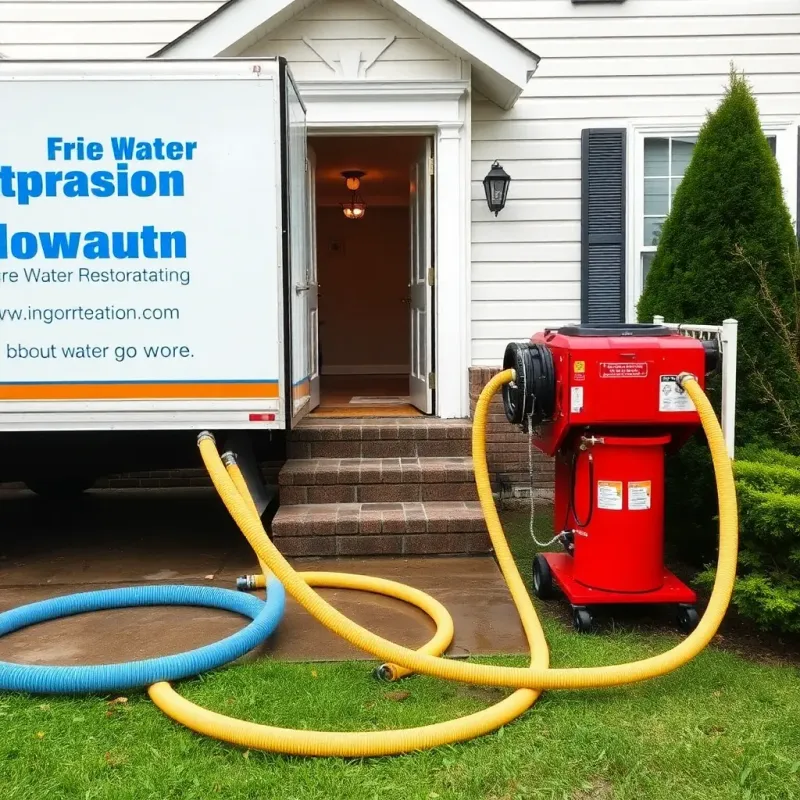 “Professional water damage cleanup service with truck-mounted extraction equipment for rapid water removal and drying”
Factors Affecting Water Damage Cleanup Costs
Understanding cost drivers helps predict expenses for your specific situation.
Location and Market Rates
Regional Pricing Variations:
- Northeast (NY, MA, CT): 15-20% above national average
- Southeast (FL, LA, GA): Moderate to high due to frequency
- Midwest (IL, OH, MI): Near national average
- Southwest (AZ, NM): Lower except major urban areas
- West Coast (CA, WA, OR): 20-30% above national average
Urban vs. Rural:
- Urban areas: 20-40% higher labor rates
- Rural areas: Lower rates but fewer available services
- Distance to service center affects emergency response costs
Water Source Category
Clean Water (Category 1)
- Standard cleanup procedures
- Base service rates
- Example: $3,000-$5,000 for 1,500 sq ft
Gray Water (Category 2)
- 25-50% premium for decontamination
- Enhanced sanitization
- Example: $4,500-$7,500 for 1,500 sq ft
Black Water (Category 3)
- 50-100% premium for decontamination
- Specialized procedures required
- Example: $6,000-$10,000+ for 1,500 sq ft
Moisture Source and Accessibility
Easy Access Scenarios
- Standard rates
- Rapid extraction possible
- Minimal additional complications
Difficult Access
- Crawl spaces: 30-50% premium
- Above-ceiling water: 25-40% premium
- Embedded water (walls, flooring): 50-100% premium
Ongoing Water Intrusion
- If source not stopped: Cleanup costs double
- Must identify and repair source
- Adds $500-$5,000 to project
Cost Comparison: Professional vs. DIY Cleanup
DIY Cleanup (for 500 sq ft damage)
- Equipment rental: $400-$800
- Supplies (vacuums, cleaning products): $200-$400
- Personal time (40+ hours): $1,000-$2,000 value
- Risk of incomplete cleanup: $5,000+ in future costs
Professional Cleanup (same area)
- Water extraction: $1,000-$1,500
- Drying setup and monitoring: $800-$1,200
- Decontamination if needed: $500-$1,000
- Total: $2,300-$3,700
While professional costs more upfront, guarantee of complete cleanup and insurance documentation often justifies investment.
Insurance Coverage for Water Damage Cleanup
Understanding your insurance coverage affects out-of-pocket costs.
Covered Cleanup Scenarios
Burst Pipes
- Sudden water damage usually covered
- Cleanup expenses included in water damage coverage
- Deductible applies ($500-$5,000 typical)
Storm Damage
- Roof leaks from severe weather
- Usually covered under standard policy
- May have separate weather deductible
Appliance Failure
- Sudden failure of water heater, dishwasher, etc.
- Typically covered
- Gradual leaks usually excluded
Uncovered Scenarios
Gradual Leaks
- Slow moisture accumulation
- Maintenance-related
- Usually not covered
Flooding
- Requires separate flood insurance
- Not covered under standard homeowners policy
- Cleanup costs not covered
Sewage Backup
- Often excluded without specific endorsement
- If present, covers cleanup of Category 3 water
Insurance Claim Process
To maximize coverage:
- Document damage immediately (photos/video)
- Contact insurer promptly
- Take reasonable mitigation steps (water removal)
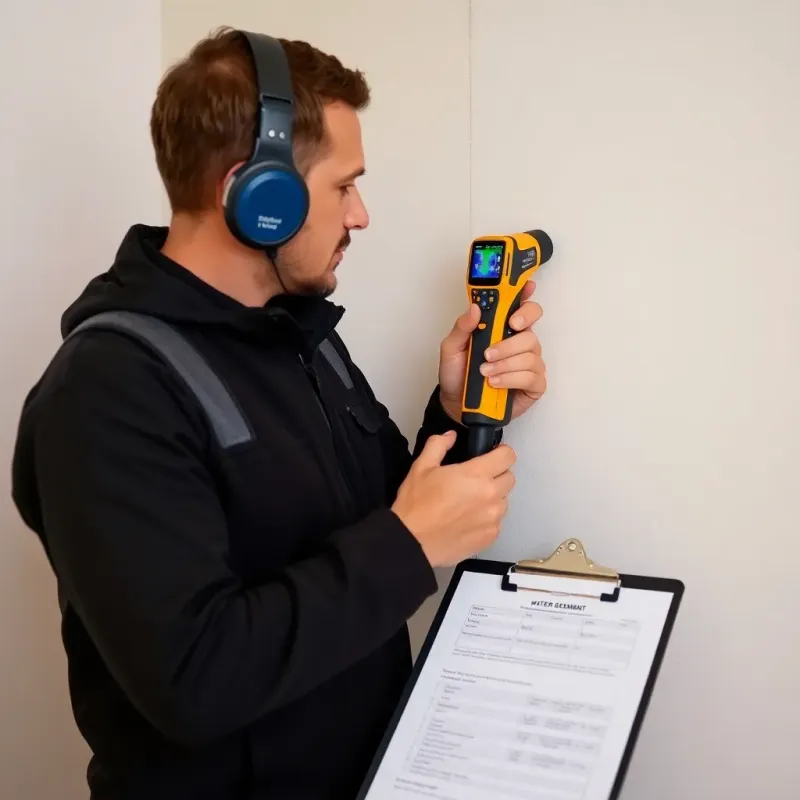
- Get professional assessment and estimates
- Provide all documentation to insurer
- Work with approved contractors when required
Professional cleanup companies often assist with insurance claims, maximizing your reimbursement. Learn how to file a water damage insurance claim to ensure you recover as much as possible.
 “Professional documentation and photographic evidence supporting water damage insurance claims for maximum coverage reimbursement”
Getting Accurate Water Damage Cleanup Estimates
Obtaining proper estimates protects you from surprise costs.
What to Request
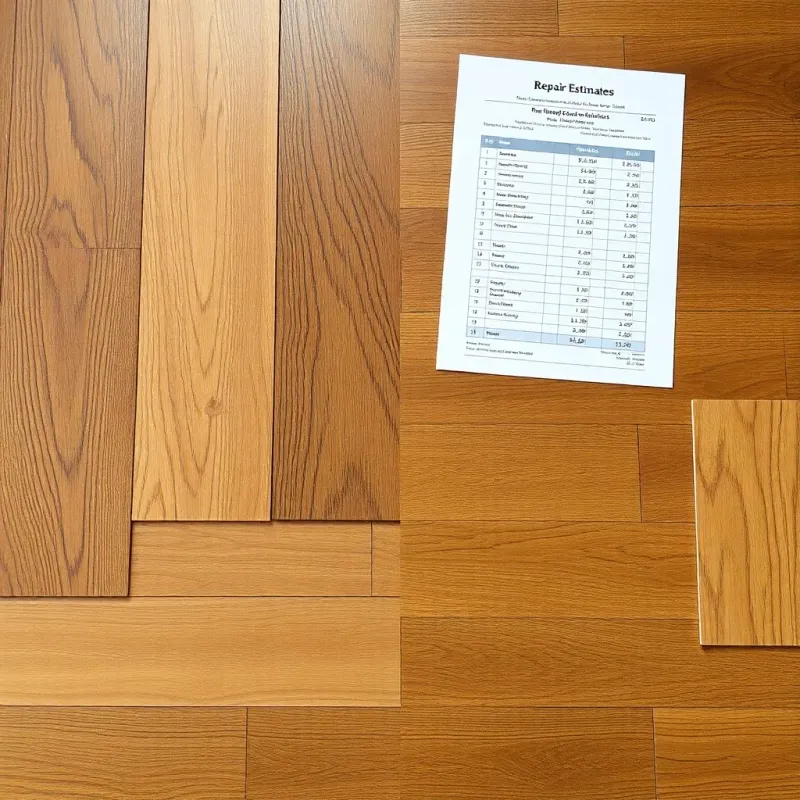
Detailed Written Estimate Should Include:
- Itemized services (extraction, drying, cleaning, etc.)
- Equipment being used and costs
- Timeline to completion
- Labor rates and estimated hours
- Any warranties or guarantees
- Insurance claim assistance offered
- Emergency/after-hours charges if applicable
Questions to Ask
- What is included in the base price?
- What additional costs might arise?
- How will you prevent mold during drying?
- Do you provide post-cleanup mold testing?
- What is your emergency response time?
- Can you assist with insurance claims?
- What warranty do you provide on work?
Red Flags
- Unwillingness to provide written estimate
- Prices significantly lower than competitors
- High-pressure sales tactics
- No insurance or bonding
- Vague cost descriptions
- Unwillingness to explain pricing
Cost-Saving Strategies Without Sacrificing Quality
Several approaches help manage cleanup expenses:
Act Quickly
Fast response prevents water from penetrating deeper, reducing overall cleanup scope and costs. Follow our emergency water damage checklist for the first 24 hours — professional response within 24 hours often saves 20-30% on total restoration.
Obtain Multiple Estimates
Get 3-5 written estimates comparing:
- Services included
- Equipment and timeline
- Warranty provisions
- Insurance claim assistance
Compare value, not just price. You can get free estimates from restoration companies to compare before committing.
Address Moisture Source Immediately
If cleanup can’t stop water intrusion, costs escalate. Fixing burst pipes or roof leaks before cleanup prevents wasted efforts and returns.
Negotiate Payment Terms
Some companies offer discounts for:
- Prompt payment
- Longer service contracts
- Referral commissions
- Bundled services (cleanup + restoration)
Verify Insurance Coverage
Maximize insurance reimbursement by:
- Obtaining professional assessment supporting full claim
- Documenting all damage thoroughly
- Getting detailed invoices for all services
- Providing complete documentation to insurer
Timeline for Water Damage Cleanup
Understanding project timeline helps plan your household:
Day 1: Assessment, water removal, initial setup Days 2-4: Active drying, content cleaning Days 5-7: Final drying, verification testing Days 8+: Repairs and restoration (if needed)
Total typical timeline: 7-14 days for cleanup phase alone
FAQ
Q: What’s the average water damage cleanup cost? A: For typical residential water damage, cleanup costs $2,500-$5,000. Costs vary based on damage extent (under 200 sq ft to 3,000+ sq ft), water source (clean vs. contaminated), and local market rates.
Q: How much does emergency water removal cost? A: Emergency removal costs 25-100% more than standard rates. A $1,500 cleanup becomes $1,875-$3,000 with after-hours emergency surcharges. However, quick response often saves money long-term.
Q: Does homeowners insurance pay for water damage cleanup? A: Yes, for covered causes (burst pipes, storms). Cleanup costs are included in water damage coverage up to policy limits. Gradual leaks and flooding typically aren’t covered without specific endorsements.
Q: How can I reduce water damage cleanup costs? A: Act quickly (prevents deeper penetration), get multiple estimates, address moisture source immediately, maximize insurance coverage, and choose professionals carefully for best value and guaranteed results.
Q: Should I attempt cleanup myself to save money? A: Minor spills might be manageable, but professional cleanup is recommended for significant damage. Incomplete cleanup risks mold and structural damage costing far more to fix. Insurance documentation from professionals also supports claims.
Conclusion
Water damage cleanup costs in 2026 range from $1,000 for small incidents to $25,000+ for extensive damage, with most residential projects falling in the $2,500-$5,000 range. Understanding cost components—extraction, drying, decontamination, and hidden expenses—helps you budget appropriately and evaluate contractor estimates.
Professional cleanup, while requiring significant investment, provides comprehensive restoration, prevents future damage, and often receives insurance coverage. Quick response, detailed estimates, and careful contractor selection all protect your investment and property.
For any water damage exceeding DIY capabilities, consulting professionals immediately provides clarity on costs, timelines, and restoration requirements specific to your situation. Most offer free assessments helping you make informed decisions about your home’s restoration and your financial commitment.
Disclaimer: This article is for informational purposes only and does not constitute professional advice. Every water damage situation is unique. Always consult a licensed contractor or restoration professional for your specific situation. If you’re dealing with an emergency, contact your local restoration company immediately.