Hardwood flooring adds beauty and value to homes, but water damage poses unique challenges. Unlike carpet or tile, water-damaged hardwood may require expensive repairs, refinishing, or complete replacement. Understanding costs associated with water-damaged hardwood floors helps you make informed decisions about restoration versus replacement.
This comprehensive guide breaks down hardwood floor water damage costs and explores your options for restoration. For context on how flooring fits into overall water damage restoration costs, see our complete cost breakdown.
Key Takeaway: Many water-damaged hardwood floors can be saved through professional drying and refinishing at 25-50% less than full replacement cost, but the decision depends on acting fast — boards dried within the first 48 hours have a 70-85% recovery rate.
Types of Hardwood Water Damage and Associated Costs
Water damage to hardwood floors manifests in different ways, each requiring different remediation approaches and costs.
Minor Surface Damage (Water Spotting)
What It Looks Like:
- White or cloudy spots on finish
- Water rings from glasses or spills
- Surface discoloration
- No structural damage to wood
Cost to Repair:
- Professional refinishing (small area): $300-$800
- DIY touch-up solution: $50-$150
- Timeframe: 1-3 days
Likelihood of Success: 95%+ with prompt treatment
Moderate Swelling and Cupping
What It Looks Like:
- Boards slightly raised at edges
- Visible cupping (concave surface)
- Some discoloration
- Wood not structurally compromised
Cost to Repair:
- Professional floor drying and refinishing: $2,000-$5,000 — learn how to properly dry hardwood floors after water exposure
- Partial board replacement: $1,500-$3,500
- Equipment drying: $500-$1,500
- Timeframe: 7-21 days
Likelihood of Success: 70-85% of boards recovered with proper drying
Significant Cupping and Buckling
What It Looks Like:
- Pronounced warping and buckling
- Widespread discoloration
- Structural instability
- Significant moisture content
Cost to Repair:
- Full floor replacement: $3,000-$10,000+
- Partial replacement (affected sections): $2,000-$6,000
- May be more cost-effective than repair attempts
- Timeframe: 5-10 days for replacement
Likelihood of Success: Only partial boards may be salvageable
Structural Damage and Rot
What It Looks Like:
- Soft, spongy wood
- Wood disintegration
- Visible mold or staining
- Permanent structural compromise
Cost to Address:
- Complete floor replacement required: $3,500-$12,000+
- Subfloor replacement: $1,000-$3,000
- Professional assessment: $200-$500
- Timeframe: 10-14 days
Likelihood of Repair: Not possible; replacement mandatory
Repair vs. Replace: Cost Analysis
Deciding whether to repair or replace water-damaged hardwood involves comparing restoration costs against replacement costs.
Repair Option Cost Breakdown
Professional Floor Drying
- Assessment: $200-$500
- Equipment setup and monitoring: $500-$1,500
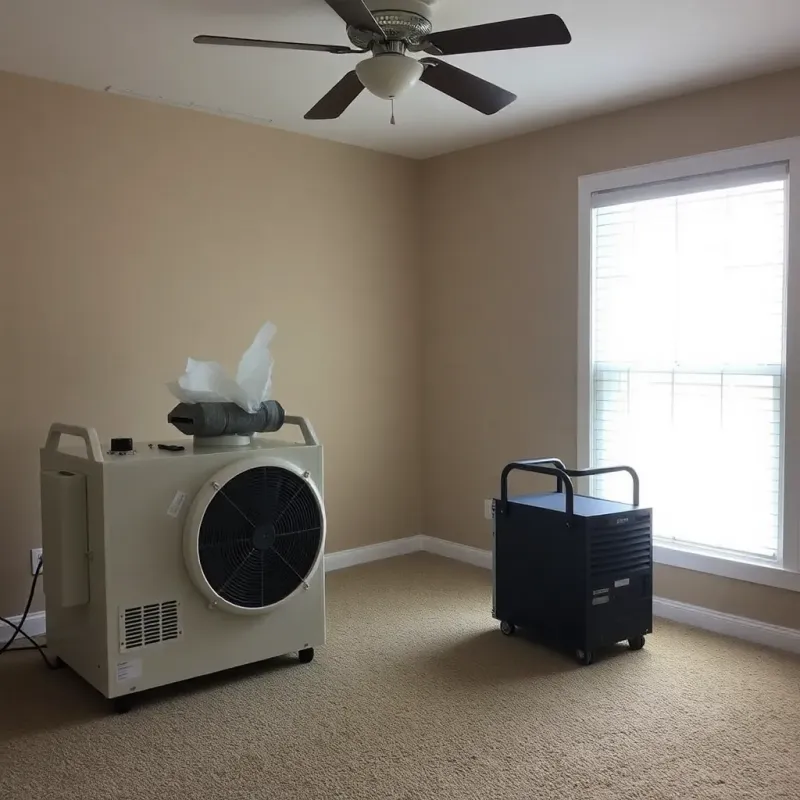
- Dehumidifiers, air movers: $50-$100 daily for 7-14 days
- Subtotal: $1,000-$2,500
Wood Treatment
- Antimicrobial treatment: $0.50-$1.50 per sq ft
- Hardening compounds: $150-$400
- Subtotal: $200-$600
Refinishing (if salvageable)
- Sanding: $2-$4 per sq ft
- Staining: $1-$3 per sq ft
- Polyurethane finishing: $2-$4 per sq ft
- For 1,000 sq ft: $5,000-$11,000
Partial Board Replacement
- Materials (replacement boards): $3-$8 per sq ft
- Labor (removal and installation): $3-$6 per sq ft
- Finishing replacement boards: $2-$4 per sq ft
- For 200 sq ft (partial damage): $1,600-$3,600
Total Repair Cost: $7,800-$17,700 for 1,000 sq ft home
Replace Option Cost Breakdown
Complete Floor Replacement
- Materials (hardwood flooring): $3-$12 per sq ft
- Standard hardwood: $3-$6 per sq ft
- Premium hardwood: $6-$12 per sq ft
- Installation labor: $3-$8 per sq ft
- Subfloor repair (if necessary): $1-$3 per sq ft
- Finishing (if pre-finished flooring not used): $2-$4 per sq ft
- Disposal of old flooring: $0.50-$1 per sq ft
For 1,000 sq ft Space:
- Budget hardwood: $6,500-$10,000
- Mid-range hardwood: $8,000-$13,000
- Premium hardwood: $11,000-$16,000
- Including subfloor: $10,000-$19,000+
Total Replacement Cost: $6,500-$19,000 for 1,000 sq ft
Cost Comparison Analysis
Small Area Damage (Under 300 sq ft):
- Repair: $3,000-$6,000
- Replace: $2,000-$5,700
- Better option: Replacement (especially if damage is severe)
Medium Area Damage (300-700 sq ft):
- Repair: $4,500-$10,000
- Replace: $3,900-$11,200
- Better option: Depends on damage severity and existing floor quality
Large Area Damage (700+ sq ft):
- Repair: $6,500-$14,000+
- Replace: $6,000-$18,000+
- Better option: Consider replacement for fresh start
Consideration: If damage occurs in visible areas or multiple rooms, replacement often provides better aesthetics and value than patched repairs.
Pro tip: Before deciding to replace, always give hardwood floors a full 14-day professional drying period. I have seen floors that looked completely ruined flatten out beautifully once the moisture was fully removed — patience during the drying phase saves thousands in unnecessary replacement costs.
Factors Affecting Hardwood Floor Water Damage Costs
Multiple variables influence the total cost of addressing water-damaged hardwood.
Hardwood Type and Quality
Domestic Softwoods (Pine, Fir)
- Repair cost: Lower
- More water-absorbent, higher failure risk after damage
- Replacement cost: $3-$6 per sq ft installed
- May not justify expensive repair attempts
Domestic Hardwoods (Oak, Maple)
- Repair cost: Moderate
- More stable after drying
- Replacement cost: $6-$10 per sq ft installed
- Repair often justified if damage is moderate
Exotic Hardwoods (Brazilian Cherry, Teak)
- Repair cost: Higher (matching materials expensive)
- More stable, better durability
- Replacement cost: $8-$15+ per sq ft installed
- Repair often worthwhile to preserve character
Extent of Water Damage
1-5% of Floor Affected
- Repair likely successful
- Refinishing only affected areas
- Cost: $1,500-$3,500
5-20% of Floor Affected
- Mixed strategy: Repair some, replace others
- Cost: $3,000-$7,000
20-50% of Floor Affected
- Replacement increasingly cost-effective
- Cost: $5,000-$12,000
50%+ of Floor Affected
- Replacement almost always better option
- Cost: $8,000-$18,000+
Water Source and Contamination
Clean Water (Burst pipes, roof leaks)
- Standard drying sufficient
- Normal treatment protocols
- Lower additional costs
Gray Water (Washing machine overflow)
- Sanitization treatment required
- 10-15% additional cost
- Enhanced antimicrobial products needed
Black Water (Sewage, floodwater)
- May require complete replacement due to contamination
- Sanitization and remediation: $1,000-$3,000
- Health and safety concerns
- Often makes replacement mandatory
Location and Installation Method
Floating Floor Installation
- Often more water-vulnerable
- Repair costs similar to standard
- Replacement easier and less labor-intensive
Nailed Installation
- More water-damage resistant
- Subfloor damage can be addressed separately
- Repair and replacement costs similar
Glued Installation
- Moisture damage can compromise adhesive
- May require more extensive replacement
- Labor-intensive removal and reinstallation
Subfloor Condition
Unaffected Subfloor
- Repair only floor surface
- Lower overall costs
- Restoration usually successful
Damaged Subfloor
- Subfloor replacement: $1,000-$3,000 additional
- Critical for floor stability
- Justifies replacement of hardwood rather than repair
Significant Rot
- Structural repair costs: $2,000-$5,000+
- Often makes complete replacement more economical
- Safety concerns with compromised subfloor
Geographic Location and Labor Rates
Urban Areas: 20-40% higher labor costs than rural areas
Regions with High Water Damage Frequency: More competition, potentially lower costs
Specialized Markets: Premium hardwood areas command higher prices
Seasonal Variations: Spring/summer repairs more expensive than winter
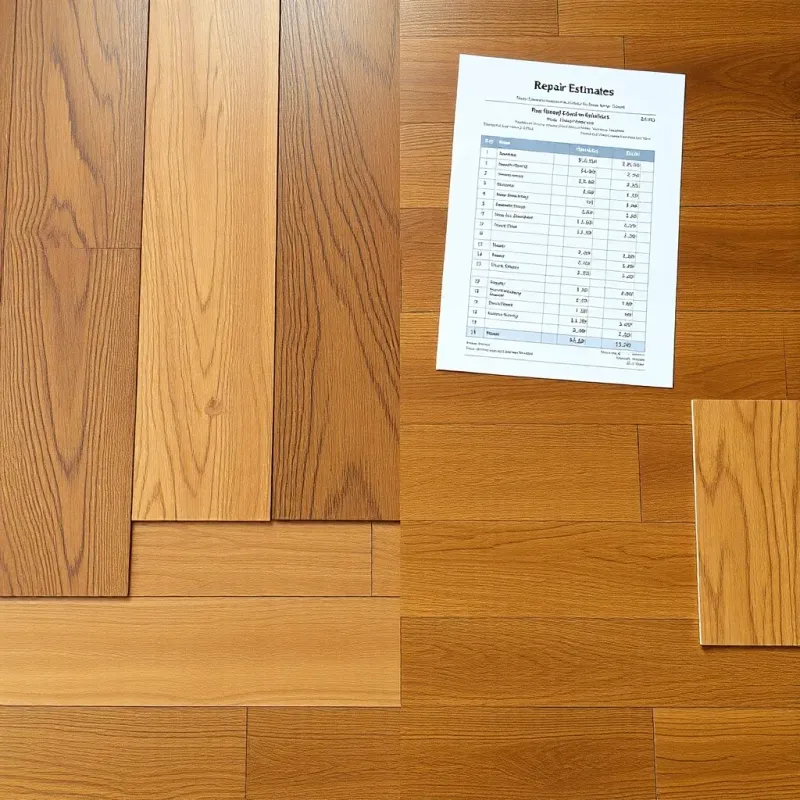 “Cost-benefit analysis of hardwood floor repair versus replacement based on damage extent and water source type”
Hardwood Floor Refinishing After Water Damage
If the hardwood survives water exposure, refinishing may be necessary to restore appearance.
Full Floor Refinishing
What’s Involved:
- Complete sanding (removing old finish and surface damage)
- Stain application if color matching needed
- Multiple polyurethane coats
- Final buffing and polishing
Cost Breakdown:
- Sanding: $2-$4 per sq ft
- Stain: $1-$3 per sq ft
- Finishing: $2-$4 per sq ft
- Total for 1,000 sq ft: $5,000-$11,000
Timeline: 5-10 days including drying time
Considerations:
- Screen-and-recoat less expensive ($1.50-$3 per sq ft) if finish intact
- Full sanding necessary if finish is damaged or stains deep
- Color variation possible between old and refinished sections
Partial Refinishing
Screen-and-Recoat (Minimal damage)
- Surface screening to prepare for new finish
- New polyurethane coats
- Cost: $1.50-$3 per sq ft
- Timeline: 2-4 days
- Best for: Minor surface damage
Spot Repairs
- Localized sanding and finishing
- Cost: $300-$1,000 per 100 sq ft
- Timeline: 1-2 days
- Best for: Small affected areas
Insurance Coverage for Hardwood Floor Damage
Insurance coverage for water-damaged hardwood varies by cause and policy.
Covered Scenarios
Burst Pipes
- Sudden, accidental water damage
- Typically fully covered including flooring
- Deductible applies ($500-$1,000 typical)
Storm Damage
- Roof leaks from severe weather
- Usually covered with standard homeowners insurance
- May have separate storm deductible
Appliance Failures
- Dishwasher, washing machine, water heater leaks
- Typically covered if failure is sudden
- Gradual leaks often excluded
Uncovered Scenarios
Gradual Leaks
- Slow plumbing leaks over time
- Maintenance-related
- Usually excluded from coverage
Flooding
- Weather-related standing water
- Requires separate flood insurance
- Standard homeowners won’t cover
Sewage Backup
- Usually requires specific endorsement
- Not covered in standard policies
Coverage Limits
Typical Floor Coverage:
- $10,000-$25,000 annual limit
- Covers materials and labor
- Deductible ($500-$5,000) applies
- Replacement cost or actual cash value basis
Insurance Filing Tips:
- Document damage with photos/video immediately
- Get professional assessment and estimates
- Contact insurer promptly
- Mitigate further damage (dry flooring, remove standing water)
- Keep all receipts and documentation
Prevention: Avoiding Future Water Damage Costs
Preventing water damage costs far less than repair or replacement.
Moisture Barriers and Sealing
Polyurethane Finish Maintenance:
- Recoat every 3-5 years
- Maintain protective barrier
- Cost: $1.50-$3 per sq ft every 5 years
- Prevention value: Saves thousands in damage
Moisture Barriers Under Flooring:
- Vapor barrier installation (if replacing floor)
- Cost: $0.50-$1 per sq ft during installation
- Reduces moisture penetration significantly
Environmental Control
Humidity Management:
- Maintain humidity 30-50%
- Use dehumidifiers in damp areas
- Cost: $150-$500 for good unit
- Annual operation: $50-$100
Ventilation:
- Exhaust fans in kitchens and bathrooms
- Good air circulation throughout home
- Prevents moisture accumulation
Leak Prevention and Detection
Plumbing Maintenance:
- Regular inspection for leaks
- Replace worn hoses and connections
- Cost: $200-$500 annually
- Prevents major water damage
Water Detection Systems:
- Moisture sensors near appliances
- Alarm systems for water detection
- Cost: $200-$500 installed
- Early warning prevents extensive damage
Appliance Protection:
- Shut-off valves for washing machines, ice makers
- Cost: $50-$150 per connection
- Emergency shut-off: $300-$500
- Prevents major appliance failures
Timeline for Floor Restoration or Replacement
Understanding realistic timelines helps plan your restoration:
Minor Repairs (Water spotting): 1-3 days Professional Drying: 7-14 days Refinishing Only: 5-10 days (including drying) Partial Replacement: 5-7 days Full Floor Replacement: 7-14 days Complete Drying/Repair/Refinishing: 21-35 days
Real-World Cost Examples
Example 1: 500 sq ft Bedroom Damage
Scenario: Burst water heater, moderate warping
Repair Option:
- Professional drying: $1,200
- Spot refinishing: $2,000
- Treatment and sealing: $300
- Total: $3,500
Replace Option:
- Mid-range hardwood: $4,000
- Labor and installation: $2,000
- Removal and disposal: $500
- Total: $6,500
Best Choice: Repair (48% less cost, good success probability)
Example 2: 1,200 sq ft Basement Flooding
Scenario: Foundation leak, significant cupping and buckling
Repair Option:
- Extensive drying: $2,000
- Full refinishing: $7,200
- Partial board replacement: $2,400
- Waterproofing upgrades: $1,500
- Total: $13,100
Replace Option:
- Premium hardwood: $9,600
- Installation labor: $6,000
- Subfloor repair: $1,800
- Removal and disposal: $800
- Total: $18,200
Best Choice: Repair (28% less cost, plus addresses moisture source)
Example 3: 2,000 sq ft Main Floor Damage
Scenario: Main water line break, severe damage throughout
Repair Option:
- Extensive drying: $3,000
- Full refinishing: $12,000
- Board replacement: $4,000
- Treatment and sealing: $600
- Total: $19,600
Replace Option:
- Mid-range hardwood: $12,000
- Installation labor: $10,000
- Subfloor repair: $2,500
- Removal and disposal: $1,500
- Total: $26,000
Best Choice: Repair (25% less cost, or replace for aesthetic consistency)
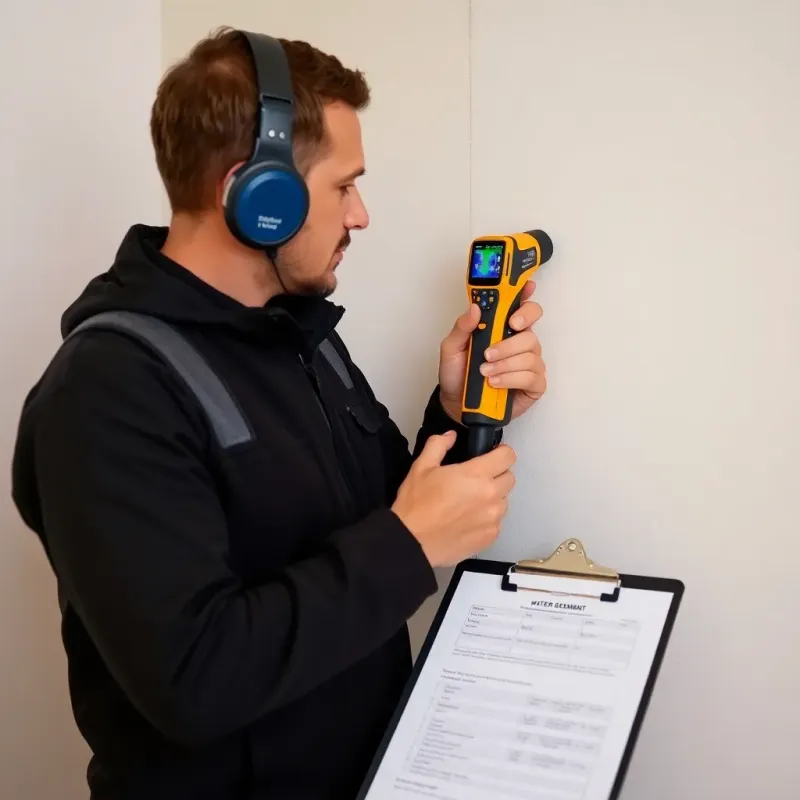
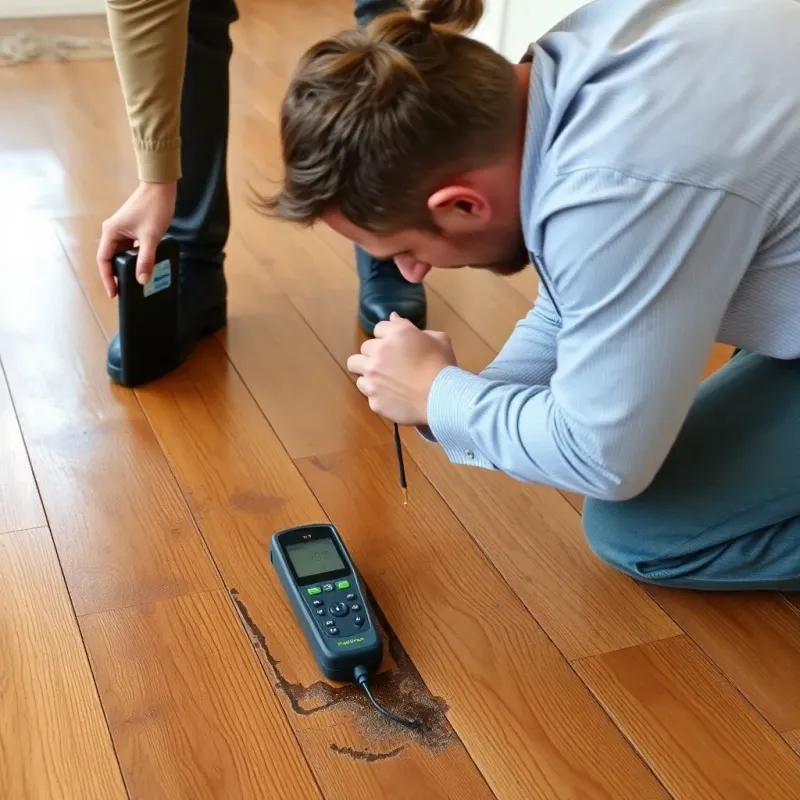 “Professional assessment of water-damaged hardwood showing cupping and moisture damage requiring remediation”
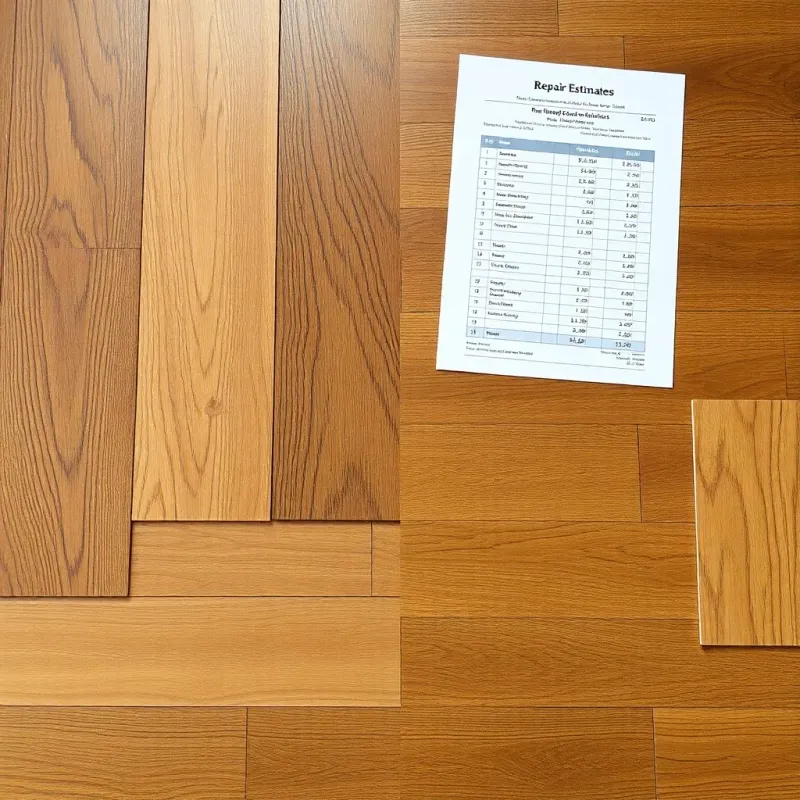
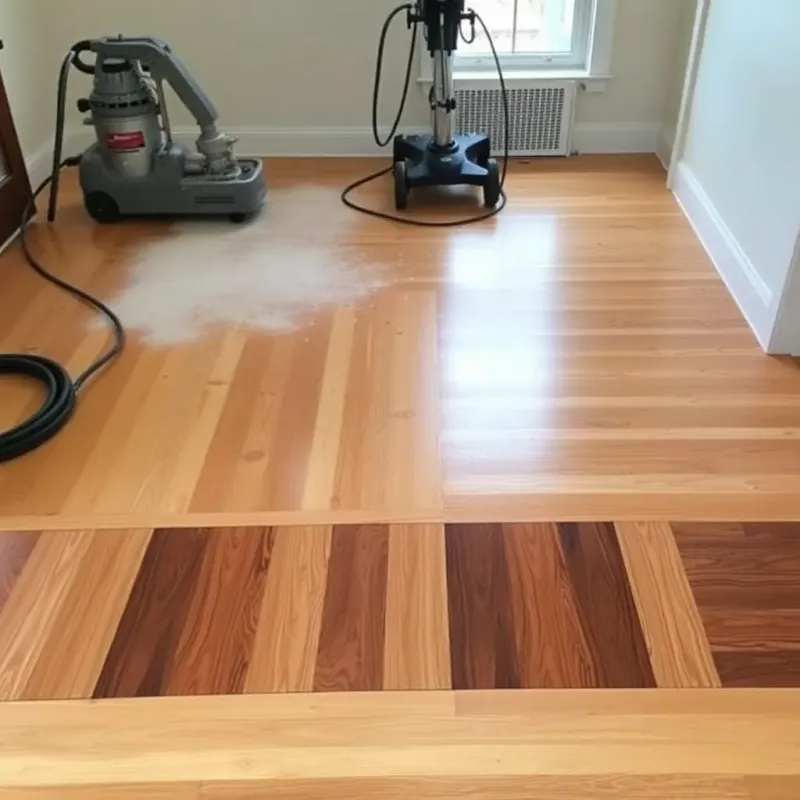 “Professional refinishing of salvaged hardwood floors restoring appearance after water damage remediation and drying”
Water Damage Prevention Strategies by Area
Kitchen and Bathrooms
- Install shut-off valves under sinks
- Ensure proper ventilation and exhaust fans
- Regular plumbing inspections
- Non-porous rugs in water-prone areas
Annual prevention cost: $200-$400
Laundry Room
- Install a drain pan under washing machine
- Replace hoses every 5 years
- Consider automatic shut-off valves
- Maintain lint trap and drainage
Annual prevention cost: $100-$300
Around Water Heaters
- Install drain pan with direct drain
- Shut-off valve for quick emergency response
- Professional inspection annually
- Consider tankless water heater (eliminates large leak risk)
Annual prevention cost: $150-$400
FAQ
Q: Can warped hardwood floors be fixed without replacing them? A: Yes, if warping is minor to moderate. Professional drying often recovers boards, followed by refinishing. However, severe buckling or cupping usually requires board replacement due to structural compromise.
Q: How long does it take for hardwood to recover from water damage? A: With proper professional drying, most hardwood can dry adequately in 7-14 days. However, you may need to wait before refinishing to ensure complete moisture removal. Post-drying testing verifies readiness for next steps.
Q: Is it cheaper to replace hardwood with laminate or vinyl after water damage? A: Often yes in initial cost. However, laminate and vinyl don’t increase home value like hardwood does. For investment properties or if you plan to stay long-term, hardwood repair/replacement maintains value better.
Q: Will insurance pay for hardwood floor water damage repairs? A: Yes, if water damage is from a covered cause (burst pipes, storms). Review your insurance coverage for hardwood floor damage to understand what’s included. You’ll need to pay your deductible, but repairs are typically covered. Gradual leaks and flooding usually aren’t covered without specific endorsements.
Q: How much will water damage reduce my home’s value? A: Proper professional restoration minimizes value impact. Homes with documented water damage history lose 5-10% value. However, proper repair with documentation can prevent this loss.
Conclusion
Water damage to hardwood floors can range from minor cosmetic issues to catastrophic replacement scenarios, with costs from $500 to $20,000+ depending on damage extent and your restoration approach. The decision to repair or replace depends on damage severity, wood quality, cost comparison, insurance coverage, and long-term property plans.
Professional assessment determines whether salvage is possible, guiding cost-effective decisions. For minor to moderate damage, repair and refinishing often provide the best value while preserving the beauty of hardwood flooring. For extensive damage, replacement might offer better aesthetics and peace of mind.
Regardless of approach, prompt professional water extraction and drying are critical to any successful restoration. If you notice warped or damaged boards, follow our step-by-step guide to repairing water-damaged hardwood for detailed instructions. Prevention through proper maintenance, humidity control, and quick leak identification prevents damage far more cost-effectively than any remediation.
Contact qualified restoration specialists for assessment of water-damaged hardwood floors, ensuring your restoration investment protects both your home’s appearance and long-term property value.
Disclaimer: This article is for informational purposes only and does not constitute professional advice. Every water damage situation is unique. Always consult a licensed contractor or restoration professional for your specific situation. If you’re dealing with an emergency, contact your local restoration company immediately.