Introduction
Water damage can be one of the most stressful situations homeowners face. Beyond the immediate panic of discovering the problem, the looming question of cost weighs heavily on everyone’s minds. The good news? You don’t have to navigate this alone, and you definitely shouldn’t make decisions without understanding your options and costs involved.
Getting multiple free estimates for water damage restoration is not just a smart financial decision—it’s essential for ensuring you receive fair pricing and quality service. Understanding typical water damage restoration costs helps you evaluate whether quotes are reasonable. This comprehensive guide will walk you through the entire process of obtaining free estimates, evaluating them critically, and selecting the best restoration company for your specific situation.
Key Takeaway: Always get at least 3-5 free estimates from IICRC-certified companies and compare them side by side — the cheapest quote is rarely the best value, and significant price variations often indicate that one company missed damage or another is cutting corners.
Understanding Water Damage Restoration Estimates
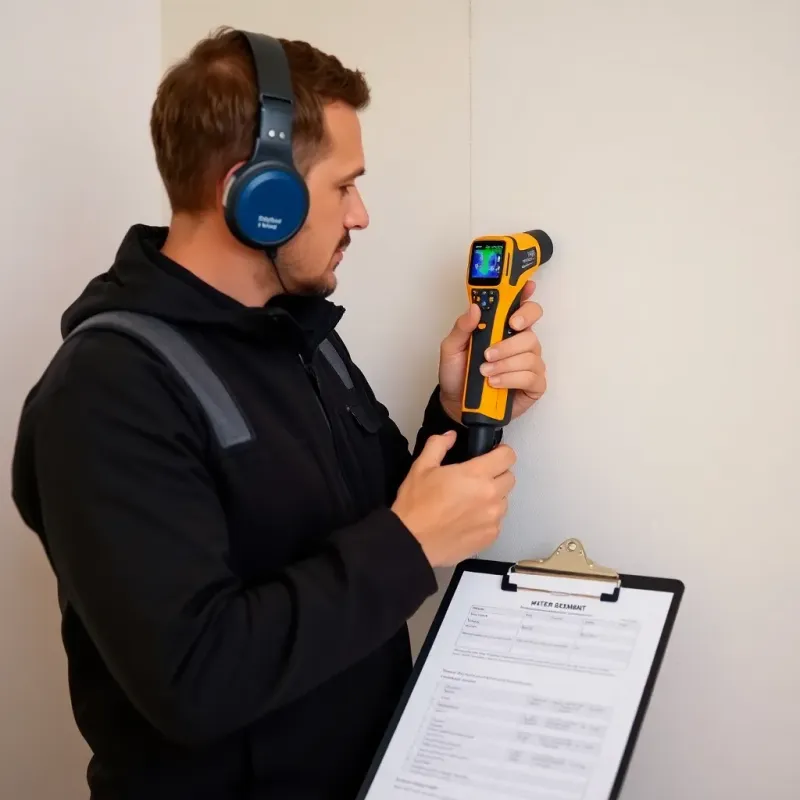
An estimate for water damage restoration is far more than a simple price quote. It’s a detailed assessment of the damage, the scope of work required, the timeline for completion, and all associated costs. Professional estimates typically include:
What a Comprehensive Estimate Includes:
- Detailed assessment of affected areas and materials
- Identification of hidden moisture and mold risk
- Documentation with photographs
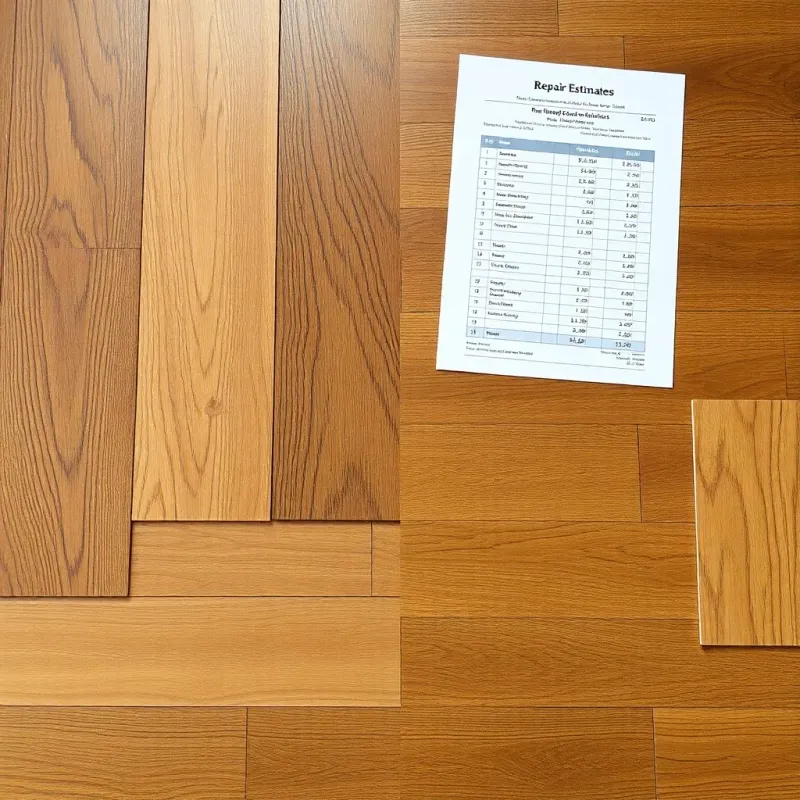
- Line-item breakdown of labor and materials
- Timeline for restoration
- Insurance claim information and documentation
- Warranty details on work performed
- Moisture reading reports and assessment data
Understanding these components ensures you can accurately compare estimates from different companies and make an informed decision.
How to Request Free Water Damage Estimates
Step 1: Document the Damage
Before contacting restoration companies, document water damage thoroughly with photos and videos of all affected areas. This documentation serves multiple purposes: it helps restoration companies provide more accurate estimates, it protects you with insurance companies, and it prevents further damage from going unnoticed.
Create a simple list noting:
- Initial water source (burst pipe, roof leak, flooding, etc.)
- Date and time water damage occurred
- Areas affected (specific rooms, square footage)
- Water type (clean water, gray water, or black water)
- Any visible damage to materials (drywall, flooring, baseboards)
Step 2: Identify Qualified Restoration Companies
Seek companies that are:
- IICRC certified (Institute of Inspection, Cleaning and Restoration Certification)
- Licensed and insured
- Available for emergency service (24/7 response)
- Have positive customer reviews and ratings
- Established for at least 5+ years in your area
Don’t just pick the first company that answers the phone. Quality matters when dealing with water damage restoration.
Step 3: Schedule Inspections
Contact at least 3-5 qualified companies and request free estimates. Most legitimate restoration companies offer free initial inspections. During scheduling, provide:
- Brief description of the damage
- When the water damage occurred
- Your preferred inspection time window
- Contact information and access instructions
Step 4: Prepare for the Inspection
When the inspector arrives, be prepared to:
- Provide access to all affected areas
- Explain what happened and how you discovered the damage
- Point out areas of concern, including any visible or suspected hidden water
- Provide information about insurance coverage
- Ask questions about the restoration process
What to Look for in Water Damage Estimates
Comprehensive Documentation
A professional estimate should include detailed documentation. Red flags appear when companies provide vague estimates without proper assessment. Look for:
- Specific room-by-room breakdown
- Square footage of affected areas
- Itemized costs for different services
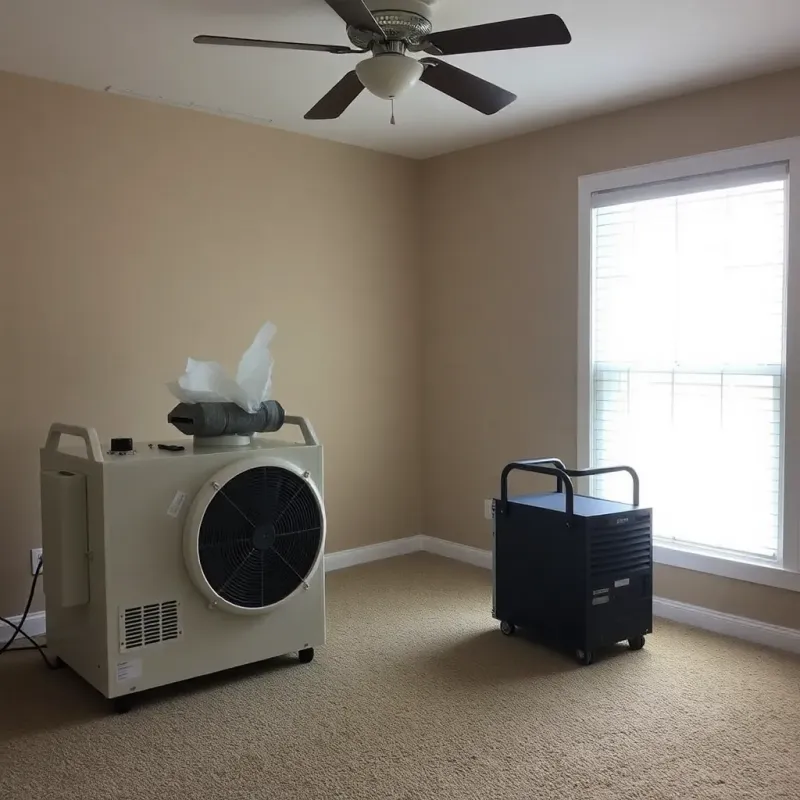
- Equipment rental and dehumidification costs
- Labor costs clearly separated
- Materials cost breakdown
Realistic Timeline
The restoration timeline depends on damage severity, but a good estimate should include:
- Initial water extraction (24-48 hours)
- Drying phase (3-7 days typically)
- Testing and moisture verification
- Restoration and reconstruction timeline
- Total project duration from start to finish
Beware of companies promising unrealistically fast turnarounds. Proper water damage restoration takes time and cannot be rushed without compromising quality.
Insurance Information
Quality restoration companies understand the insurance claim process. Your estimate should include:
- Documentation suitable for insurance claims
- Photos and moisture readings
- Explanation of covered vs. non-covered damage
- Proper coding and documentation
- Communication with insurance adjusters
- Explanation of the claims process
Red Flags in Water Damage Estimates
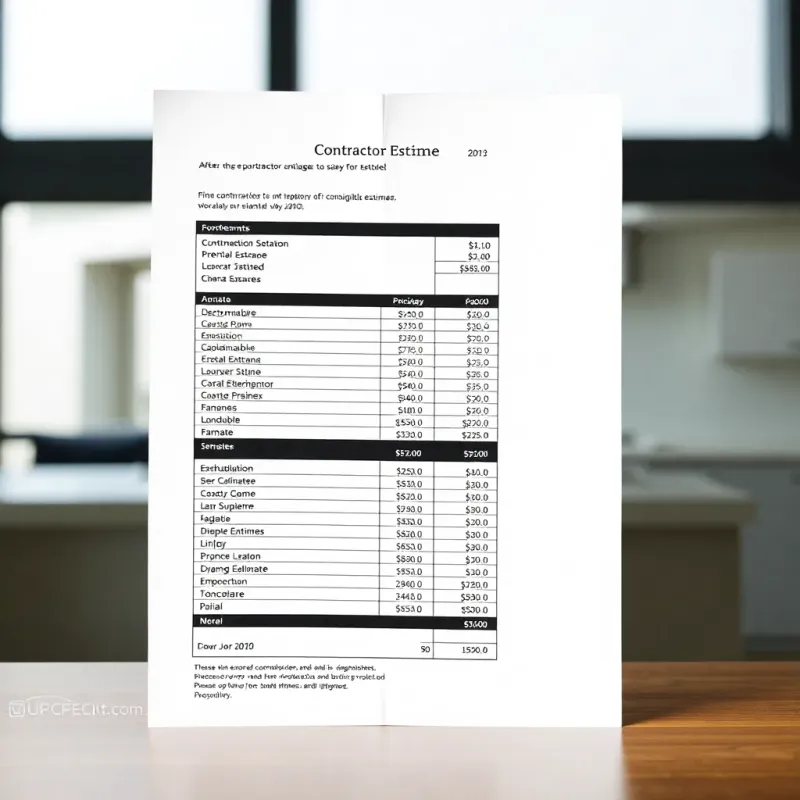
Knowing what to avoid protects you from unscrupulous companies. Watch out for:
Extremely Low Estimates
If an estimate seems too good to be true, it probably is. Suspiciously low prices often indicate:
- Inexperienced contractors
- Incomplete assessment
- Plans to cut corners
- Use of substandard materials
- Potential for unexpected additional charges
Pressure to Sign Immediately
Legitimate companies give you time to consider estimates. Companies pressuring you to sign without comparison shopping are prioritizing their commission over your best interest.
Lack of Documentation
Vague estimates without detailed breakdown suggest:
- Unprofessional operations
- Lack of proper assessment
- Potential for hidden costs
- Inability to accurately scope work
No Insurance Verification
Always verify that companies carry proper insurance and licensing. Uninsured contractors create liability problems if accidents occur during restoration.
Reluctance to Provide References
Any company worth hiring can provide customer references. If they’re evasive about this request, move on.
No Moisture Testing Equipment
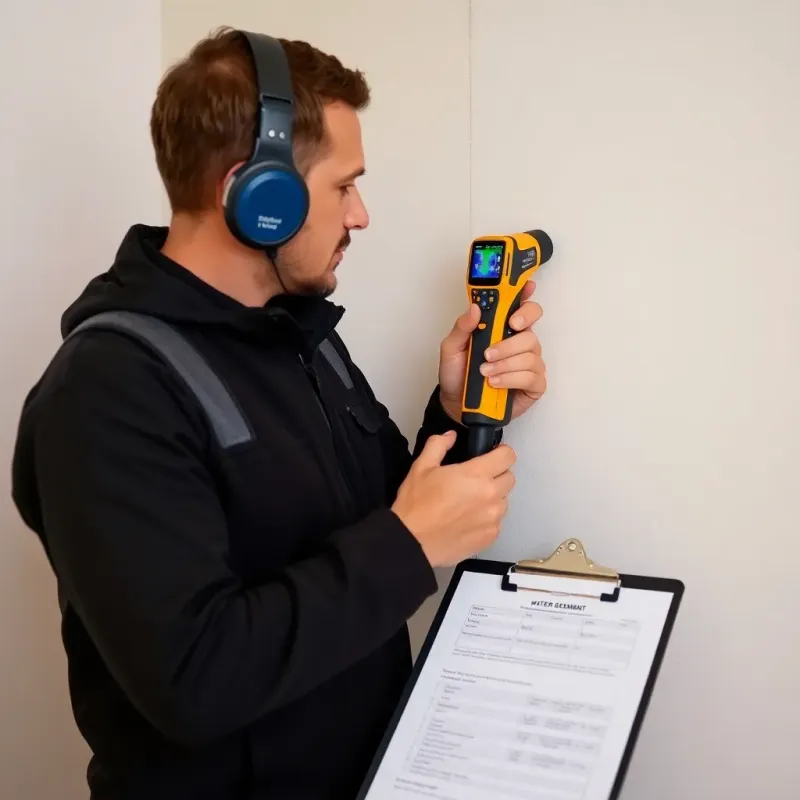
Professional assessment requires moisture meters and humidity detection tools. Companies without this equipment cannot properly diagnose hidden water damage.
Questions to Ask During the Estimate
Come prepared with important questions:
-
Is your company IICRC certified, and do your technicians hold individual certifications?
-
Do you provide free mold assessment, or is testing additional?
-
What equipment will you use for drying, and what’s the timeline?
-
Will you address hidden moisture behind walls or under flooring?
-
What’s your water extraction method, and how quickly can you respond?
-
Do you handle both restoration and reconstruction, or will I need separate contractors?
-
How do you handle insurance claims, and will you communicate directly with my adjuster?
-
What’s included in your warranty, and for how long?
-
What’s your cancellation policy if I decide to use another company?
-
Will the final bill match the estimate, and what could cause additional charges?
These questions reveal the professionalism and transparency of each company.
Comparing Multiple Estimates Effectively
Create a Comparison Chart
Organize estimates side-by-side to identify patterns:
| Company | Total Cost | Timeline | Warranty | IICRC Certified |
|---|---|---|---|---|
| Company A | ||||
| Company B | ||||
| Company C |
Look Beyond Price
One lesson I’ve learned helping homeowners is that the estimate process itself reveals a lot about the company. If an inspector spends less than 30 minutes on site, does not use a moisture meter, or gives you a number on the spot without a written breakdown, that is a red flag regardless of how low their price is.
The cheapest estimate isn’t always the best value. Consider:
- Experience and certifications
- Response time and availability
- Insurance coordination
- Thoroughness of assessment
- Customer reviews and references
- Warranty and guarantee terms
- Additional services offered
Request Itemized Explanations
If estimates vary significantly, ask companies to explain the differences. This conversation reveals their knowledge and professionalism.
Insurance Claims and Estimates
Most homeowners insurance policies cover sudden, accidental water damage — verify your homeowners insurance coverage before proceeding. The estimate becomes crucial documentation for your claim. When comparing estimates, ensure they include:
- Detailed photographic documentation
- Moisture readings and humidity levels
- Affected material identification
- Proper terminology for insurance purposes
- Line-item breakdown acceptable to insurers
- Professional assessment notation
Your insurance company may send their own adjuster, but having a detailed restoration estimate helps verify the damage and support your claim. Learn how to file your water damage insurance claim to make the most of your estimates.
Making Your Final Decision
After collecting and comparing estimates, the decision comes down to balancing cost with quality and reliability. Choose the company that offers:
- Professional, thorough assessment
- Clear, detailed documentation
- Reasonable pricing aligned with market rates
- Strong credentials and certifications
- Positive customer feedback
- Excellent communication and responsiveness
- Comprehensive warranty and guarantees
Never let cost alone determine your choice. Inferior restoration work creates long-term problems including mold growth, structural damage, and health issues.
FAQ: Water Damage Restoration Estimates
Q: Why should I get multiple estimates for water damage? A: Multiple estimates protect you financially by revealing fair market pricing and help you find the most qualified company. Different companies may identify different damage levels or restoration needs, so seeing multiple perspectives ensures comprehensive restoration.
Q: How long does a water damage inspection typically take? A: Most inspections take 45 minutes to 2 hours depending on the damage extent. The inspector needs time to assess visible damage, test for hidden moisture, document conditions, and provide detailed explanations.
Q: Are water damage estimates really free? A: Yes, reputable restoration companies provide free initial inspections and estimates. If a company charges for an estimate, that’s unusual and may indicate overpricing elsewhere.
Q: What should I do if estimates vary dramatically? A: Large variations suggest one company may have missed damage or overestimated. Ask each company to explain their assessment findings. Request additional inspections if variations exceed 25-30%.
Q: Can I negotiate water damage restoration costs? A: While some negotiation is possible on items like equipment rental, labor and materials costs are relatively fixed. Focus instead on ensuring comprehensive service rather than pushing prices down to inadequate levels.
Conclusion
Getting free estimates for water damage restoration is a straightforward process that protects both your wallet and your home. By requesting multiple assessments, asking the right questions, and carefully comparing your options, you’ll make an informed decision that ensures quality restoration and fair pricing.
Remember that water damage restoration is not an area to economize excessively. The cost of cutting corners—through mold growth, structural damage, and health problems—far exceeds the savings from choosing a budget contractor. Take your time with this decision, trust professionals with proper credentials, and don’t hesitate to ask detailed questions about every aspect of the estimate.
Your home is one of your most valuable assets. Treat water damage restoration with the seriousness it deserves by conducting thorough due diligence before making your decision.
Disclaimer: This article is for informational purposes only and does not constitute professional advice. Every water damage situation is unique. Always consult a licensed contractor or restoration professional for your specific situation. If you’re dealing with an emergency, contact your local restoration company immediately.