After flooding or major water intrusion, properly drying your home is critical for preventing structural damage and mold growth. However, drying costs can surprise homeowners unfamiliar with the process. Understanding drying equipment expenses, professional service rates, timelines, and cost factors helps you budget appropriately and make informed decisions about your restoration. Drying is just one component of total water damage restoration costs that homeowners should plan for.
This comprehensive guide breaks down all costs associated with house drying after flooding.
Key Takeaway: Professional house drying costs $1,000-$18,000+ depending on area size and conditions, but cutting corners on drying to save money almost always leads to far more expensive mold remediation and structural repairs down the road.
Average House Drying Costs in 2026
House drying costs vary significantly based on flooded square footage, water source contamination level, structural complexity, and your location. Here’s what to expect:
Cost Ranges by Scope
Small Area Drying (Under 500 sq ft)
- Equipment rental: $200-$500 for 7-10 days
- Professional monitoring: $400-$800
- Total cost: $600-$1,300
Medium Area Drying (500-1,500 sq ft)
- Equipment rental: $500-$1,500 for 7-14 days
- Professional drying service: $1,000-$2,500
- Total cost: $1,500-$4,000
Large Area Drying (1,500-3,000 sq ft)
- Equipment rental: $1,500-$4,000 for 10-14 days
- Professional drying service: $2,500-$5,000
- Total cost: $4,000-$9,000
Whole House Drying (3,000+ sq ft)
- Equipment rental: $4,000-$8,000 for 14-21 days
- Professional drying service: $5,000-$10,000+
- Total cost: $9,000-$18,000+
Equipment Rental Costs for House Drying
If you’re handling drying yourself or supplementing professional services, understanding equipment rental costs is essential.
Dehumidifier Rental Costs
Dehumidifiers are the workhorses of flood drying, removing moisture from air and structural materials.
Standard Commercial Dehumidifiers
- Rental cost: $25-$35 per day
- Capacity: 150-300 pints per day
- Best for: Medium-sized rooms, second floors
- Typical rental: 7-14 days
Large Industrial Dehumidifiers
- Rental cost: $40-$60 per day
- Capacity: 300-500 pints per day
- Best for: Large basements, main floors
- Multiple units often needed for whole-house drying
Specialty Dehumidifiers
- Desiccant dehumidifiers: $50-$80 per day
- Best for: Very high moisture situations
- Crawl space dehumidifiers: $30-$50 per day
Air Mover and Fan Rental Costs
Air movers accelerate evaporation by promoting air circulation.
Portable Air Movers
- Rental cost: $15-$25 per day
- Power: 1-3 horsepower
- Coverage: Single room to 500 sq ft
- Typically needed: 3-5 units for whole-house
High-Velocity Fans
- Rental cost: $20-$35 per day
- Power: Large area coverage
- Best for: Accelerating drying in final stages
- Typical quantity: 2-4 units
Air Scrubber and Filtration Rental
Air scrubbers remove contaminants and odors.
HEPA Air Scrubbers
- Rental cost: $30-$50 per day
- Essential for: Contaminated water situations
- Recommended duration: Full drying period
Negative Pressure Equipment
- Rental cost: $40-$70 per day
- Purpose: Prevent contaminant spread
- Critical for: Mold prevention
- Typical use: 7-14 days
Moisture Detection Equipment Rental
Professional assessment requires moisture monitoring.
Moisture Meters
- Rental cost: $10-$20 per day
- Purpose: Track drying progress
- Necessary for: Verification of complete drying
Hygrometers
- Rental cost: $5-$15 per day
- Purpose: Monitor humidity levels
- Helpful for: Ensuring humidity drops below 50%
Total Equipment Rental Scenarios
Basic DIY Drying Setup (for 500-1,000 sq ft)
- 2 standard dehumidifiers: $50-$70 daily
- 3 air movers: $45-$75 daily
- 1 moisture meter: $10-$20 daily
- Daily cost: $105-$165
- 10-day rental: $1,050-$1,650
Comprehensive Professional-Grade Setup (for 1,500-3,000 sq ft)
- 4 industrial dehumidifiers: $160-$240 daily
- 6 air movers: $90-$150 daily
- 2 HEPA air scrubbers: $60-$100 daily
- Negative pressure equipment: $40-$70 daily
- Monitoring equipment: $20-$40 daily
- Daily cost: $370-$600
- 14-day rental: $5,180-$8,400
Professional House Drying Service Costs
Professional drying services handle complete restoration without DIY involvement.
What Professional Services Include
Drying Services Typically Include:
- Initial moisture assessment
- Water extraction and removal
- Dehumidifier placement and setup
- Air circulation optimization
- Daily or twice-daily monitoring
- Humidity and moisture readings
- Equipment maintenance and adjustment
- Drying progress documentation
- Post-drying verification and testing
- 24/7 emergency availability
Professional Drying Service Pricing
Basement Drying
- 1,000-1,500 sq ft: $1,500-$3,000
- 1,500-2,000 sq ft: $2,000-$4,000
- 2,000-3,000 sq ft: $3,000-$5,000
Multiple Floor Drying
- 2-story home (2,500+ sq ft): $4,000-$7,000
- Full home restoration: $6,000-$12,000+
Additional Services
- Crawl space drying: $1,000-$2,500
- HVAC ductwork drying: $500-$1,500
- Structural drying (walls, subfloors): $1,000-$3,000
- Content restoration: Varies widely, $500-$5,000+
Timeline and Cost Correlation
Drying duration directly affects total costs, especially for equipment rental.
Typical Drying Timelines
Quick-Dry Scenarios (3-5 days)
- Small, contained water spills
- Early intervention before moisture penetrates deeply
- Optimal conditions: Warm weather, low humidity
- Cost impact: Lower equipment rental costs
Standard Drying (7-10 days)
- Most typical restoration projects
- Adequate for complete moisture removal from accessible areas
- Professional standard timeline
- Moderate equipment costs
Extended Drying (14-21 days)
- Large flood areas
- Moisture in structural materials
- Cold or humid conditions delaying evaporation
- High equipment rental costs
Severe Situations (21-30+ days)
- Extensive water intrusion
- Damage to multiple structural layers
- Climate conditions inhibiting drying
- Substantial ongoing costs
Cost Per Day Trends
Understanding daily cost patterns helps project total expenses:
- Days 1-3: High equipment rental concentration, initial extraction
- Days 4-7: Peak rental costs, continuous monitoring
- Days 8-14: Ongoing rental, decreasing moisture removal rate
- Days 15+: Equipment removal phase, lower monitoring needs
Professional services often offer tiered pricing encouraging faster completion.
Factors That Affect House Drying Costs
Multiple variables influence how much your specific drying project will cost.
Water Source and Contamination Level
Clean Water (Burst pipes, roof leaks)
- Standard drying protocols
- No special decontamination needed
- Lower overall costs
Gray Water (Toilet overflows, washing machine discharge)
- Requires decontamination
- Antimicrobial treatment needed
- 10-15% cost premium
Black Water (Sewage, floodwater)
- Full decontamination required
- Specialized equipment
- Professional services mandatory
- 30-50% higher costs
Climate and Humidity Conditions
Dry, Warm Climate
- Evaporation rate: 2-4 pounds per 1,000 sq ft daily
- Drying timeline: 5-7 days typical
- Optimal for natural drying
- Lower equipment needs
Humid Climate
- Evaporation rate: 0.5-1.5 pounds per 1,000 sq ft daily
- Drying timeline: 10-14 days typical
- Equipment critical for success
- Higher overall costs
Cold Climate
- Evaporation rate: Minimal natural drying
- Drying timeline: 14-21 days
- Heated equipment often needed
- Extended rental increases costs
Seasonal Impact
- Summer drying: 20-30% faster
- Winter drying: 30-50% slower
- Spring/fall: Moderate timing
Building Materials and Structure Type
Moisture Absorption Rates:
Easily Dried Materials
- Concrete (sealed): Dries quickly, lower costs
- Vinyl flooring: Minimal absorption
- Tile: Dries rapidly
Moderately Absorbent
- Hardwood flooring: Days 5-12 of drying
- Drywall: Days 5-14 depending on saturation
- Concrete block: Days 10-21
Highly Absorbent
- Carpet and padding: Days 3-7 (often replacement)
- Insulation: Days 7-21
- Subflooring: Days 10-21+
Structural Complexity
- Open floor plans: Dry faster, lower cost
- Multiple closed rooms: Slower drying, higher cost
- Finished basements with walls: Extended drying
- Crawl spaces: Added complexity and cost
Extraction and Moisture Source Control
Rapid Extraction Capability
- Professional extraction: Removes 50-80% of water, accelerates drying
- DIY methods: Removes 20-40%, prolongs drying timeline
- Impact on cost: Professional extraction adds $1,000-$3,000 upfront but reduces total drying time
Moisture Source Management
- Ongoing water intrusion: Continuously increases drying time and costs
- Controlled source: Allows efficient drying
- Groundwater seepage: May require ongoing pumping ($500-$1,500)
- Weather-related: May delay completion during continued rain
Geographic Location and Local Market
Regional Cost Variations:
Northeast: 15-20% above national average due to labor costs and humidity
Southeast: High average costs due to frequent water damage and humid climate
Midwest: Near national average with seasonal variations
Southwest: Lower costs except in major urban areas
West Coast: 20-30% above national average in metropolitan areas
Rural Areas: May have limited equipment availability, increasing rental costs
Insurance Coverage for Drying Costs
Understanding your insurance situation is critical for managing drying expenses.
Homeowners Insurance Coverage
Covered Water Damage:
- Burst pipes: Usually fully covered
- Roof leaks from storms: Typically covered
- Appliance failures: Usually covered
- Professional drying costs: Covered when damage is covered
Uncovered Situations:
- Gradual leaks: Usually excluded
- Flood from weather: Requires separate flood insurance
- Sewage backup: Excluded unless specific endorsement
- Maintenance-related: Not covered
Coverage Limits and Deductibles
Most homeowners insurance covers water damage-related drying at:
- $10,000-$25,000 annual limit
- $1,000-$5,000 typical deductible
- Actual cost reimbursement (no ceiling)
Professional drying costs typically fall within these limits, making most legitimate water damage drying fully covered after deductible.
Documentation and Claims
Professional drying companies often:
- Document all services provided
- Provide detailed invoices supporting claims
- Communicate with insurance directly
- Help dispute denials
- Provide before/after photos and reports
This documentation is crucial for successful claims. DIY drying efforts lack documentation insurance companies need.
Cost-Saving Strategies
Several legitimate approaches help reduce drying costs without compromising quality.
Act Quickly on Water Removal
Professional water extraction within hours of damage discovery can reduce drying time by 3-7 days. Quick extraction prevents deep moisture penetration, lowering overall equipment rental costs.
Optimize Equipment Placement
From my years in the field, I always recommend pointing air movers at walls rather than across open floor space. The walls and wall cavities are where the most stubborn hidden moisture hides, and directing airflow there accelerates drying where it matters most.
Strategic positioning of dehumidifiers and air movers optimizes drying efficiency:
- Dehumidifiers centrally located in affected areas
- Air movers positioned to maximize circulation
- Doors open between areas to create flow
- Sealing unaffected areas to concentrate effort
Proper setup reduces equipment needs and drying duration.
Use Natural Drying When Possible
In favorable conditions:
- Open windows and doors for air circulation
- Use fans to move air through areas
- Run HVAC system to support air movement
- Take advantage of sunny, dry days
This supplements mechanical drying, potentially reducing rental duration.
Negotiate Equipment Rental Rates
Longer rentals often receive discounts:
- 7-day rentals: Standard daily rate
- 14-day rentals: 10-15% discount common
- 21+ day rentals: 20-25% discount possible
- Bundle discounts: Multiple equipment types rented together
Obtain Multiple Professional Quotes
Get 3-5 estimates comparing:
- Daily monitoring frequency
- Equipment provided
- Timeline to completion
- Warranty provisions
- Additional services included
Comparing comprehensive value helps identify best investment rather than lowest price.
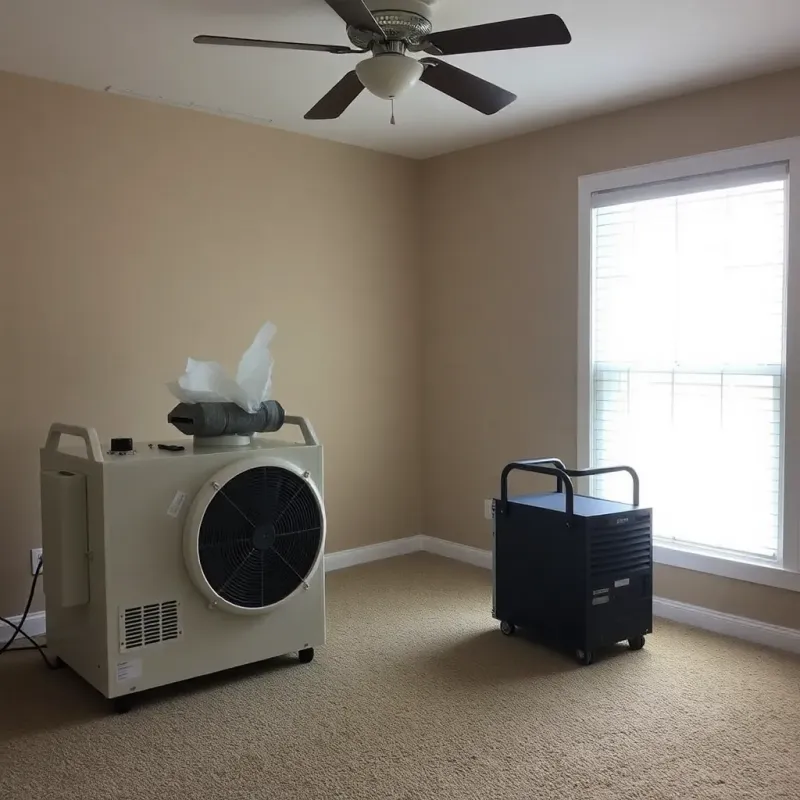
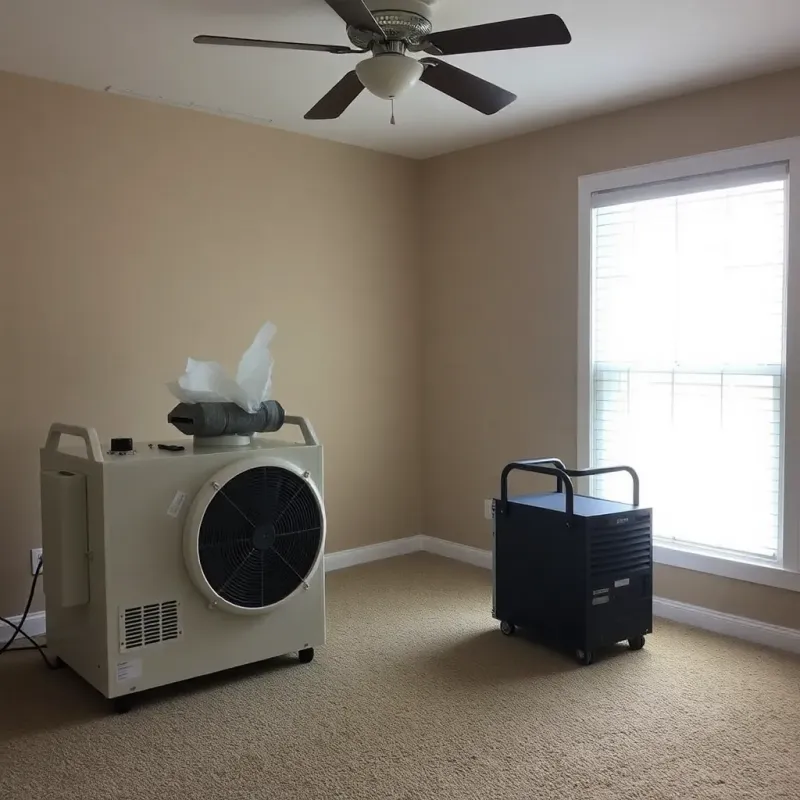 “Properly positioned industrial drying equipment working together to remove moisture from flood-damaged structure”
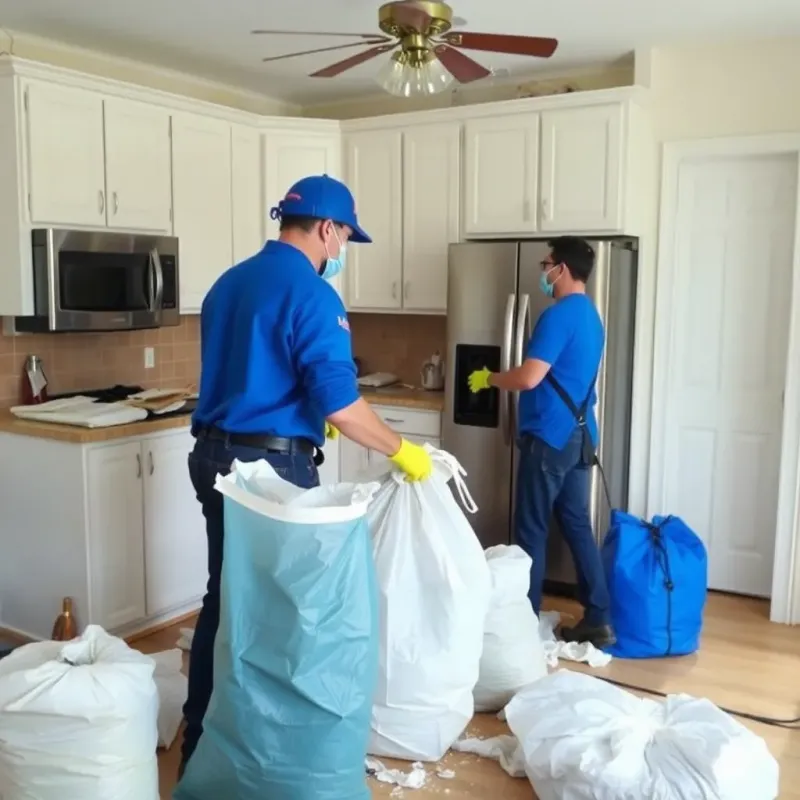
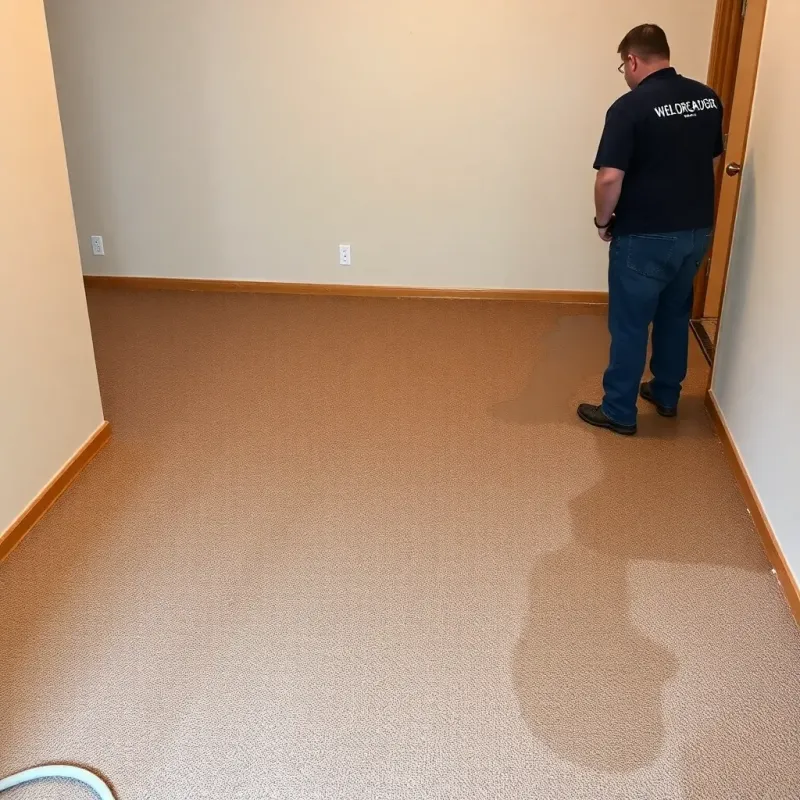 “Extensive water damage requiring multiple days of professional drying and monitoring for complete moisture removal”
DIY vs Professional Drying Cost Comparison
DIY Drying Project (1,500 sq ft basement)
- Equipment rental (10 days): $1,200
- Supplies and materials: $300
- Personal time (50+ hours): $1,000-$2,000 value
- Risk of incomplete drying: $5,000-$15,000 potential
Professional Drying Service (Same area)
- Assessment and setup: $500
- 10-day drying service: $2,000-$3,000
- Monitoring and reporting: $500
- Total: $3,000-$4,000
While DIY appears cheaper initially, professional services eliminate incomplete drying risks and provide insurance documentation. Read our detailed analysis of whether professional restoration is worth it versus DIY to evaluate your options. Total cost-benefit usually favors professional services.
Timeline for Complete House Drying
Understanding realistic timelines helps plan your drying project:
Days 1-2: Assessment and Extraction
- Moisture assessment
- Water removal
- Initial documentation
- Equipment setup
Days 3-7: Initial Drying Phase
- Rapid moisture removal
- Daily monitoring
- Equipment adjustments
- Humidity reduction toward 50%
Days 8-14: Secondary Drying Phase
- Deep structural drying
- Moisture removal from materials
- Final humidity reduction
- Continuous monitoring
Days 15+: Verification and Completion
- Post-drying testing
- Final moisture readings
- Clearance for reconstruction
- Documentation completion
Total timeline: 7-21 days depending on damage extent and conditions.
Post-Drying Verification and Testing
After drying completion, professionals verify moisture has been adequately removed:
Moisture Content Testing
- Wood: Target below 16% moisture content
- Drywall: Target below 12%
- Concrete: Target below 3-4%
Humidity Verification
- Indoor relative humidity: Below 50%
- No condensation visible
- Air quality testing for mold spores
Documentation Requirements
- Final moisture readings
- Completion certificate
- Recommendations for reconstruction
- Warranty documentation
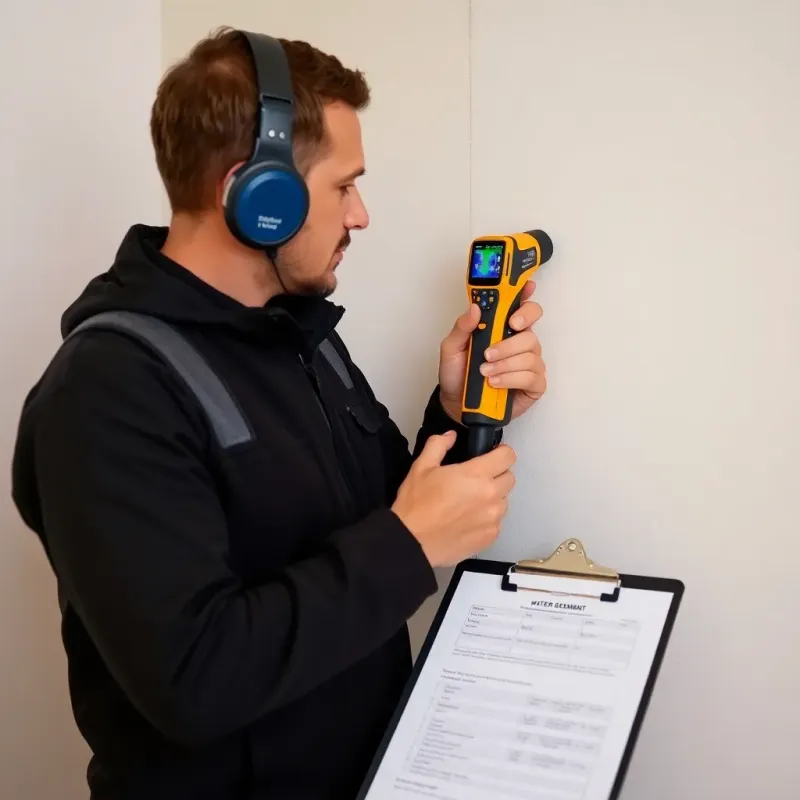
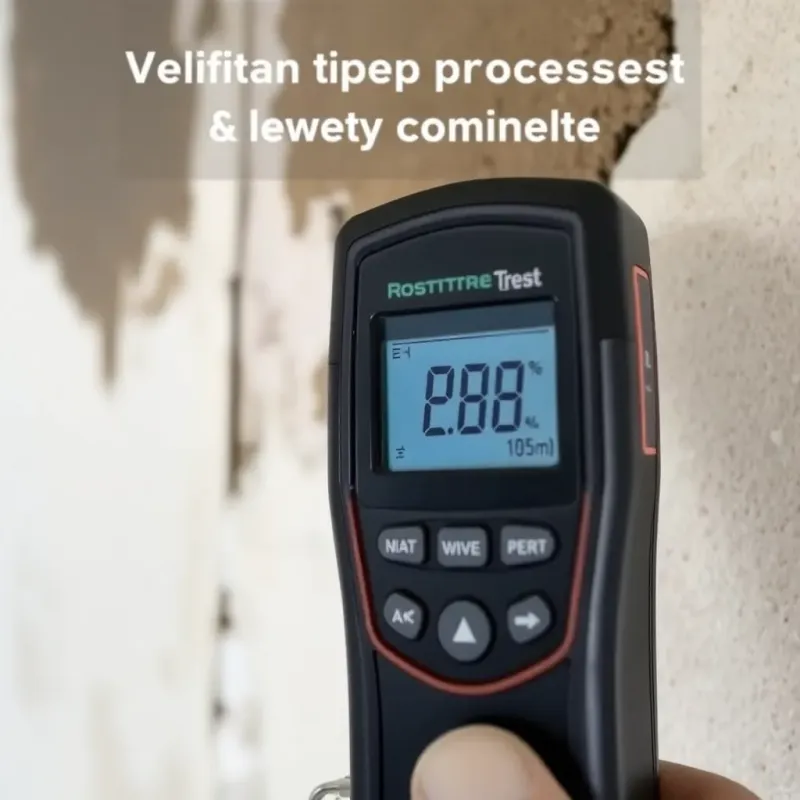 “Post-drying moisture verification ensuring complete structural drying before beginning reconstruction and restoration”
Preventing Future Drying Costs
The best drying cost is one you never incur through prevention:
Prevention Investments:
- Sump pump with battery backup: $800-$2,000 — see methods to prevent basement flooding
- Foundation waterproofing: $2,000-$5,000
- Gutter and downspout upgrades: $500-$1,500
- Water detection and alert systems: $200-$1,000
- Annual maintenance: $100-$300 yearly
These investments prevent damage costing $9,000-$18,000+ to dry.
FAQ
Q: How long does house drying typically take? A: Standard drying requires 7-14 days for complete moisture removal. Extensive damage or poor conditions may extend drying to 21 days or longer.
Q: Can I use household dehumidifiers instead of renting industrial units? A: Household units can supplement industrial equipment but are inefficient for flood drying. A single industrial unit removes as much moisture as 5-10 household units. Professional equipment is more cost-effective for whole-house projects.
Q: Does homeowners insurance pay for drying costs? A: Yes, when water damage is from covered sources (burst pipes, storms). Costs are reimbursed as part of water damage claims. Gradual leaks or flooding typically aren’t covered unless you have flood insurance.
Q: What happens if drying is incomplete? A: Hidden moisture in walls and under flooring leads to mold growth and structural rot. Mold remediation costs $8,000-$15,000+, and structural repairs cost thousands more. Professional verification ensures complete drying.
Q: Is it worth paying for professional monitoring during drying? A: Yes. Professionals use moisture detection equipment identifying incomplete drying before it becomes a problem. They adjust equipment for optimal efficiency and provide insurance documentation. Their expertise prevents costly mistakes.
Conclusion
House drying after flooding requires understanding equipment costs, professional service expenses, timelines, and the many factors affecting total project cost. While drying costs range from $1,000-$18,000+ depending on damage extent, professional services typically provide the best value when considering complete restoration quality, insurance documentation, and prevention of future complications.
Quick action, professional assessment, and proper equipment selection all reduce both drying duration and total costs. Most homeowners find that professional restoration investment protects their home far better than DIY attempts at similar or higher total cost.
After suffering water damage, consulting with certified drying professionals provides clarity on realistic timelines and costs specific to your situation. Most offer free assessments, helping you understand what your home needs for complete, effective drying and restoration.
Disclaimer: This article is for informational purposes only and does not constitute professional advice. Every water damage situation is unique. Always consult a licensed contractor or restoration professional for your specific situation. If you’re dealing with an emergency, contact your local restoration company immediately.