When water damage strikes your home, one of the first decisions you face is whether to handle repairs yourself or hire professional restoration services. This decision involves weighing costs, risks, time investment, and long-term consequences. The answer isn’t one-size-fits-all—it depends on the damage severity, your skills, equipment access, and risk tolerance.
This comprehensive guide helps you understand when DIY is appropriate, when professionals are essential, and how to evaluate the true cost-benefit analysis of each approach.
Key Takeaway: Professional restoration is almost always worth it for damage exceeding 100 square feet or involving contaminated water, because hidden moisture that DIY efforts miss frequently leads to mold remediation costs that dwarf the original restoration expense.
The True Cost of Professional Water Damage Restoration
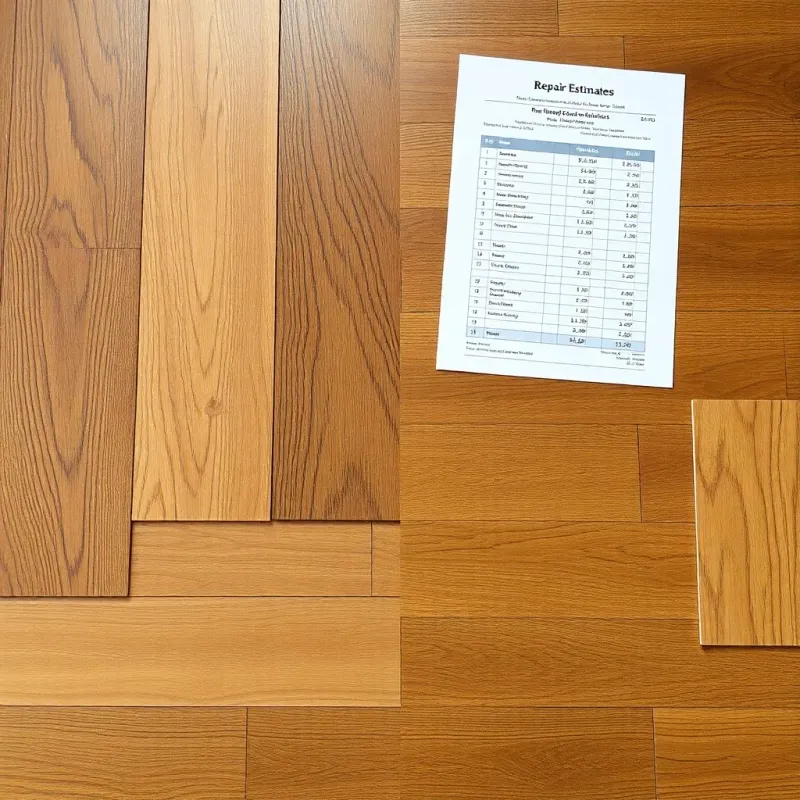
Professional water damage restoration typically costs between $3,000 and $25,000+ depending on damage extent. Our detailed professional restoration cost breakdown covers what drives these numbers. While this seems expensive compared to DIY supplies, understanding what’s included in professional services clarifies the value proposition.
What Professional Services Include
Equipment and Technology
- Industrial-grade dehumidifiers ($2,000-$8,000+ per unit)
- HEPA air scrubbers and filtration systems
- Moisture detection equipment and thermal imaging
- Specialized pumps and extraction systems
- Professional-grade drying equipment
Expertise and Assessment
- Water damage categorization and assessment
- Hidden moisture detection behind walls and under flooring
- Structural integrity evaluation
- Mold and contamination testing
- Insurance documentation and claim support
Comprehensive Remediation
- Complete water extraction
- Complete structural drying (often 7-21 days)
- Decontamination and antimicrobial treatment
- Content restoration and cleaning
- Moisture source identification and temporary repairs
- Detailed restoration documentation
Accountability and Warranty
- Insurance claim assistance
- Detailed before/after documentation
- Written warranty on services performed
- Liability insurance protecting your interests
- Post-restoration verification testing
When DIY Water Damage Repair Is Appropriate
Certain situations are genuinely suitable for DIY approaches when you have the right knowledge and equipment.
Ideal DIY Scenarios
Minor Water Spills and Leaks
- Contained water from burst pipes or leaking appliances
- Water limited to one small area
- Clean water source (not floodwater)
- Quick identification and stoppage of water source
- Minimal structural impact
Small Drying Projects
- Wet carpets from minor spills (under 50 square feet)
- Damp baseboards that can be replaced
- Wet drywall limited to lower sections
- Quick-dry situations with good ventilation available
Non-Structural Items
- Cleaning and drying personal belongings
- Salvaging documents and photographs
- Decontaminating contents after professional water extraction
- Cleaning and deodorizing after structural drying is complete
Preventive Measures
- Regular HVAC system maintenance
- Gutter cleaning and downspout extension
- Basement waterproofing improvements
- Sump pump installation and testing
- Improved drainage around foundation
DIY Supplies and Equipment Needed
If you proceed with DIY water damage response, essential supplies include:
Basic Supplies ($200-$500)
- Dehumidifiers (rental: $20-$40 daily)
- Portable fans
- Wet/dry vacuum
- Cleaning supplies and disinfectants
- Gloves, masks, and protective equipment
- Plastic sheeting and duct tape
- Absorbent materials and towels
Testing Equipment ($100-$300)
- Moisture meter
- Humidity monitor
- Basic pH and water quality testing strips
Rental Equipment ($40-$100 daily)
- Industrial dehumidifiers
- Air movers and circulation fans
- Carpet extractors
- Moisture detection equipment
Critical Risks of DIY Water Damage Restoration
Understanding the substantial risks of DIY approaches is crucial for making an informed decision.
Health and Safety Risks
Contaminated Water Exposure Floodwater, sewage backups, and water from unknown sources contain harmful bacteria, viruses, and parasites. Exposure without proper protection causes serious illness. Even clean water can harbor dangerous mold spores during drying phases.
Mold Development Incomplete drying creates perfect conditions for rapid mold growth. Mold spores become dangerous within 24-48 hours of water exposure. DIY drying efforts often miss hidden moisture in walls, under flooring, and in ductwork, leading to costly mold remediation later.
Structural Hazards Wet structural components become unstable and pose collapse risks. Electrical hazards from water exposure create shock and fire risks. Without proper assessment, these dangers go unrecognized.
Financial Risks
Hidden Damage Goes Undetected Professional equipment detects moisture hidden behind walls, under flooring, and in HVAC systems. Learning to recognize signs of hidden water damage in walls helps you understand what DIY approaches miss, leaving expensive problems to develop later. Hidden moisture causes:
- Structural rot and deterioration
- Electrical system corrosion
- Mold development inside walls
- Foundation damage and settling
- Costly repairs months or years later
Insurance Claim Complications Improper water damage response often voids insurance coverage. Insurers expect reasonable mitigation efforts. Inadequate drying or failure to prevent mold development can result in claim denial. Professional documentation supports successful claims.
Property Value Impact Homes with history of water damage and mold problems lose 5-10% of market value. Even well-executed DIY repairs may not fully restore property value. Professional restoration with proper documentation better protects long-term investment.
Incomplete Remediation Costs More Later What costs $5,000 to professionally remediate can cost $20,000+ if DIY attempts create additional problems. Inadequate drying leads to mold remediation. Missed moisture sources cause structural damage. Initial savings disappear quickly.
Time and Effort Requirements
Professional teams complete jobs in days or weeks. DIY approaches consume weeks or months of your personal time:
- Water removal: 8-40 hours
- Surface cleaning: 12-24 hours
- Drying monitoring: 30-50 hours over 7-10 days
- Ongoing maintenance and adjustments: 20+ hours
- Content restoration: 40+ hours depending on items
For many homeowners, this time investment isn’t feasible alongside work and family obligations.
What Professional Water Damage Specialists Do Differently
Professional restoration companies employ expertise, technology, and processes that DIY approaches cannot replicate.
Advanced Assessment and Detection
Professional restoration begins with comprehensive evaluation:
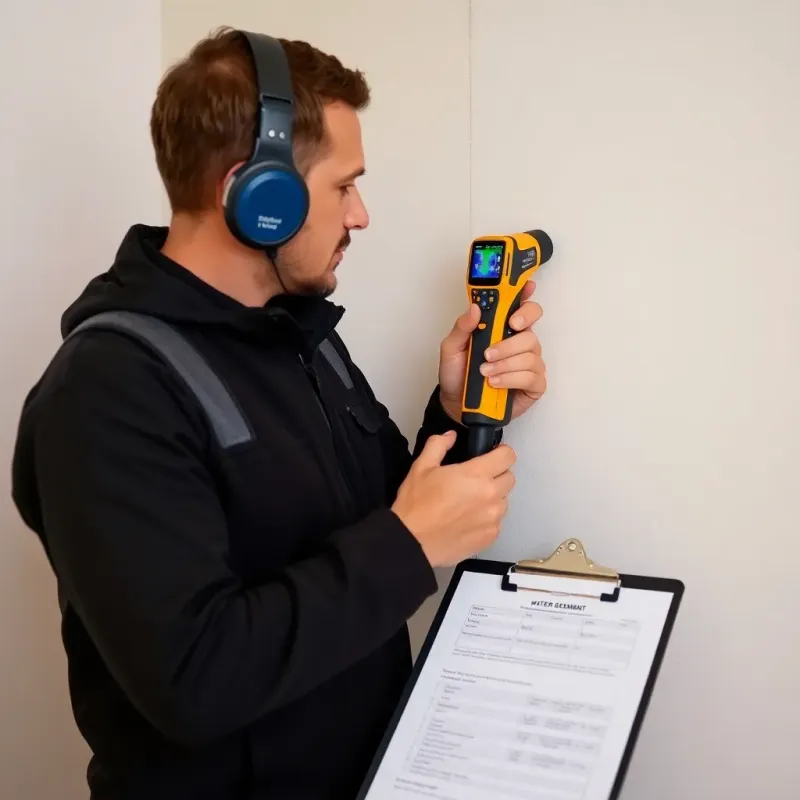
Moisture Mapping Thermal imaging and moisture meters create detailed maps of affected areas, revealing moisture in locations invisible to the eye. This identifies precisely where to focus drying efforts and prevents missed damage.
Water Categorization Professionals classify water as clean, gray, or black based on contamination levels. This determines appropriate decontamination protocols and protection measures.
Structural Assessment Engineers evaluate structural integrity, identifying components needing repair or replacement. This assessment prevents future failures and ensures safety.
Specialized Drying Technology
Professional drying far exceeds what DIY efforts achieve:
Commercial Dehumidifiers Industrial units remove 300+ pounds of water daily versus 20-30 pounds for consumer models. Strategic placement and monitoring ensures complete moisture removal.
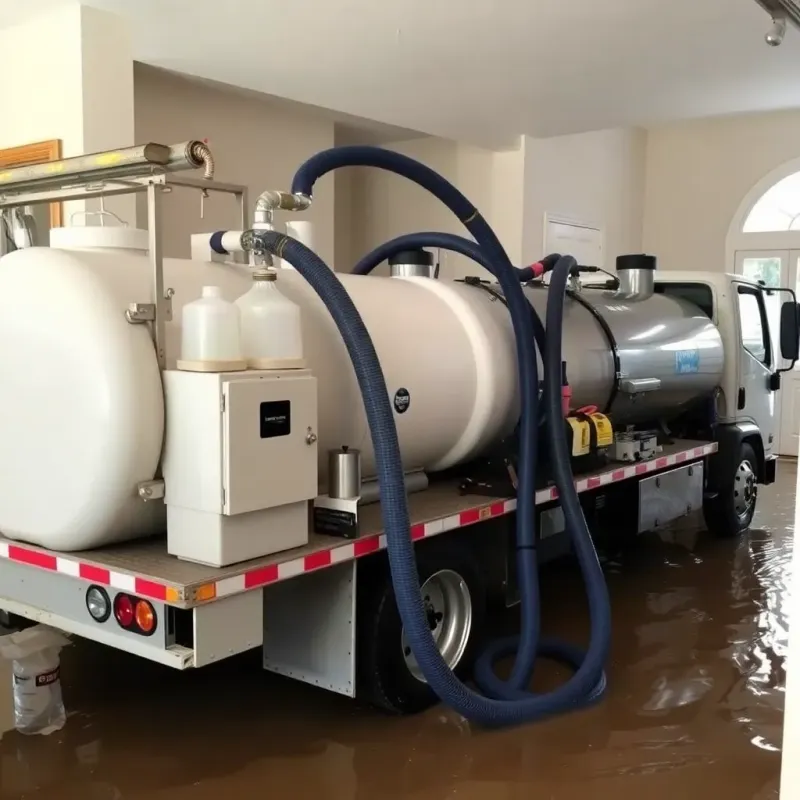
Moisture Extraction Truck-mounted and portable extractors remove water from walls, subflooring, and structural components. This accelerates drying and prevents moisture pockets.
Air Movement and Circulation Large-scale air movers complement dehumidification, promoting evaporation and preventing stagnant moisture zones.
Monitoring and Adjustment Professionals continuously monitor humidity levels and moisture content, adjusting equipment placement and settings for optimal results. This prevents premature equipment removal or missed drying areas.
Documentation and Quality Control
Professional companies maintain detailed records:
Before and After Documentation Photographs and video document damage extent and remediation progress. This supports insurance claims and provides accountability.
Moisture Testing Professional moisture meters measure wood, concrete, and drywall moisture content, ensuring drying is complete before reconstruction begins.
Post-Restoration Verification Final inspections confirm all affected materials have reached acceptable moisture levels and no hidden damage remains.
Insurance and Liability Protection
Working with licensed, insured professionals protects you:
Claim Assistance Professionals understand insurance requirements and provide documentation supporting claims. They often communicate directly with insurers, streamlining the process.
Liability Coverage Professional companies carry insurance protecting both themselves and your property. If something goes wrong, you have recourse.
Warranty Professional work typically includes warranties covering remediation and subsequent mold growth, providing peace of mind and protection.
Cost Comparison: DIY vs Professional Restoration
Let’s analyze realistic costs for typical water damage scenarios:
Scenario 1: Small Bathroom Leak (200 sq ft affected)
DIY Approach:
- Basic supplies and equipment rental: $800
- Personal time (30 hours): $750-$1,500 value
- Potential incomplete drying: Risk of $5,000+ mold remediation
- Total DIY cost: $1,550-$2,300 plus risk
Professional Approach:
- Assessment and water removal: $800
- Equipment rental and drying: $1,200
- Monitoring and documentation: $400
- Total Professional cost: $2,400
Analysis: Professional cost is similar but eliminates drying failure risk and provides insurance documentation.
Scenario 2: Significant Basement Flooding (1,500 sq ft affected)
DIY Approach:
- Equipment rental: $3,000-$5,000
- Supplies and materials: $1,500
- Personal time (80+ hours): $2,000-$4,000 value
- High probability of incomplete drying (40-50% chance)
- Total DIY cost: $6,500-$10,000 plus high failure risk
Professional Approach:
- Assessment and extraction: $2,000
- Industrial drying equipment: $4,000-$6,000
- Monitoring and restoration: $2,000
- Total Professional cost: $8,000-$10,000
Analysis: Professional cost is comparable but with guaranteed complete drying and full insurance support.
Scenario 3: Major Flood Damage (5,000+ sq ft affected)
DIY Approach:
- Equipment and supplies: $5,000-$10,000
- Personal time: 100+ hours ($2,500-$5,000 value)
- Likely incomplete remediation requiring professional intervention anyway
- Total DIY cost: $7,500-$15,000 plus rework costs
Professional Approach:
- Complete restoration: $15,000-$30,000
- Insurance assistance: Likely recovers 70-80% of costs
- Total Professional cost (after insurance): $3,000-$9,000
Analysis: Professional services cost more upfront but insurance often covers major damage, making net cost comparable or lower than DIY with potential rework.
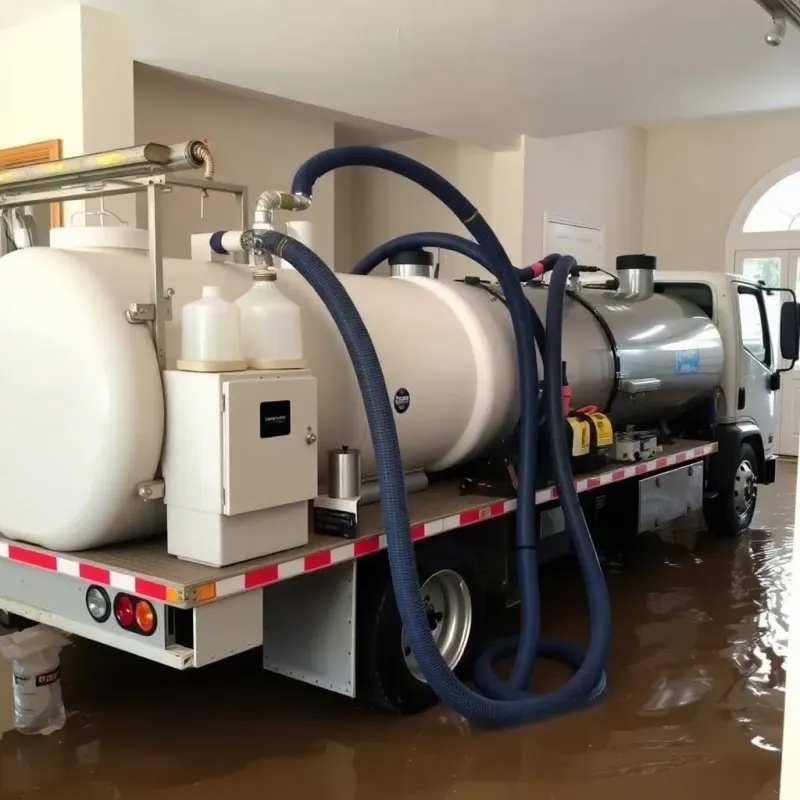 “Industrial-grade water extraction and drying equipment used by professional restoration teams”
What Professional Water Damage Specialists Do Differently
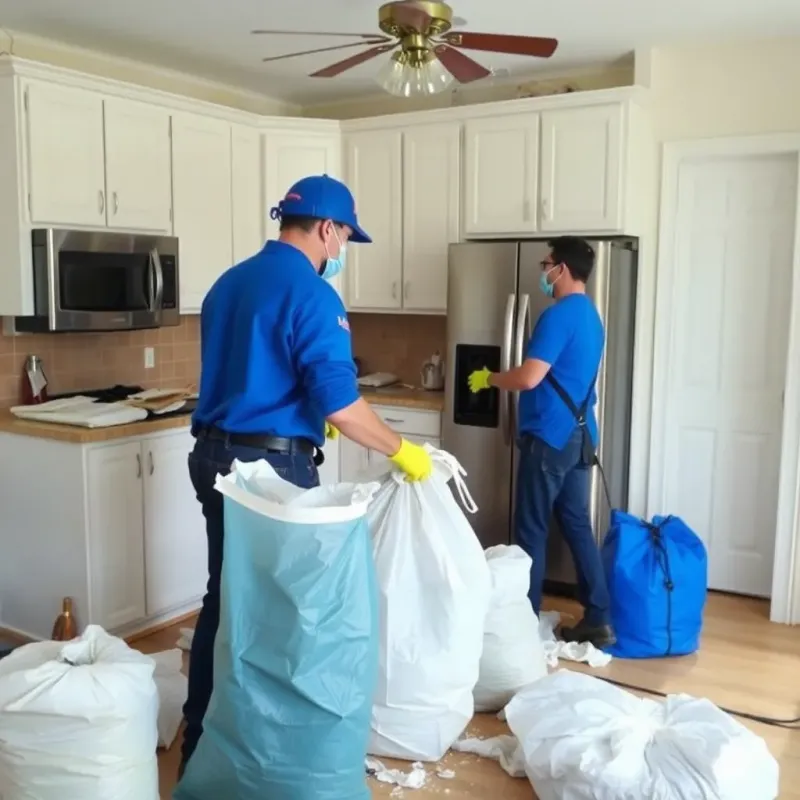
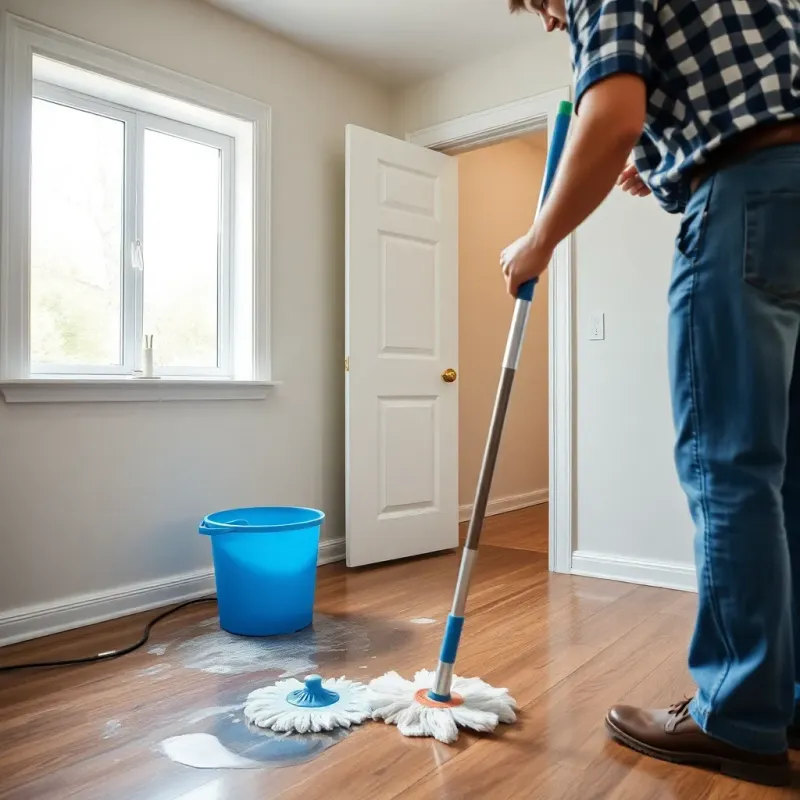 “Basic DIY cleanup approach showing limitations compared to professional-grade restoration methods”
Professional restoration companies employ expertise, technology, and processes that DIY approaches cannot replicate.
Use this framework to decide the best approach for your specific situation:
Choose DIY Only If:
- Water damage is limited to one small area (under 100 sq ft)
- Water source is clean (burst pipe, not floodwater)
- You can identify and stop the water source immediately
- Moisture is easily accessible and visible
- You have time to dedicate to monitoring (7-10 days minimum)
- You can afford potential rework if incomplete
- No significant structural damage is apparent
- You have access to equipment or budget to rent it
Choose Professional Services If:
- Water damage covers more than 100 square feet
- Water source is unknown or contaminated
- Water has penetrated walls or under flooring
- Significant structural damage is present
- You lack time for intensive drying monitoring
- Mold is visible or musty odors present
- Previous water damage or mold issues exist
- Your home will be sold within 5 years
- You have homeowners insurance covering water damage
- You value peace of mind and warranty protection
Hybrid Approach: DIY + Professional Assistance
Many homeowners benefit from a hybrid approach:
Professional does:
- Initial assessment and extraction
- Moisture mapping and detection
- Setting up specialized drying equipment
- Final verification testing
Homeowner does:
- Regular equipment monitoring
- Basic cleanup and content drying
- Maintaining good air circulation
- Documenting damage for insurance
This approach often costs less than full professional service while maintaining thorough remediation quality.
Insurance Considerations
Your insurance situation may significantly affect the DIY vs professional decision:
Full Coverage Scenarios If your homeowners insurance covers water damage from covered sources (burst pipes, storms), professional services are typically covered up to your policy limits. This often makes professional services effectively free after deductible.
Partial Coverage Scenarios Some policies cover water damage only for certain causes. If your damage qualifies, hiring professionals ensures proper documentation and claim approval.
No Coverage Scenarios If damage is from excluded causes (gradual leaks, flooding), you pay out-of-pocket. In this case, DIY might seem economical initially, but proper professional assessment prevents expensive mistakes.
Policy Limits and Deductibles High deductibles ($1,000-$5,000) might make small damage DIY-appropriate, while high policy limits ($10,000+) make professional services cost-effective for larger damage.
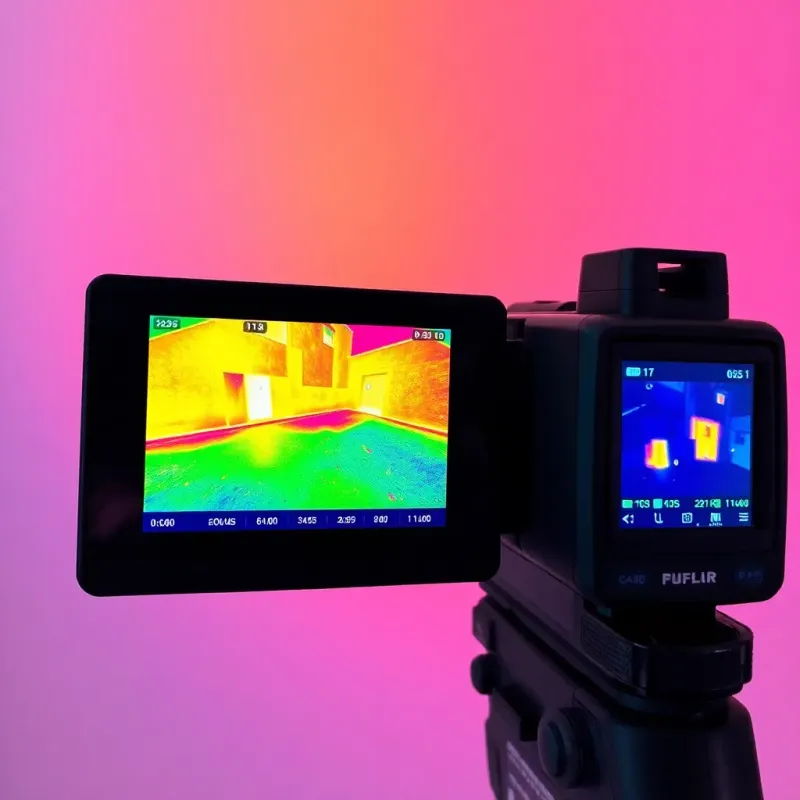 “Professional moisture detection equipment revealing hidden water penetration in wall cavities and structural components”
Real-World Consequences of Poor DIY Water Restoration
Understanding actual outcomes of inadequate DIY restoration underscores professional service value:
One lesson I’ve learned helping homeowners is that the jobs that look “easy enough to DIY” are often the ones that cause the most expensive long-term problems, because surface drying can look complete while hidden moisture behind walls and under flooring silently creates ideal conditions for mold.
Case Study 1: Hidden Wall Moisture Homeowner dried visible water in 5 days using consumer dehumidifiers. Moisture remaining in walls went undetected. Six months later, visible mold growth appeared. Professional mold remediation cost $8,000 versus initial $2,000 DIY attempt.
Case Study 2: Insurance Claim Denial After DIY restoration, mold developed three months later. Homeowner filed insurance claim, but insurer denied it based on inadequate initial drying and mitigation efforts. Professional restoration would have provided documentation supporting the claim.
Case Study 3: Structural Damage DIY drying failed to remove moisture from subflooring and structural components. Two years later, wood rot and settling required $25,000 foundation repairs. Professional initial response would have cost $8,000.
Getting Professional Quotes and Evaluations
If you decide professional services are warranted, obtaining multiple quotes helps find the best value:
What to Request:
- Free on-site inspection and assessment
- Written estimate with itemized services
- Equipment lists and timeline
- References from recent similar projects
- Insurance claim assistance services
- Warranty details and duration
Questions to Ask:
- What equipment will you use?
- How long will drying take?
- What post-remediation testing is included?
- How will you handle insurance documentation?
- What warranty do you provide?
- What certifications does your company hold?
Red Flags to Avoid:
- Unwillingness to provide written estimates
- High-pressure sales tactics
- Refusal to discuss timeline or methods
- No insurance or bonding
- No references available
- Prices significantly lower than competitors
Prevention: The Best ROI
Preventing water damage eliminates both DIY and professional restoration needs:
High-Impact Prevention Measures:
- Install water detection sensors ($30-$100 each)
- Maintain gutters and downspouts
- Grade soil away from foundation
- Install sump pumps with battery backup
- Inspect roof annually
- Maintain HVAC condensation drainage
- Winterize pipes in cold climates
- Install check valves in sewer lines
Prevention costs $500-$3,000 but prevents $10,000-$50,000+ restoration expenses.
FAQ
Q: Is it ever okay to DIY water damage restoration? A: Yes, DIY is appropriate for very small, contained water spills from clean sources where water is quickly removed. However, any damage affecting structural materials or covering significant areas should be professionally handled.
Q: Will insurance cover DIY restoration mistakes? A: Generally, insurance companies expect reasonable mitigation efforts. If DIY approach leads to mold or additional damage, insurers may deny subsequent claims based on inadequate initial response.
Q: How long should water damage drying take? A: Professional drying typically requires 7-14 days for adequate moisture removal. Consumer-level DIY drying often takes 2-3 weeks or longer and may not completely dry hidden areas.
Q: Can professionals really find moisture I can’t see? A: Yes, professional moisture detection equipment (thermal imaging, moisture meters) identifies moisture in walls, under flooring, and inside structural components invisible to the eye. This is crucial for preventing future mold and structural damage.
Q: Should I attempt cleanup while waiting for professionals? A: You can safely remove obvious water using wet/dry vacuums and begin moving valuables to drier areas. However, avoid disturbing structural materials or areas potentially contaminated with sewage or floodwater until professionals assess safety.
Conclusion
The decision between DIY and professional water damage restoration depends on damage severity, your skills and resources, insurance coverage, and risk tolerance. While DIY works for minor spills in controlled situations, professional restoration provides comprehensive expertise, specialized equipment, and insurance protection that typically justifies the investment for anything beyond smallest damage.
The true cost comparison must include not just initial expenses but also risks of incomplete restoration, mold development, structural damage, insurance complications, and property value impact. In most cases, professional restoration proves more economical when considering total cost of ownership and long-term property protection.
For significant water damage, consulting with professionals even if you’re uncertain provides valuable perspective. Most offer free assessments and detailed estimates, helping you make informed decisions specific to your situation. Quick, professional response protects your home, health, and investment in ways DIY efforts cannot match.
Disclaimer: This article is for informational purposes only and does not constitute professional advice. Every water damage situation is unique. Always consult a licensed contractor or restoration professional for your specific situation. If you’re dealing with an emergency, contact your local restoration company immediately.