Introduction
Basement flooding is a homeowner’s nightmare. Beyond the immediate water damage, basement floods cause structural damage, mold growth, electrical hazards, and can cost $25,000-$100,000+ to repair properly. The devastating part? Most basement flooding is entirely preventable through proper drainage, maintenance, and protective systems.
This comprehensive guide presents eight proven methods used by professional water damage prevention specialists to keep basements dry. Implement these strategies, and you’ll eliminate or dramatically reduce flooding risk regardless of your area’s rainfall or groundwater conditions.
Key Takeaway: The most cost-effective basement flood prevention starts from the outside in—fixing gutters, extending downspouts at least 10 feet from the foundation, and correcting grading eliminates the majority of basement water problems before you need to invest in interior systems.
Understanding Basement Flooding Causes
Why Basements Flood
Basements flood when water has nowhere to go. Water reaches your foundation through:
Surface water (most common cause):
- Heavy rainfall overwhelming drainage systems
- Poor grading directing water toward foundation
- Clogged gutters overflowing near foundation
- Downspouts terminating too close to house
- Landscaping features creating water channels toward house
Groundwater intrusion:
- High water table (particularly in spring/wet seasons)
- Hydrostatic pressure forcing water through foundation
- Foundation cracks and penetrations
- Inadequate foundation sealing
- Poorly installed or deteriorated waterproofing
Plumbing failures:
- Burst pipes or connections leaking directly into basement
- Water heater failures
- Sump pump failures leaving water backup
- Washing machine drain issues
- HVAC condensation drains
External water sources:
- Neighbor’s drainage issues affecting your property
- Improper municipal drainage design
- Inadequate storm sewer capacity
- Climate change intensifying rainfall events
Method 1: Install and Maintain a Sump Pump System
Understanding Sump Pump Basics
A sump pump is your basement’s primary defense against groundwater intrusion. It collects water in a sump pit and pumps it away from your foundation.
How sump pumps work:
- Water collects in a sump pit (usually 2-3 feet deep)
- As water level rises, a float switch activates
- Motor engages pump impeller
- Water is forced through discharge pipe
- Water is expelled away from foundation (minimum 10 feet)
- Float switch deactivates when water level drops
- System remains ready for next activation
Choosing the Right Sump Pump
Pump type selection:
Pedestal sump pumps:
- Motor positioned above pit (above potential flooding)
- Less expensive ($100-$300)
- Easier to service and repair
- Less suitable for high-water conditions
- Space consuming
Submersible sump pumps:
- Entire pump submerged in water
- More expensive ($300-$600)
- Better for high-volume pumping
- Longer lifespan despite submersion
- Less space required
- Quieter operation
Choosing correct size:
- Capacity measured in gallons per hour (GPH)
- Calculate volume of water entering pit during storm
- Oversizing prevents excessive on/off cycling
- Typical residential pumps: 2,500-5,000 GPH
- High-water situations: 7,500+ GPH
Professional Installation Recommendations
Proper sump pit construction:
- Pit diameter: 18-36 inches minimum
- Depth below basement floor: 2-3 feet
- Prevent clogging with drain rock and perforated risers
- Seal surrounding soil to prevent bypass
- Locate away from foundation wall
Discharge line setup:
- Pipe sized appropriately for pump volume
- Slope downward away from house
- Minimum 10-foot distance from foundation
- Never discharge into neighbor’s yard
- Above-ground termination at least 4 feet from foundation
- Consider subsurface termination if above-ground not viable
- Install check valve to prevent backflow
Electrical considerations:
- GFCI outlet for safety
- Dedicated outlet if possible (shared circuits cause nuisance tripping)
- Backup power source (critical for reliability)
- Avoid extension cords; hard-wire if needed
Backup Systems and Reliability
Backup power options:
Battery backup systems ($300-$800):
- Keeps pump operating during power outages
- Provides 24-48 hours of operation
- Battery replacement every 4-7 years
- Essential in areas with frequent outages
Generator backup ($2,000-$5,000):
- Portable or permanently installed
- Provides unlimited runtime
- Requires fuel management
- More complex installation and maintenance
Second pump system ($300-$500):
- Second pump as true backup
- Only activates if primary fails
- Proven reliability for critical situations
- Affordable redundancy
Sump Pump Maintenance
Daily monitoring:
- Listen for normal operation sounds
- Note any unusual noises or changes
- Verify pump operates when water levels rise
- Test backup system monthly
Weekly checks:
- Inspect discharge pipe for blockages
- Verify water drains freely
- Check surrounding area for seepage
- Monitor basement humidity
Monthly maintenance:
- Test float switch operation manually
- Verify check valve opens/closes properly
- Clean pump intake strainer if accessible
- Check for debris in sump pit
Annual service:
- Professional sump pump inspection
- Pump test at full capacity
- Discharge line verification and cleaning
- Check valve replacement if worn
- Battery backup replacement if applicable
Method 2: Correct Grading Around Your Home
Understanding Grading Importance
Grading—the slope of ground surrounding your foundation—is crucial. Proper grading directs water away. Poor grading channels it toward your house.
Target grading slope:
- Minimum 5% slope (6 inches drop per 10 feet distance)
- Slope should extend 10 feet from foundation minimum
- Gentle slope is preferable to steep (promotes infiltration)
- Every inch matters when directing water
Assessing Current Grading
Simple evaluation:
- After rainfall, observe water flow direction
- Stand near foundation and look toward grade
- Grade should slope downward away from house
- Any low spots should be visible
- Water pooling near foundation indicates grading problems
Professional grading assessment:
- Grade survey by landscaper or contractor
- Laser level used to determine exact slopes
- Cost: $200-$500
- Provides precise elevation measurements
Correcting Grading Issues
Regrading solutions:
Soil addition (most common):
- Add fill soil sloping away from foundation
- Use compacted topsoil or engineered fill
- Cost: $500-$3,000 depending on scope
- Immediate results
- Maintenance required (soil settles over time)
Drainage channels:
- Install swales (shallow depressions) to direct water
- Rock-lined channels direct flow away
- Cost: $300-$1,500 depending on length
- Works with existing grading
Raised planting beds:
- Create berms (raised areas) directing water away
- Integrate with landscaping
- Cost: $400-$2,000
- Attractive while functional
Important considerations:
- Don’t create negative drainage toward neighbors
- Avoid burying original siding (promotes rot)
- Maintain 3-6 inch clearance between soil and siding
- Regrading is ongoing (soil settles and compacts)
Method 3: Install French Drains
French Drain Fundamentals
French drains (also called subsurface drains) collect water below ground and channel it away from your foundation before it becomes a problem.
How they work:
- Perforated PVC pipe installed below ground
- Pipe surrounded by gravel allowing water infiltration
- Water collected and gravity-fed away from foundation
- Discharge pipe routes water 10+ feet from house
- System continuously drains subsurface moisture
French drain benefits:
- Addresses groundwater before it reaches basement
- Invisible solution (underground)
- Works in conjunction with sump pumps
- Particularly effective for high water tables
- Long lifespan (20-30 years)
Installation Considerations
Perimeter drain (around entire foundation):
- Trench dug around foundation perimeter
- 12-24 inches deep (below frost line)
- 12-18 inches wide
- Perforated PVC pipe placed in trench
- Surrounded with drain rock (not dirt)
- Careful compaction prevents settling
Cost expectations:
- Linear foot pricing: $10-$25 per foot
- Complete perimeter: $2,000-$8,000 depending on house size
- Professional installation essential for proper function
- DIY installation possible but challenging
Discharge options:
Daylight discharge:
- Pipe surfaces above ground 10+ feet from foundation
- Allows visual monitoring
- Cost: $500-$1,500
- Best option when feasible
Subsurface discharge:
- Pipe stays underground entire length
- Requires proper sizing to prevent backup
- Discharge to daylight 30+ feet away if possible
- Cost: $1,000-$2,500
Dry well:
- Underground pit at discharge point
- Allows water infiltration to soil
- Use only if no other option available
- May fail in high water table situations
Maintenance and Monitoring
Annual inspection:
- Verify discharge pipe clear and flowing
- Check for standing water indicating clogged drain
- Monitor landscape for excessive settling
- Inspect exposed portions for damage
Seasonal consideration:
- French drains work best preventing water intrusion
- During extreme rainfall, water may overwhelm drain
- Pair with sump pump for complete protection
- Monitor performance during heavy rain
Method 4: Install Waterproofing Systems
Interior vs. Exterior Waterproofing
Interior waterproofing:
- Applied inside basement
- Less expensive ($2,000-$6,000)
- Doesn’t prevent water from entering foundation
- Manages water once inside
- Better for minor seepage issues
- Includes interior drains, sump pump integration
Exterior waterproofing:
- Applied outside foundation wall
- More expensive ($5,000-$15,000)
- Prevents water from penetrating wall
- More effective long-term solution
- Requires excavation (disruptive)
- Preferred when foundation can be accessed
Interior Waterproofing Methods
Interior drain system:
- Perimeter drain inside basement floor
- Channel collects water and directs to sump pump
- Cost: $2,000-$5,000
- Effective for slow seepage
- Basement still remains somewhat damp
Interior sealant application:
- Penetrating sealers applied to walls
- Reduces (but doesn’t eliminate) seepage
- Cost: $500-$1,500
- Short lifespan (5-10 years)
- Monthly reapplication of products available
Moisture barriers:
- Vapor barriers on walls reduce humidity
- Doesn’t stop active water intrusion
- Helps with condensation issues
- Cost: $300-$800
Exterior Waterproofing Methods
Foundation excavation and sealing:
- Walls excavated to footings
- Exterior surface sealed or coated
- Perimeter drain installed if not present
- Cost: $5,000-$15,000
- Most permanent solution
- Requires significant disruption
Injection grouting:
- Pressurized grout fills foundation cracks
- Seals openings from outside
- Cost: $300-$1,500 depending on crack severity
- Non-invasive relative to excavation
- Good for addressing specific problem areas
Waterproof coatings:
- Applied to exterior foundation wall
- Prevents water penetration
- Cost: $1,500-$4,000 for complete coverage
- Lasts 10-15 years
- Requires wall access and dry conditions
Method 5: Maintain Gutters and Downspouts
Gutter System Assessment
Gutters direct roof runoff away from your foundation. Failure here channels water directly toward basement problems.
Proper gutter function:
- Capture water from roof surface
- Channel water through gutter to downspout
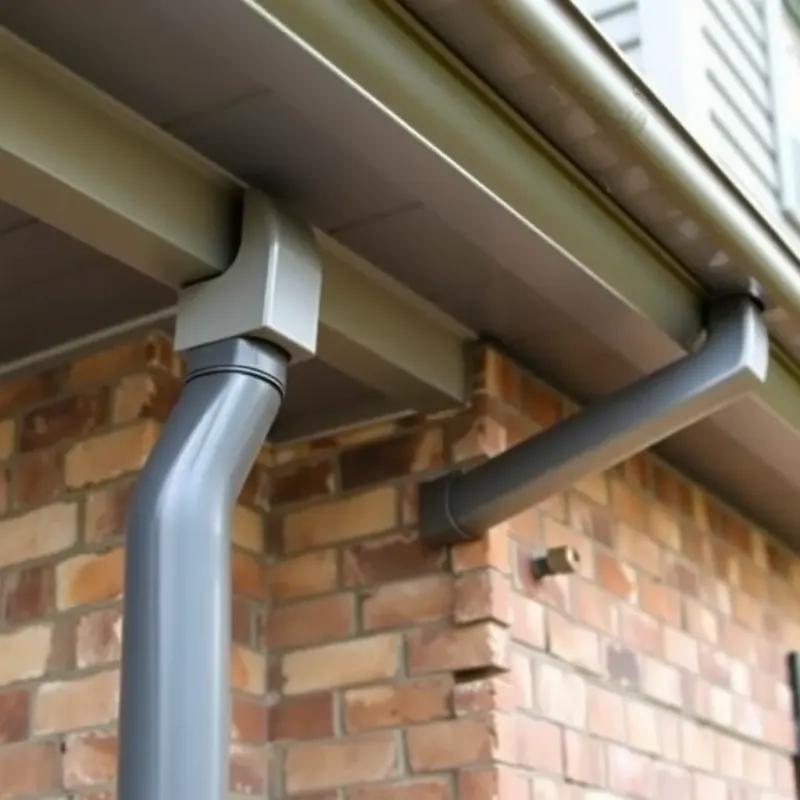
- Downspout directs water minimum 10 feet from foundation
- Water must be able to drain freely
Common Gutter Problems
Clogging:
- Leaves and debris block water flow
- Results in water overflow near foundation
- Most common gutter issue
- Prevention: Cleaning 2-4 times yearly
Separation from fascia:
- Weight of debris causes sagging
- Gutter pulls away from house
- Water redirects under fascia
- Causes soffit and wall water damage
Improper slope:
- Gutters must slope slightly toward downspouts
- Level gutters trap water causing rust and damage
- Standing water supports mold growth
- Sagging gutters develop low spots
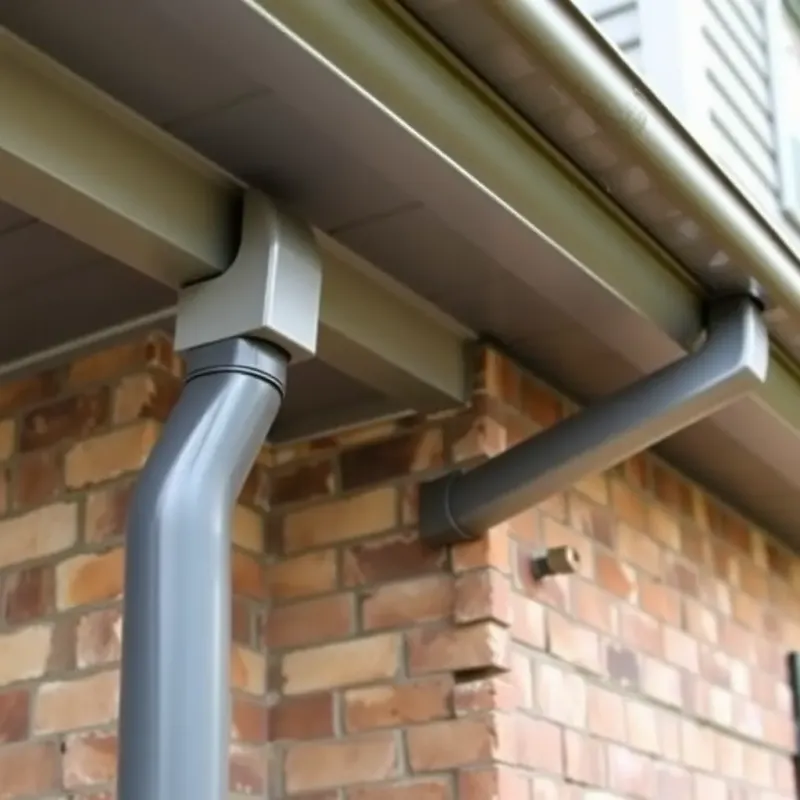
Downspout termination issues:
- Downspouts terminating too close to foundation
- Water directed into ground instead of away
- Water seeping into foundation
- Most common cause of basement water problems
After dealing with this issue hundreds of times, I can tell you that in roughly 60-70% of the basement flooding cases I have seen, the root cause was simply downspouts dumping water right at the foundation. Before spending thousands on interior drainage or waterproofing, extend those downspouts and watch what happens after the next heavy rain.
Correcting Gutter Issues
Cleaning and maintenance:
- Clean gutters 4 times yearly (spring, summer, fall, winter)
- Cost for professional cleaning: $150-$400
- DIY cleaning with ladder safety precautions
- Consider gutter guards to reduce cleaning frequency
Downspout extension installation:
- Extend downspouts minimum 10 feet from foundation
- Use underground downspout extensions if visible extensions not desired
- Cost: $200-$800 for complete system
- Critical to preventing basement water problems
- Often overlooked but extremely effective
Gutter repair and replacement:
- Repair separated gutters immediately
- Replace rusted or damaged sections
- Cost for repair: $200-$500
- Cost for replacement: $1,000-$3,000
- Metal gutters last 20-30 years
- Vinyl gutters last 20-40 years
Gutter guards:
- Reduce debris accumulation
- Don’t completely eliminate need for cleaning
- Cost: $500-$1,500 for complete installation
- Some types more effective than others
- Consider during gutter replacement
Method 6: Install Backwater Valves
Understanding Backwater Valves
Backwater valves (or check valves) prevent sewage and stormwater from backing up into your basement through plumbing drains.
How they work:
- Water flows freely out of house in normal conditions
- When municipal sewers back up, check valve closes
- Prevents contaminated water from entering basement
- Allows normal drainage when pressure normalizes
When needed:
- Homes in areas with combined sewer systems
- Properties where sanitary and storm drains merge
- Homes below street level (common in urban areas)
- Recent flooding via drains
Installation and Requirements
Professional installation mandatory:
- Requires sewer line access and excavation
- Often done during new construction
- Retrofitting costs: $1,000-$2,500
- Permits required
- Licensed plumber installation recommended
Maintenance considerations:
- Annual inspection to verify function
- Keep clean to prevent sticking
- Test operation before heavy rain season
- Professional service: $150-$300 annually
Limitations:
- Doesn’t prevent groundwater seepage
- Only addresses sewage backup
- Won’t help if water intrusion comes from other sources
- Often paired with sump pump and other drainage methods
Method 7: Ensure Proper Foundation Grounding
Understanding Foundation Drainage
The foundation itself must allow water to drain. Water trapped in or around foundation wall causes damage.
Proper foundation design:
- Foundation sits on compacted gravel (4-6 inches)
- Gravel allows water to drain beneath
- Foundation interior includes floor drain or perimeter drain
- Weeping systems or drain tile surrounds foundation
Common foundation problems:
- Soil compacted directly against foundation
- Prevents drainage and traps water
- Causes moisture in basement and wall damage
- Corrected through proper grading and drains
Improvement Strategies
Foundation perimeter improvement:
- Remove soil against foundation
- Install proper gravel base
- Install perimeter drain if not present
- Regrade properly
- Cost: $1,000-$4,000 depending on scope
Subsurface modification:
- Install internal footer drain
- Collects water and directs to sump pump
- Cost: $2,000-$5,000
- Most effective when combined with sump pump
Method 8: Create Emergency Preparedness Plan
Before Flooding Occurs
Preparation steps:
- Identify critical systems (electrical panel, water shutoff, furnace, water heater)
- Know location of main water shut-off valve
- Keep phone numbers for emergency restoration services
- Ensure adequate flood insurance coverage
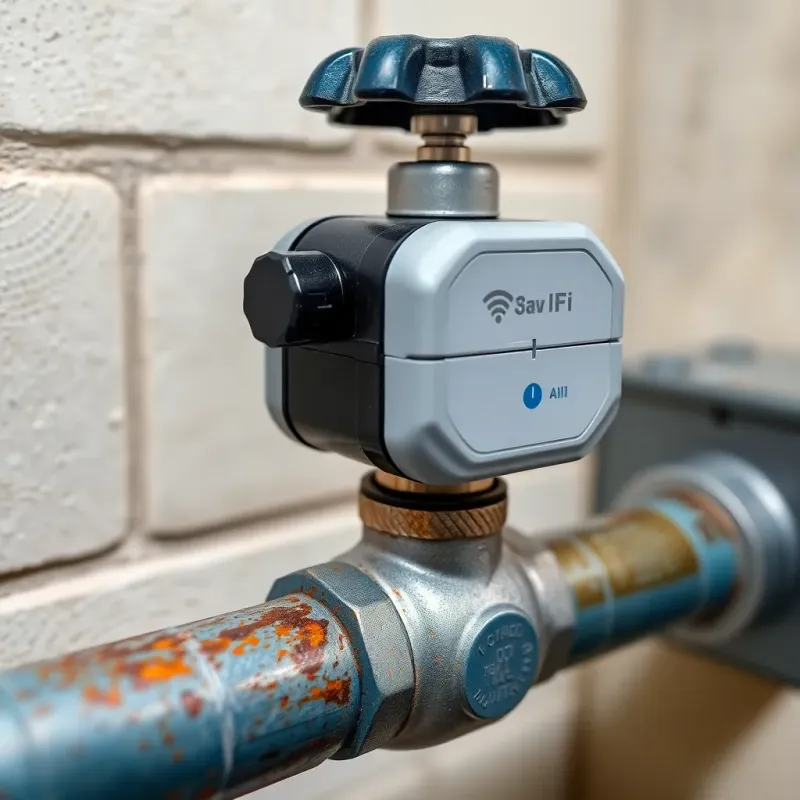
- Install water detection sensors in vulnerable areas
- Maintain sump pump and backup systems
Equipment readiness:
- Keep backup generator fueled and ready
- Stock heavy-duty pumps and buckets
- Maintain dehumidifiers and fans
- Have emergency contact list prepared
- Keep photos of home contents for insurance
- Document current conditions
Sump pump redundancy:
- Install backup pump system
- Keep backup power source ready
- Test systems monthly
- Maintain emergency contact list for pump failure
During and After Flooding
Immediate response:
- Shut off electrical systems to flooded areas (prevent shock)
- Call water damage restoration immediately — follow our emergency water damage checklist
- Begin documenting damage with photos/video
- Contact insurance company promptly
- Stop using water until safe (potential contamination)
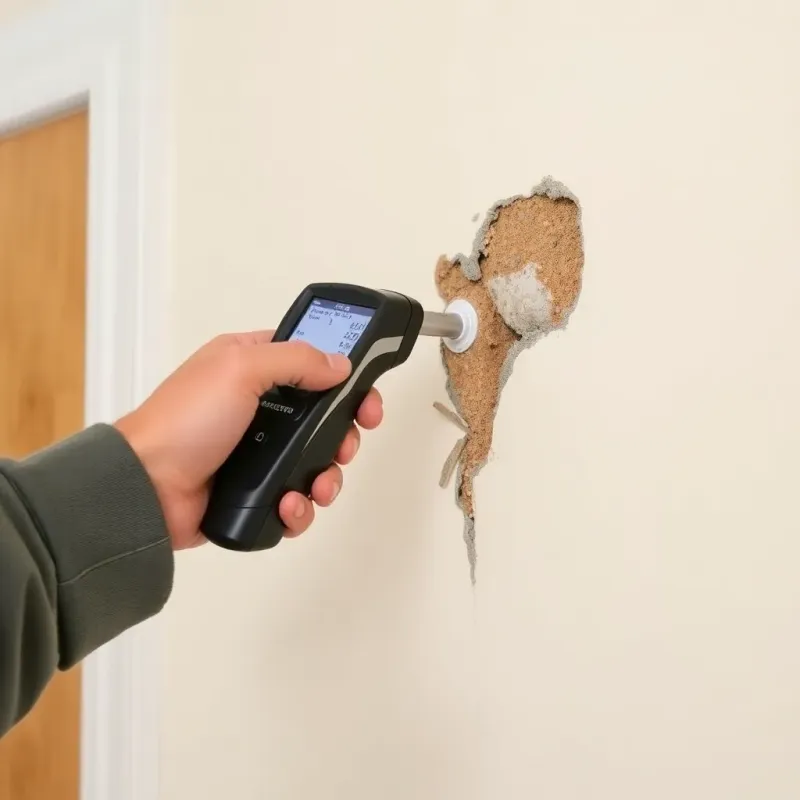
- Monitor air quality for mold growth
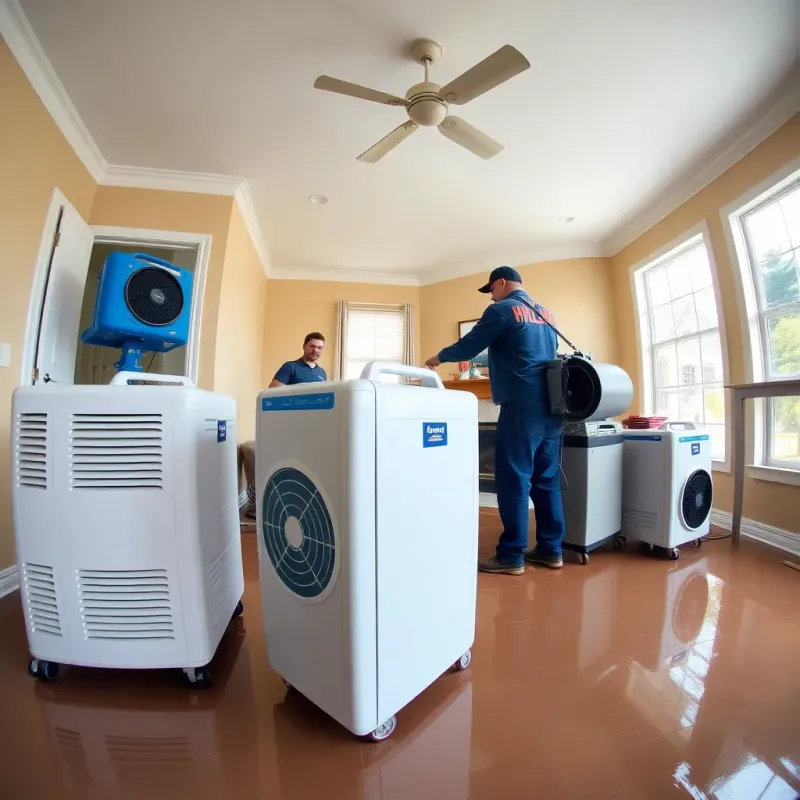
Professional restoration:
- Water extraction within 24 hours
- Structural drying prevents permanent damage
- Mold remediation addresses contamination
- Cost: $5,000-$50,000+ depending on severity
- Insurance often covers water damage (check policy)
FAQ: Basement Flood Prevention
Q: Is a sump pump alone enough to prevent basement flooding? A: Sump pumps alone help but aren’t complete protection. They handle groundwater but don’t prevent water from entering walls. Combine with proper grading, gutters, and French drains for comprehensive protection.
Q: How do I know if my basement has a high water table? A: Signs include wet basements even without heavy rain, standing water in gutters or low areas, efflorescence (white mineral deposits) on basement walls, and musty odors. Professional assessment can determine exact water table depth.
Q: What’s the most cost-effective way to prevent basement flooding? A: Fixing gutters and downspouts (extending them 10+ feet from foundation) often provides the best return on investment. Combined with sump pump installation and proper grading, these methods address most basement flooding causes at reasonable cost.
Q: How often should I have my sump pump serviced? A: Annual professional inspection is recommended. Monthly testing and visual inspection for debris and proper operation. More frequent checks during wet seasons when pump runs frequently.
Q: Can I use my basement as finished living space if I’m concerned about flooding? A: Basements can be finished but should include protective measures. Use water-resistant materials, elevate finishes above likely flood level, install proper drainage systems, and purchase flood insurance. Never finish basements without addressing water problems first.
Q: What’s the difference between hydrostatic pressure and seepage? A: Seepage is slow water entry through cracks or porous foundation. Hydrostatic pressure is lateral force from surrounding water pushing against foundation. Pressure is more serious and requires external waterproofing and drainage solutions.
Conclusion
Basement flooding is largely preventable through a combination of proper drainage, maintenance, and protective systems. The eight methods outlined—sump pump installation, proper grading, French drains, waterproofing, gutter maintenance, backwater valves, foundation grounding, and emergency preparedness—work together to provide comprehensive protection.
Start with the most cost-effective measures (gutter extension and grading correction), then add sump pump systems and French drains. For basements with persistent moisture or history of flooding, professional assessment and exterior waterproofing provide the most complete protection.
Invest in prevention today, and you’ll avoid the catastrophic costs of basement flooding tomorrow. The money spent on preventative systems is a fraction of the cost of water damage restoration and the misery that flood-damaged basements cause.
Disclaimer: This article is for informational purposes only and does not constitute professional advice. Every water damage situation is unique. Always consult a licensed contractor or restoration professional for your specific situation. If you’re dealing with an emergency, contact your local restoration company immediately.