Introduction
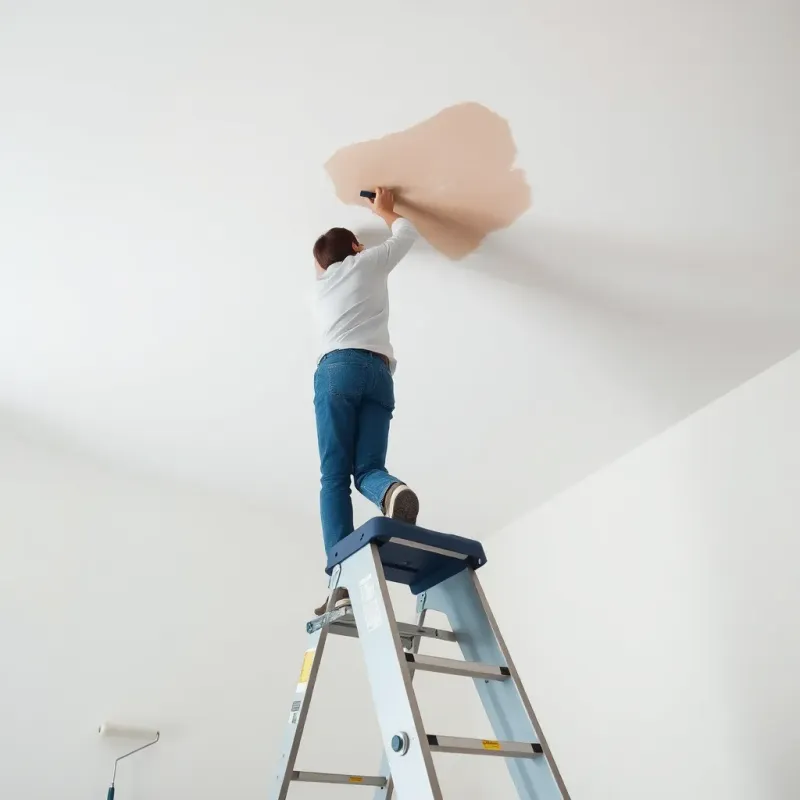
Water stains on ceilings are one of the most visible reminders of past water damage problems. Even after the structural damage from water intrusion has been resolved, these unsightly stains remain as permanent-looking reminders. Many homeowners assume ceiling repainting is the only solution to water stains, but several effective methods can remove or significantly reduce water stains without the expense and effort of full ceiling repainting.
Understanding the different types of ceiling stains, trying targeted removal strategies, and knowing when repainting becomes necessary helps you restore your ceiling’s appearance cost-effectively. This guide explores all your options for achieving a clean, stain-free ceiling.
Key Takeaway: Many ceiling water stains can be removed for under $25 using household products like bleach, vinegar, or hydrogen peroxide — but always fix the underlying water source first, or the stain will inevitably return.
Understanding Ceiling Water Stains
What Causes Ceiling Water Stains?
Water stains develop through several mechanisms:
Mineral Deposits
- Water contains dissolved minerals (calcium, magnesium)
- As water dries, minerals remain behind
- Creates yellowish or brownish stains
- Often appears as rings or halos
Mold and Mildew Discoloration
- Fungal growth causes dark staining
- Often accompanied by musty odors
- Indicates ongoing moisture problem
- Requires different treatment than mineral stains
Rust Staining
- Iron particles in water oxidize and stain
- Creates orange or brown discoloration
- Common in older homes with iron-rich water
- Difficult to remove completely
Tannin Bleeding
- Wood stains leach into ceiling material
- Creates brown or yellow discoloration
- Common from attic rafters or wood framing
- Often reappears after treatment
Smoke and Soot Staining
- Smoke damage creates gray-brown staining
- Often accompanies water damage from fire
- May require specialized cleaning
Ceiling Material Considerations
Different ceiling materials respond differently to stain removal:
Popcorn/Acoustic Ceilings
- Porous material absorbs stains deeply
- Difficult to clean without damage
- Stain removal often unsuccessful
- May require replacement sections
- Gentler cleaning methods necessary
Smooth Drywall Ceilings
- More receptive to stain removal treatments
- Hard surface easier to clean
- Paints and primers work effectively
- Best candidates for stain removal without repainting
Textured Ceilings
- Medium difficulty for cleaning
- Texture traps stain particles
- Requires careful handling to avoid damage
- Some success possible with treatments
Plaster Ceilings
- Porous material absorption issues
- Historic homes often have plaster
- May require specialized treatments
- Delicate surface requires gentle methods
DIY Methods to Remove Water Stains
Method 1: Bleach Solution (For Mold/Mildew)
Bleach effectively kills mold causing dark stains:
Materials Needed:
- Household bleach
- Water
- Spray bottle
- Rags or sponges
- Protective gloves and eye protection
- Ensure proper ventilation
Application Process:
- Mix solution - Combine 1 part bleach with 3 parts water (adjust ratio if needed)
- Test first - Apply to inconspicuous area to ensure no damage
- Spray affected area - Apply solution liberally to stained section
- Let sit - Allow 10-15 minutes for bleach to work
- Scrub gently - Use soft brush or sponge, don’t scrub aggressively
- Rinse thoroughly - Remove all bleach residue
- Dry completely - Use fans to dry area quickly
Cautions:
- Bleach can discolor certain ceiling materials
- Never mix bleach with ammonia or other chemicals
- Ensure adequate ventilation
- Wear protective equipment
- Test on inconspicuous area first
Effectiveness:
- Excellent for mold/mildew staining
- Often successful for dark-colored stains
- Less effective on mineral stains
- Results visible within days
Method 2: Vinegar Solution (For Mineral Deposits)
White vinegar dissolves mineral deposits:
Materials Needed:
- White vinegar
- Water
- Spray bottle
- Rags or sponges
- Protective gloves
Application Process:
- Mix solution - Equal parts white vinegar and water
- Spray affected area - Apply liberally
- Let sit - Allow 15-20 minutes
- Scrub gently - Use soft-bristled brush
- Repeat if needed - Multiple applications for stubborn stains
- Rinse thoroughly - Remove all vinegar solution
- Dry area - Allow complete drying
Advantages:
- Non-toxic and safe
- Effective on mineral stains
- No harsh chemicals
- Economical
Limitations:
- Vinegar smell during application
- Slower acting than bleach
- May require multiple applications
- Less effective on organic stains
Method 3: Hydrogen Peroxide Treatment
Hydrogen peroxide works on various stain types:
Materials Needed:
- 3% hydrogen peroxide
- Spray bottle
- Soft brushes or sponges
- Clean cloths
- Protective gloves optional
Application Process:
- Spray peroxide solution - Apply to stained area
- Wait - Allow 5-10 minutes
- Gently wipe - Use soft cloth or sponge
- Repeat - Multiple applications for stubborn stains
- Rinse thoroughly - Remove all residue
- Dry - Allow complete drying
Benefits:
- Gentle on ceiling materials
- Works on multiple stain types
- Non-toxic and safe
- Readily available
Considerations:
- Milder solution, slower results
- May require patience and multiple applications
- Still requires full drying time
Method 4: Dry Cleaning Methods
Some stains respond to dry cleaning without water:
Magic Erasers
- Melamine foam that acts as mild abrasive
- Can remove light stains effectively
- Must use gently to avoid surface damage
- Test on hidden area first
- Works well on smooth ceilings
Dry Brushing
- Soft-bristled brush to gently remove surface stains
- Non-water method
- Best for light surface dust/stains
- Won’t remove embedded stains
- Safest for delicate ceiling materials
Dry Erasers/Pencil Eraser
- Gentle abrasive action
- Can remove light stains
- Very mild approach
- Time-consuming for large areas
- Safe for most materials
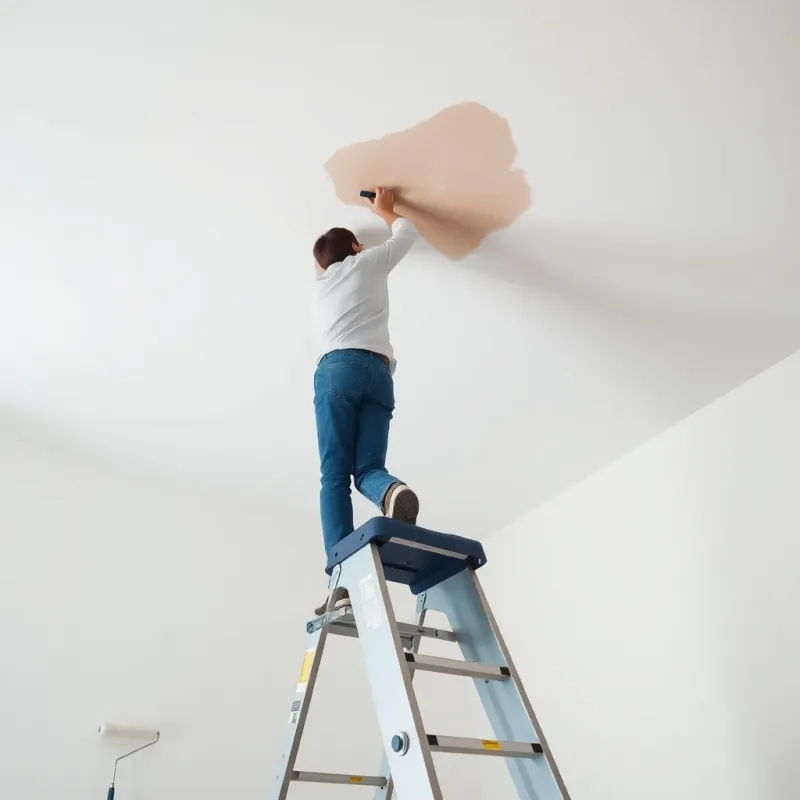
Commercial Stain Removal Products
Ceiling Stain Primers and Sealers
Specialized products designed for water stains:
From my years in the field, I always recommend starting with the gentlest method first and working up. Many homeowners jump straight to stain-blocking primer when a simple vinegar solution would have done the job — and once you apply primer, you are committed to painting that area.
Kilz Original Primer
- Designed specifically for stain blocking
- Covers water stains effectively
- Must sand lightly before application
- Single coat usually sufficient
- Prevents stain bleed-through
- Cost: $15-25 per gallon
Bin Shellac-Based Primer
- Excellent stain blocking capability
- Quick-drying formula
- Strong odor (VOC product)
- Very effective on tough stains
- Requires ventilation
- Cost: $15-30 per gallon
Zinsser DryDex
- Latex-based stain blocker
- Low odor
- Dries quickly
- Good for moderately severe stains
- Can be painted over with regular paint
- Cost: $12-20 per gallon
Rust-Oleum Rust Preventative Paint
- Specifically formulated for rust stains
- Protects against re-staining
- Metallic finish can hide some staining
- Professional appearance
- Cost: $10-18 per spray can
Stain Removal Cleaning Products
Commercial cleaning solutions designed for stain removal:
OxiClean
- Oxygen-based cleaner
- Non-toxic option
- Works on organic stains effectively
- Mix with water per instructions
- Gentle on ceiling materials
- Cost: $5-10 per container
Zep Mold and Mildew Stain Remover
- Professional-strength formula
- Targets mold-related discoloration
- Requires dilution
- Effective results
- Cost: $10-15 per bottle
ACT Mold and Mildew Remover
- Environmentally friendly option
- Addresses mold-caused stains
- Preventative properties
- Pleasant scent
- Cost: $12-18 per bottle
Professional Stain Removal Techniques
When DIY methods don’t achieve desired results, professionals employ specialized techniques:
Spray Application of Stain Blockers
Professional spray equipment applies primers more evenly than brush application:
- Creates uniform coverage
- Reaches difficult areas
- Professional appearance
- More efficient product use
- Superior adhesion
- Cost typically $200-500 per room
Popcorn Ceiling Replacement
For severely stained popcorn ceilings:
- Remove stained sections
- Replace with new material
- Matches existing texture
- Complete stain elimination
- Cost: $500-2,000 per room depending on size
Ceiling Cleaning Services
Professional cleaners use specialized equipment:
- High-pressure safe cleaning systems
- Enzymatic cleaners for organic stains
- Steam cleaning options
- Gentle on delicate materials
- Cost: $300-800 per room
When Repainting Becomes Necessary
Repainting is the Better Option When:
Extensive or Permanent Staining
- Stain removal attempts unsuccessful
- Multiple stains across ceiling
- Deep embedded staining
- Cosmetic improvement limited
Mold Growth Indication
- Visible active mold
- Recurring stains after removal
- Health concerns from mold
- Indicates ongoing moisture problem
Ceiling Material Damage
- Stains accompanied by texture loss
- Paint peeling or deteriorating
- Water damage obvious
- Structural concerns
Aesthetic Preference
- Complete color refresh desired
- Updating ceiling appearance
- Matching with other room updates
- Professional finish preferred
Repainting Process
When painting becomes necessary:
Preparation:
- Identify and fix water source
- Ensure ceiling is completely dry
- Scrape off any loose paint or texture
- Fill holes or damaged areas
- Sand smooth if needed
Prime:
- Apply stain-blocking primer
- Two coats for thorough coverage
- Allows drying between coats
- Prevents future stain bleed-through
Paint:
- Apply quality ceiling paint
- Two coats for coverage
- Use roller with extension pole
- Choose finish: flat, matte, eggshell, or satin
Cost Considerations:
- Materials: $50-150
- Professional painting: $500-2,000+ per room
- DIY effort: significant time investment
Preventing Future Water Stains
Address Moisture Problems
The best prevention is eliminating water intrusion:
Roof Maintenance:
- Regular inspections for leaks
- Repair missing or damaged shingles
- Clean gutters and downspouts
- Ensure proper drainage
- Install gutter guards
- Address ice dam issues
Plumbing Prevention:
- Fix water supply leaks immediately
- Inspect pipes for corrosion
- Consider water line insurance
- Install shut-off valves
- Monitor water pressure
Bathroom and Kitchen:
- Install exhaust fans
- Run fans during and after showers
- Wipe spills immediately
- Ensure proper ventilation
- Reduce humidity levels
Humidity Control
Maintain proper indoor humidity levels:
- Install dehumidifiers in damp areas
- Run HVAC system properly
- Ensure attic ventilation
- Avoid overcrowding rooms
- Monitor humidity with humidity meter
Protective Coatings
Apply preventative finishes:
- Water-resistant primers in vulnerable areas
- Stain-blocking sealers on ceilings
- Waterproof treatments in high-risk areas
- Regular reapplication as needed
FAQ: Removing Ceiling Water Stains
Q: Can water stains be removed without painting? A: Yes, many water stains can be removed or significantly reduced using bleach, vinegar, hydrogen peroxide, or commercial stain removal products. However, deeply embedded or widespread stains may require primer application or full repainting.
Q: What’s the best product for removing water stains? A: The best product depends on stain type. For mold/mildew stains, use bleach solution. For mineral stains, white vinegar is effective. For comprehensive coverage and prevention of reappearance, stain-blocking primers like Kilz work best.
Q: Will water stains come back after removal? A: Stains may reappear if the underlying moisture problem isn’t addressed. Fix the water source first and follow our mold prevention guide after water damage. Applying stain-blocking primer after removal prevents recurrence.
Q: How much does it cost to remove ceiling water stains? A: DIY removal costs $5-25 in supplies. Professional stain blocking might cost $200-500 per room. Full repainting ranges from $500-2,000+ depending on room size and professional pricing.
Q: When should I repaint instead of trying stain removal? A: Repaint when stain removal attempts fail, the stain indicates ongoing moisture problems, or aesthetic goals require a complete refresh. Repainting also prevents future staining better than spot treatments.
Conclusion
Ceiling water stains don’t necessarily require expensive repainting. With the right approach and products, many stains can be removed or minimized through targeted treatment methods. The key is identifying the stain type, addressing the underlying moisture problem, and selecting appropriate removal techniques.
Start with gentler DIY methods like vinegar or hydrogen peroxide. Progress to commercial stain-blocking products if needed. Reserve full repainting for situations where removal doesn’t achieve desired results or ongoing moisture issues indicate recurrence risk.
Remember that water stains are visible symptoms of past water problems. Always identify and fix the underlying cause to prevent stain recurrence. Understanding your insurance coverage for water damage can help offset repair costs. With proper moisture control and prompt attention to leaks, you can maintain clean, stain-free ceilings throughout your home.
Disclaimer: This article is for informational purposes only and does not constitute professional advice. Every water damage situation is unique. Always consult a licensed contractor or restoration professional for your specific situation. If you’re dealing with an emergency, contact your local restoration company immediately.