Water Damage Repair Cost by Room: Kitchen, Bathroom, Basement
Water damage doesn’t affect all rooms equally. The cost to repair water damage in your kitchen could be double what it costs in your bedroom. This is because repair costs depend not just on the volume of water or damage area, but on the types of materials in each room, the complexity of repairs, and the presence of expensive systems like plumbing and appliances.
In this comprehensive guide, we’ll break down water damage repair costs by room, explore what makes certain rooms more expensive than others, and help you understand the factors that affect your specific situation. Whether you’re dealing with kitchen water damage from a burst dishwasher line or basement flooding, you’ll find realistic cost estimates for your room type. For a broader overview of total project expenses, see our complete water damage restoration cost guide.
Key Takeaway: Kitchen water damage is typically the most expensive to repair (up to $44,000+ for major incidents) due to costly appliances, cabinetry, and complex plumbing, while unfinished basements cost the least — knowing your room type helps you budget accurately and prioritize prevention where it matters most.
Kitchen Water Damage Repair Costs
Kitchen water damage is typically the most expensive room repair because kitchens contain multiple expensive systems and high-end finishes.
Common Kitchen Water Damage Sources
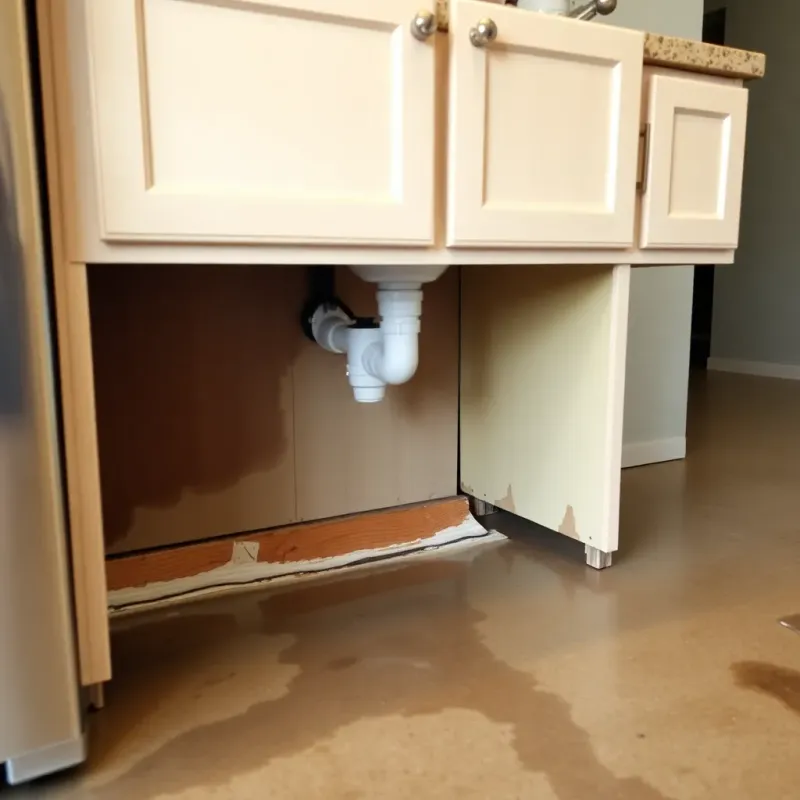
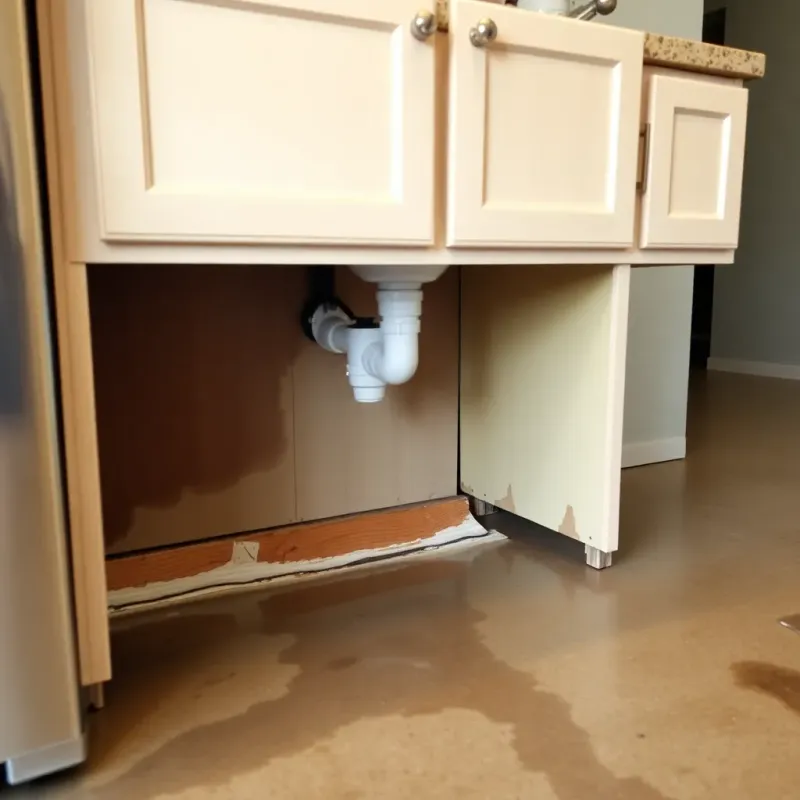
Under-sink water damage:
- Supply line burst from water heater or main line
- P-trap failure under sink
- Water heater failure nearby
- Dishwasher line burst
- Typical volume: 50-500 gallons
- Primary affected area: Cabinet, subfloor, walls
Dishwasher failure:
- Inlet hose burst (most common)
- Drain line rupture
- Dishwasher leak from seal failure
- Typical volume: 10-100 gallons initially; can be ongoing
- Primary affected area: Kitchen flooring, subfloor, adjacent cabinetry
Refrigerator water line:
- Ice maker line burst
- Water dispenser line failure
- Typical volume: 20-200 gallons (slower leak, may go unnoticed)
- Primary affected area: Flooring around appliance, subfloor damage
Roof or ceiling leak:
- Storm damage
- Ice dam water infiltration
- Typical volume: Depends on roof damage; can be extensive
- Primary affected area: Ceiling, upper cabinetry, insulation
Plumbing supply line failure:
- Hot water line burst behind walls
- Galvanized line corrosion and rupture
- Frozen supply line in unheated space above kitchen
- Typical volume: Significant, can affect walls and substructure
Kitchen Water Damage Repair Cost Breakdown
Scenario 1: Minor Under-Sink Water Damage
- Damage: Small leak under sink, affected area 3x4 feet
- Water extraction: $300-$500
- Drying and dehumidification: $400-$800
- Cabinet replacement/repair: $800-$1,500
- Flooring repair (small section): $400-$1,000
- Paint/finishing: $200-$400
- Total: $2,100-$4,200
Scenario 2: Moderate Dishwasher Water Damage
- Damage: Dishwasher inlet line burst, water affects flooring and partial subfloor
- Water extraction: $800-$1,500
- Drying (3-5 days): $1,000-$2,000
- Subfloor replacement (20 sq ft): $400-$1,000
- Flooring replacement (150 sq ft laminate): $2,000-$4,000
- Paint and trim: $400-$800
- Dishwasher replacement (if damaged): $600-$1,500
- Total: $5,200-$10,800
Scenario 3: Extensive Refrigerator Line Burst
- Damage: Slow leak went unnoticed for weeks; water damage under flooring
- Water extraction: $1,200-$2,000
- Extended drying (7+ days): $2,000-$3,500
- Subfloor replacement (40 sq ft): $800-$2,000
- Flooring replacement (200 sq ft, variety of materials): $3,000-$7,000
- Cabinet repair/replacement: $2,000-$4,000
- Mold remediation (if present): $3,000-$8,000
- Painting and finishing: $600-$1,200
- Total: $12,600-$27,700
Scenario 4: Major Supply Line Failure in Wall
- Damage: Hot water supply line burst behind kitchen wall; extensive water damage
- Water extraction: $2,000-$4,000
- Drying (extended, wall cavities): $2,500-$5,000
- Wall removal and replacement: $1,500-$3,000
- Subfloor replacement (extensive): $2,000-$4,000
- Flooring replacement (300+ sq ft): $4,000-$9,000
- Cabinet removal/replacement: $3,000-$6,000
- Plumbing repair: $600-$1,200
- Mold remediation: $4,000-$10,000
- Paint, trim, finishing: $1,000-$2,000
- Total: $20,600-$44,200
Cost Factors Specific to Kitchens
High-End Finishes Cost More:
- Granite countertops: $3,000-$10,000 to replace
- Custom cabinetry: $5,000-$15,000 to replace
- Hardwood flooring: $3,000-$8,000 to replace 200 sq ft — see our hardwood floor water damage repair cost guide
- Budget materials: Much less to replace but still significant
Appliance Damage:
- Dishwasher replacement: $600-$2,000
- Range/oven damage: $1,000-$5,000
- Refrigerator damage: $800-$3,000
- Microwave/hood replacement: $300-$1,500
Cabinetry Complexity:
- Base cabinets can be dried and salvaged
- If water reaches upper cabinets (from roof leak), entire cabinet row may need replacement
- Custom cabinet work is expensive
Hidden Water Intrusion:
- Kitchens have many hidden spaces (under cabinets, in walls, behind appliances)
- Water can travel to unexpected areas
- Extended drying and inspection is necessary
One lesson I’ve learned helping homeowners is that refrigerator water line leaks are the sneakiest and most expensive kitchen water damage source — they often go unnoticed for weeks behind the appliance, silently destroying subfloors and promoting mold growth long before any visible signs appear.
Bathroom Water Damage Repair Costs
Bathrooms typically have lower-cost finishes than kitchens, but water damage in bathrooms is common and can still be expensive, especially if it affects structural areas.
Common Bathroom Water Damage Sources
Shower or tub overflow/leak:
- Cracked tile allowing water behind walls
- Caulk failure causing water intrusion
- Drain line failure
- Typical volume: 50-500 gallons, often slow (water buildup)
- Primary affected area: Walls, subfloor, sometimes to floors below
Toilet overflow:
- Clogged toilet causes backup
- Supply line to toilet burst
- Wax ring failure causing seepage
- Typical volume: 20-100 gallons (often very fast spread)
- Primary affected area: Bathroom flooring, potentially adjacent rooms
Vanity sink and supply line:
- P-trap failure
- Supply line burst (hot or cold)
- Faucet connection failure
- Typical volume: 50-300 gallons (depends on how long leak goes undetected)
- Primary affected area: Vanity area, flooring, wall cavity
Water heater in bathroom:
- Tank rupture (if water heater is in bathroom)
- Relief valve failure
- Corrosion rupture
- Typical volume: Can be 40-100 gallons quickly
- Primary affected area: Bathroom flooring, potentially multiple rooms if in corner
Roof or ceiling leak:
- Similar to kitchen; water enters from above
- Causes ceiling damage and water drips down walls
- Typical volume: Depends on roof damage
- Primary affected area: Ceiling, upper walls, insulation
Bathroom Water Damage Repair Cost Breakdown
Scenario 1: Minor Sink Supply Line Leak
- Damage: Slow leak under vanity; water damage limited to cabinet area
- Water extraction: $200-$400
- Drying: $300-$600
- Vanity repair/replacement: $400-$1,200
- Flooring repair (small section, 10 sq ft vinyl): $200-$500
- Paint and caulking: $200-$400
- Total: $1,300-$3,100
Scenario 2: Moderate Shower Tile Failure
- Damage: Water penetrated behind shower tile; subfloor damage detected
- Water extraction: $500-$1,000
- Drying (including wall cavities): $800-$1,500
- Shower tile removal and replacement: $1,500-$3,500
- Subfloor repair/replacement (10-15 sq ft): $300-$800
- Flooring repair in bathroom: $400-$1,000
- Paint and finishing: $300-$600
- Total: $3,800-$8,400
Scenario 3: Toilet Overflow with Subfloor Damage
- Damage: Toilet clogged and overflowed; significant bathroom flooring damage
- Water extraction: $800-$1,500
- Drying (extended for concealed areas): $1,000-$2,000
- Flooring replacement (full bathroom, 60 sq ft vinyl): $1,500-$3,500
- Subfloor replacement (20-30 sq ft): $600-$1,500
- Paint, trim, caulking: $400-$800
- Potential mold remediation: $1,500-$3,000
- Total: $5,800-$12,300
Scenario 4: Water Heater Failure in Bathroom
- Damage: 60-gallon water heater rupture floods bathroom
- Water extraction: $1,500-$2,500
- Drying (extensive, multiple days): $1,500-$3,000
- Flooring replacement (full bathroom and hallway, 120 sq ft): $2,000-$5,000
- Subfloor replacement (extensive, 40-50 sq ft): $1,200-$3,000
- Paint, trim, caulking: $600-$1,200
- Potential wall damage remediation: $1,000-$3,000
- Mold prevention/remediation: $2,000-$5,000
- Water heater replacement: $1,200-$2,500
- Total: $10,000-$25,200
Cost Factors Specific to Bathrooms
Flooring Material Determines Cost:
- Vinyl flooring: $1,500-$3,500 for full bathroom replacement
- Ceramic tile: $2,000-$5,000 for full bathroom
- Natural stone: $3,000-$8,000 for full bathroom
- Hardwood (rare in bathrooms): $2,500-$6,000
Moisture Sensitivity:
- Bathrooms are high-moisture environments
- May require enhanced mold prevention
- Vapor barriers and ventilation improvements add cost
- May need industrial-grade dehumidification
Structural Concerns:
- Subfloor damage is critical (wood rot develops quickly)
- May require structural inspection
- Joist damage requires professional repair
- Structural repairs can exceed surface repairs
Ceiling Damage:
- If water comes from above, ceiling replacement needed
- Drywall ceiling: $300-$600
- Moisture-resistant ceiling materials: $400-$800
- Full ceiling replacement: $600-$1,500
Basement Water Damage Repair Costs
Basement water damage is different because basements are semi-conditioned spaces that are prone to moisture. Costs vary dramatically based on whether the basement is finished or unfinished.
Unfinished Basement Water Damage
Unfinished basements (concrete floor, exposed walls, utility area) have lower immediate repair costs but greater risks of structural damage.
Common Sources:
- Foundation crack allowing seepage
- Sump pump failure during heavy rain
- Burst supply line
- Sewage backup
- Typical volume: Highly variable, from a few gallons to hundreds
Cost Breakdown - Minor Seepage:
- Damage: Small amount of water, cleanup needed
- Water extraction: $300-$800
- Drying: $400-$1,000
- Cleanup/disinfection: $200-$500
- Foundation crack assessment: $150-$300
- Total: $1,050-$2,600
Cost Breakdown - Moderate Flooding:
- Damage: 50-200 gallons of water in basement
- Water extraction: $1,000-$2,500
- Drying (extended): $1,500-$3,000
- Damaged items removal: $300-$800
- Disinfection: $400-$1,000
- Foundation repair assessment: $200-$500
- Total: $3,400-$7,800
Cost Breakdown - Extensive Flooding:
- Damage: 500+ gallons of water, significant standing water
- Water extraction: $2,000-$5,000
- Drying (multiple days, industrial equipment): $2,500-$5,000
- Mold remediation (if present): $3,000-$8,000
- Structural assessment and repair: $1,000-$10,000+
- Damaged HVAC/electrical systems: $1,000-$5,000
- Total: $9,500-$33,000+
Finished Basement Water Damage
Finished basements (drywall, flooring, insulation, utilities) cost significantly more to repair due to materials and systems.
Common Sources:
- Same as unfinished, but damage affects finished elements
- Plumbing in walls fails
- HVAC condensation line backs up
- Water heater in basement ruptures
Cost Breakdown - Minor Water Damage:
- Damage: Small water intrusion, limited flooring/drywall damage
- Water extraction: $400-$1,000
- Drying: $800-$1,500
- Drywall repair/replacement (100 sq ft): $400-$1,000
- Flooring repair (small section): $300-$800
- Paint: $200-$500
- Total: $2,100-$4,800
Cost Breakdown - Moderate Finished Basement Damage:
- Damage: Water affects significant portion; flooring/drywall damaged
- Water extraction: $1,000-$2,000
- Drying (multiple days): $1,500-$3,000
- Drywall removal and replacement (200 sq ft): $800-$2,000
- Flooring replacement (300 sq ft): $2,000-$5,000
- Baseboard and trim replacement: $400-$1,000
- Paint and finishing: $400-$1,000
- Total: $6,100-$14,000
Cost Breakdown - Extensive Finished Basement Flooding:
- Damage: Entire basement affected; structural concerns possible
- Water extraction: $2,000-$4,000
- Drying (extended): $2,000-$4,000
- Complete drywall replacement (1,000+ sq ft): $2,000-$5,000
- Complete flooring replacement (1,000+ sq ft): $4,000-$10,000
- Mold remediation: $3,000-$8,000
- HVAC cleaning/replacement: $1,000-$5,000
- Insulation replacement: $500-$2,000
- Structural assessment/repair: $1,000-$10,000+
- Painting and finishing: $800-$2,000
- Total: $16,300-$50,000+
Cost Factors Specific to Basements
Structural Issues:
- Water damage can compromise foundation
- Mold growth is rapid in basements (high moisture)
- Extended drying necessary
- Professional inspection often required
Systems in Basement:
- HVAC equipment damage
- Electrical panel/box damage
- Water heater damage
- Utilities replacement adds thousands
Finished vs. Unfinished:
- Unfinished basement repair is 50-70% cheaper than finished
- Finished basements have expensive flooring and drywall
- Consider: should you finish after damage, or leave unfinished?
Humidity and Moisture Control:
- Basements need ongoing dehumidification
- Sump pump improvement/installation: $1,500-$4,000 — learn more about methods to prevent basement flooding
- Foundation sealing: $2,000-$5,000
- These improvements prevent future damage
Secondary Damage Risk:
- Mold develops quickly in basements
- Structural rot can occur in weeks
- Contents stored in basement may be ruined
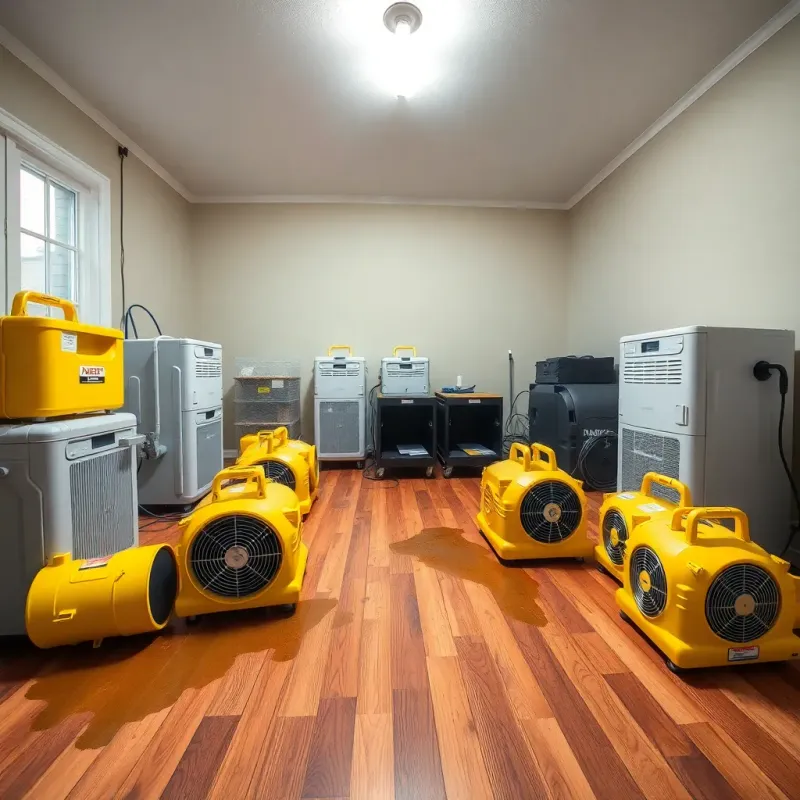
- Early aggressive drying is critical
Room-by-Room Cost Comparison
Here’s a quick comparison of water damage repair costs across different room types for similar damage levels:
| Damage Type | Kitchen | Bathroom | Bedroom | Basement | Laundry |
|---|---|---|---|---|---|
| Minor (small area) | $2,100-$4,200 | $1,300-$3,100 | $1,500-$3,500 | $1,050-$2,600 | $1,200-$3,000 |
| Moderate (medium area) | $5,200-$10,800 | $3,800-$8,400 | $3,000-$7,000 | $3,400-$7,800 | $2,500-$6,000 |
| Extensive | $12,600-$27,700 | $5,800-$12,300 | $6,000-$15,000 | $9,500-$33,000+ | $5,000-$12,000 |
Why Costs Vary by Room:
- Kitchen has expensive appliances, cabinetry, and finishes
- Bathrooms have moisture-sensitive materials
- Basements are structurally sensitive
- Bedrooms and living areas have lowest cost materials
- Laundry rooms have appliance replacement costs
DIY vs. Professional Remediation by Room
DIY Possible in These Rooms:
- Bedroom: Minor water damage cleanup; water extraction
- Living areas: Same cleanup; non-structural areas
- Bathroom: Very limited (basic cleanup only)
- Laundry: Cleanup and basic drying
Professional Required in These Rooms:
- Kitchen: Always professional (appliances, plumbing, cabinetry)
- Bathroom: Always professional (mold risk, structural sensitivity)
- Basement: Always professional (structural concerns, mold risk)
- Any room with: Water damage inside walls, structural damage, mold risk, or extensive damage
For most water damage, professional remediation is necessary to prevent secondary damage, mold, and structural issues.
Frequently Asked Questions
Q: Why does kitchen water damage cost more than bathroom water damage? A: Kitchens contain expensive appliances, cabinetry, and finishes. A kitchen dishwasher or refrigerator replacement alone costs $800-$2,000. Bathroom fixtures and flooring are typically less expensive. Additionally, kitchen plumbing is more complex, making repairs costlier.
Q: How much does water damage in a finished basement cost compared to unfinished? A: Finished basement water damage costs 50-70% more because of flooring, drywall, insulation, and other finishes. A moderate water event might cost $3,500 in an unfinished basement but $8,000+ in a finished basement.
Q: Should I repair or replace flooring after water damage? A: If the subfloor is damaged, replacement is necessary. If only surface flooring is damaged, replacement is usually better than repair. Some materials (hardwood, certain tile) can be salvaged if dried quickly. Ask your restoration contractor for their assessment.
Q: How long does water damage repair take? A: Simple repairs take 2-5 days. Moderate damage takes 1-2 weeks. Extensive damage with structural work takes 3-8 weeks. Mold remediation and structural repairs extend timelines significantly.
Q: Will my homeowners insurance cover water damage repair costs? A: It depends on the cause. Insurance typically covers sudden, accidental water damage (burst pipe, storm) but excludes gradual leaks, maintenance-related damage, and flood damage. File a claim and let your insurance determine coverage.
Q: What should I do immediately after discovering water damage? A: Stop the water source, remove standing water, open windows, run fans and dehumidifiers, document damage with photos, and call a water damage restoration company immediately. The faster you respond, the less damage will occur.
Conclusion
Water damage repair costs vary dramatically by room, from $1,000-$3,000 for minor damage in low-cost rooms to $25,000-$50,000+ for extensive damage in kitchens or basements. The key factors affecting cost are material type, system complexity, size of affected area, and whether structural damage occurs.
Your best strategy is prevention: maintain your roof, plumbing, and appliances; address leaks immediately; ensure proper drainage around your foundation; and maintain your HVAC condensation lines. When water damage does occur, professional remediation is almost always necessary to prevent secondary damage, mold, and structural deterioration.
The cost of immediate professional water removal and drying is always less than the cost of mold remediation after water damage, structural repair, and long-term damage. Act fast, document thoroughly, file your insurance claim promptly, and let professionals handle the restoration to minimize both short-term costs and long-term consequences.
Disclaimer: This article is for informational purposes only and does not constitute professional advice. Every water damage situation is unique. Always consult a licensed contractor or restoration professional for your specific situation. If you’re dealing with an emergency, contact your local restoration company immediately.